Orions Fashion Orions Fashion

2026 Top Guide to Store Expensive Sneakers Without Aging

Time:2026-09-18 Author:Liam
0%

Expensive sneakers are no longer simple sportswear. They are collectible products, personal records, and sometimes serious financial assets. Grand View Research estimated the global athletic footwear market at approximately $153 billion in 2023. That scale reflects growing demand, but it also exposes a practical problem: storage mistakes can quietly destroy value.

This guide explains how to store expensive sneakers to prevent aging, using material science, conservation habits, and real-world collector experience. Leather can dry and crack. Foam can yellow or crumble. Glue can weaken inside a dark box. Even untouched shoes may develop pressure marks when packed too tightly.

Jason Angsuvarn, founder of Jason Markk, has said, “A little care goes a long way.” That principle matters here. Clean hands, stable temperature, low light, and breathable protection often work better than expensive gadgets. The StockX Big Facts 2024 report also shows how strongly the sneaker market depends on condition, rarity, and buyer confidence.

Aim for a stable room, not a perfect laboratory. Around 18–22°C and moderate humidity generally suit many materials, although manufacturers may recommend different conditions. Avoid garages, hot attics, damp basements, and direct sunlight. Use acid-free tissue, supportive shoe forms, and boxes with gentle airflow. Never seal slightly damp sneakers in plastic.

Some advice remains imperfect. Storage needs change between leather, suede, mesh, rubber, and polyurethane foam. A method that protects one pair may harm another. Inspect every few months, photograph changes, and revise your routine when necessary. Small checks prevent expensive surprises.
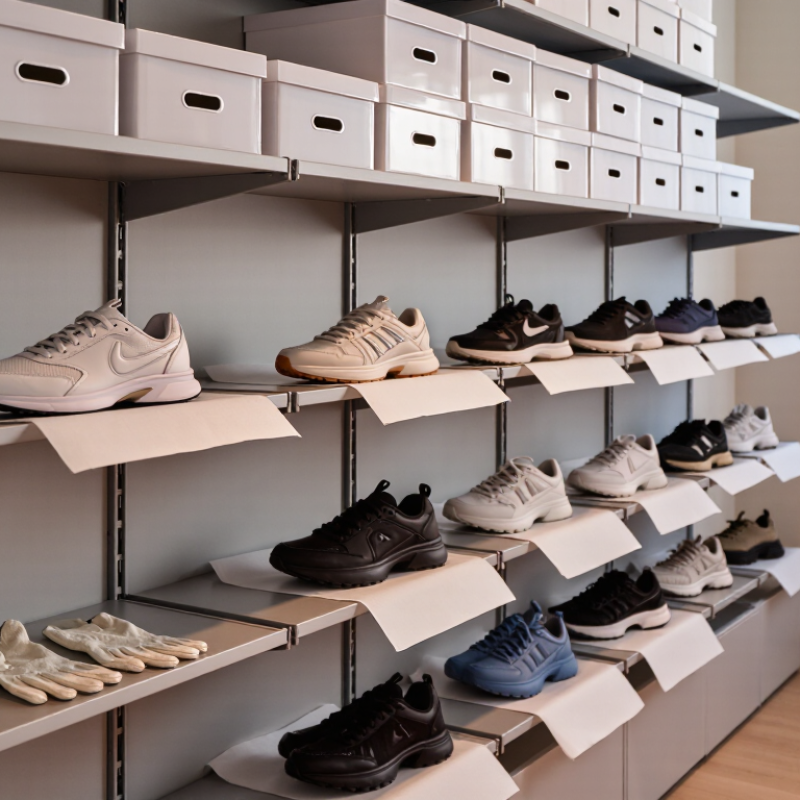
2026 Top Guide to Store Expensive Sneakers Without Aging

What Makes Expensive Sneakers Age During Storage

What Makes Expensive Sneakers Age During Storage

Expensive sneakers age because their materials keep reacting, even inside a dark box. Heat speeds oxidation in rubber, adhesives, and synthetic foams. The Library of Congress recommends stable storage near 30–50% relative humidity for mixed collections. That range is useful, though sneakers are not museum paper.

Moisture creates another problem. It can encourage mold on fabric and hydrolysis inside polyurethane components. Hydrolysis means moisture breaks chemical bonds over time. The damage may appear as crumbling foam, peeling layers, or a sour smell. ASTM D573 tests rubber after controlled heat exposure, often at 70°C, but that temperature is a comparison tool, not a home-storage prediction. Do not treat it as a safe limit.

Light also matters. Ultraviolet exposure fades dyes and weakens some polymers. ISO 4892-3 uses fluorescent UV testing to compare material durability. A closet still needs care. Keep pairs away from windows, radiators, damp floors, and tightly sealed plastic bags. I usually inspect soles, glue lines, and stuffing every few months. Small changes are easier to catch than sudden collapse.

Clean shoes before storage, but dry them completely. Acidic paper, dust, and trapped sweat can worsen discoloration. Acid-free tissue is safer than newspaper. Silica gel helps with temporary moisture, yet it cannot repair aging foam. I once trusted a dry box too much; the room temperature still changed sharply. That mistake matters. Stable conditions matter more than a single humidity reading.

How to Prepare Sneakers Before Long-Term Storage

2026 Top Guide to Store Expensive Sneakers Without Aging

Before long-term storage, inspect every part of the sneakers under bright, natural light. Remove loose dirt with a soft, dry brush. Wipe suitable surfaces with a barely damp cloth. Do not soak glued areas or delicate materials.

Remove the laces and insoles, then clean them separately. Let every piece air-dry for at least 24 hours. Longer drying may be necessary in humid weather.

Never store sneakers that feel cool, damp, or slightly musty.

Support the shape with unbleached tissue paper, but avoid overfilling the toe box. Loosen the laces and keep pressure off creases. A material-appropriate conditioner can help, but use a very small amount.

Test it on a hidden section first.

I once applied too much conditioner, and the surface stayed tacky for days. That mistake taught me to choose restraint over shine.

Avoid newspaper, plastic bags, and airtight containers, which can transfer ink or trap moisture. Use a clean, breathable storage box instead.

Keep the box in a dark, stable room near 15–25°C, with moderate humidity around 40–55%.

Add fresh silica gel packets, but keep them away from direct contact.

Label the storage date and materials used.

Check the sneakers every two or three months.

Look for yellowing, mold, odor, or hardened leather. If anything seems wrong, remove the tissue and let the sneakers breathe.

Storage is not completely passive. Small checks prevent expensive surprises.

Choosing Protective Storage Materials and Containers

2026 Top Guide to Store Expensive Sneakers Without Aging

Choosing Protective Storage Materials and Containers

Premium sneakers need stable surroundings, not just attractive boxes. I use acid-free tissue paper to support the shape without transferring dyes. Unbleached paper is safer than ordinary newspaper. Newspaper ink can stain light fabric.

Choose containers made from polypropylene or polyethylene. These plastics are generally inert and resist moisture better than cardboard. Avoid soft PVC, which may release chemicals as it ages. The container should fit closely, but never press the toe box or collar. A few centimeters of space helps air circulate.

Keep each pair away from direct sunlight. Ultraviolet exposure can fade mesh, leather, and colored rubber. Store containers in a cool room with moderate humidity. Extremely dry air may crack leather, while damp air encourages mold. A small humidity monitor gives better information than guesswork. Silica gel packets can help, but replace them when saturated. Do not let packets touch delicate materials.

I once packed a pair too tightly. The heel collapsed slightly. It was a useful mistake. Now, I use uncoated inserts and check the shoes every few months. Remove them briefly, inspect seams, and look for odor or surface changes. Do not seal damp sneakers inside any container. Let them dry naturally first, away from heaters. Clear lids seem convenient, but they can increase light exposure. An opaque container is often the safer choice.

Controlling Temperature, Humidity, Light, and Airflow

2026 Top Guide to Store Expensive Sneakers Without Aging

Controlling Temperature, Humidity, Light, and Airflow

Store valuable sneakers at 18–22°C, with relative humidity near 45–55%. These conditions fit the controlled museum ranges discussed in ASHRAE Handbook—HVAC Applications, 2023, Chapter 24. Stable conditions matter more than chasing one perfect number. Daily heat swings can stress leather, rubber, adhesives, and foam. Keep a digital hygrometer nearby. Check it weekly, not just when problems appear.

Keep sneakers away from windows, radiators, vents, and exterior walls. The Canadian Conservation Institute recommends limiting light exposure to protect sensitive materials, with 50 lux used for highly light-sensitive objects. Store sneakers in darkness whenever possible. Use low-UV lighting during inspection. Keep boxes slightly elevated and leave space around them. Air should move gently, without blowing dust directly onto the shoes. Airflow is helpful. Strong drafts are not.

Avoid airtight plastic containers unless the material is proven safe and moisture is controlled. Trapped humidity can create odors, surface tackiness, or hidden mold. Acid-free tissue can support shape, but overfilling causes creases and pressure marks. No storage plan is perfect. Even careful owners may miss a humid corner or a warming shelf. I would record temperature and humidity for thirty days before changing the setup. That small test can reveal patterns. The weak point is consistency, not expensive equipment.

2026 Top Guide to Store Expensive Sneakers Without Aging - Controlling Temperature, Humidity, Light, and Airflow

Storage Dimension Recommended Target Why It Matters Practical Storage Method Warning Sign
Temperature 15–21°C (59–70°F), stable day and night Heat accelerates oxidation, adhesive degradation, rubber aging, and color change. Use an interior room away from radiators, attics, garages, exterior walls, and direct sunlight. Avoid rapid temperature swings. Softening adhesive, sticky midsoles, yellowing, cracking, or a strong chemical odor.
Relative Humidity 40–55% RH; keep daily variation as small as possible High humidity encourages mold and corrosion; very dry conditions can increase brittleness in leather, coatings, and some adhesives. Measure with a digital hygrometer. Use a properly sized dehumidifier or humidifier when necessary, and do not place moisture packs directly against footwear. Condensation, musty odor, surface mold, warped materials, or excessively brittle leather.
Light Exposure Store in darkness; if displayed, keep illumination at or below about 50 lux and minimize UV Visible and ultraviolet light can fade textiles, dyes, leather finishes, and colored plastics. Use opaque or light-blocking storage boxes. Keep footwear away from windows and strong LED, fluorescent, or halogen lighting. Uneven fading, pale fabric, darkened rubber, or discoloration on exposed areas.
Airflow Gentle, indirect air circulation; no fan or vent aimed at the shoes Air movement reduces stagnant moisture, while strong drafts can dry materials and carry dust into porous surfaces. Leave clearance around boxes, keep vents unobstructed, and avoid airtight bags unless they are used only for clean, completely dry items. Dust buildup, localized dampness, condensation, or accelerated surface drying.
Pre-Storage Cleaning Clean, dry, and free of soil before packing Dirt, sweat, and salts can attract moisture and cause staining, odor, corrosion, or microbial growth. Brush off dry dirt, use material-appropriate cleaning methods, and allow at least 24 hours of air drying before storage. Damp insoles, persistent odor, salt lines, or residue around seams.
Support and Shape Maintain the original shape without compressing the materials Long-term compression can create creases, distort collars, and deform foam components. Use unprinted acid-free tissue or inert shoe forms. Do not overfill the toe box or stack heavy items on top. Permanent creasing, collapsed collars, or misshapen toe boxes.
Storage Container Clean, rigid, opaque, and chemically stable Poor-quality cardboard, acidic paper, and some soft plastics can transfer acids, dyes, or plasticizers. Choose acid-free archival materials or inert polyethylene/polypropylene containers. Avoid damp basements and unlined wooden cabinets. Paper becoming brown or brittle, plastic becoming sticky, or unexplained surface residue.
Shelf Placement At least 10–15 cm (4–6 in) above the floor Elevation reduces exposure to floor moisture, dust, pests, spills, and temperature changes. Use stable shelving with space between boxes and the wall. Keep away from plumbing and exterior corners. Damp lower boxes, pest activity, dust bands, or cold, wet wall surfaces.
Inspection Schedule Every 3–6 months; more often in unstable rooms Early detection prevents small problems from becoming permanent damage. Record temperature and RH, check for odor and mold, inspect soles and adhesives, and rotate the box position if needed. New stains, cracking, mold spots, loose soles, or changes in texture.
Handling Before Storage Clean hands, low pressure, and short exposure to open air Oils, dirt, and repeated bending can transfer contaminants and stress aging materials. Handle by the midsole or heel, avoid unnecessary flexing, and photograph condition changes for records. Finger marks, polished patches, new creases, or surface cracking after handling.

General preservation targets are intended for long-term storage of mixed-material footwear. Material-specific care instructions should take priority when available.

How to Inspect, Maintain, and Rotate Stored Sneakers

2026 Top Guide to Store Expensive Sneakers Without Aging

How to Inspect, Maintain, and Rotate Stored Sneakers

Before storage, inspect every sneaker under bright, indirect light. Check stitching, midsoles, soles, laces, and inner lining. Look for yellowing, pressure marks, moisture, or unusual odors. Photograph each pair, including existing flaws. This creates a reliable condition record and prevents false assumptions later. I once missed a small heel crack because I checked too quickly. That mistake became expensive.

Clean dry dust with a soft brush. For marks, use a lightly damp cloth and mild soap after testing a hidden area. Avoid soaking materials or applying heat. Let the shoes air-dry completely before storage. Stuff them with acid-free tissue to preserve shape, but do not overfill the toe box. Keep each pair in a cool, dark, well-ventilated space. Stable humidity matters more than extreme dryness. Around 40–55% relative humidity is a practical target.

Tips: Inspect every four to eight weeks. Rotate pairs occasionally. Replace damp tissue. Leave space between containers. Never store shoes beside heaters or sunny windows.

During each inspection, loosen tight laces and check for compression. Rotate stored sneakers by changing their position and allowing airflow around containers. If one pair feels damp, isolate it immediately. A breathable storage box is usually safer than sealed plastic, although dusty rooms may require an additional protective cover. I still reconsider this balance because protection can sometimes trap moisture. Record dates, condition changes, and cleaning actions for more dependable long-term care.

FAQS

What storage materials help protect expensive sneakers?

Use acid-free tissue paper to support the shape without transferring dyes. Unbleached paper is safer than ordinary newspaper. Newspaper ink may stain light fabric.

Which containers are suitable for long-term sneaker storage?

Choose containers made from polypropylene or polyethylene. They resist moisture and are generally stable. Avoid soft PVC. Leave several centimeters around the shoes for gentle airflow.

How much space should a storage container provide?

The container should fit closely without pressing the toe box or collar. Too much pressure can flatten heels and create creases. I learned this the hard way.

What temperature and humidity are suitable?

Aim for 18–22°C and approximately 45–55% relative humidity. Stable conditions matter more than one perfect reading. Use a digital hygrometer and check it weekly.

How can light damage stored sneakers?

Direct ultraviolet light can fade mesh, leather, and colored rubber. Store sneakers in darkness whenever possible. Opaque containers are often safer than clear lids.

Should silica gel packets be used?

Silica gel can reduce excess moisture inside containers. Replace packets when saturated. Do not let them touch delicate materials. They are helpful, not magical.

How should sneakers be inspected before storage?

Check stitching, midsoles, soles, laces, and inner lining under bright, indirect light. Look for yellowing, pressure marks, moisture, and unusual odors. Photograph existing flaws for comparison.

How often should stored sneakers be checked?

Inspect every four to eight weeks. Loosen tight laces, replace damp tissue, and rotate container positions. If a pair feels damp, isolate it immediately.

Should damp sneakers be sealed in a container?

No. Let them dry naturally away from heaters before storage. Sealing moisture may cause odors, tackiness, or hidden mold. A dry surface can still hide internal moisture.

Is airtight storage always better?

Not necessarily. Airtight containers may trap humidity and damage adhesives or foam. A breathable box is often safer in a dry, clean room. I still question this balance. Protection can sometimes create the problem.

Conclusion

Expensive sneakers can age during storage because of heat, humidity, dust, light exposure, poor ventilation, and materials left inside the shoes. Before long-term storage, clean and fully dry each pair, remove loose dirt, replace or support the laces, and use shape-preserving inserts to reduce creasing. Avoid storing sneakers while they are damp, since trapped moisture can lead to odors, discoloration, and material deterioration. Learning how to store expensive sneakers to prevent aging starts with selecting suitable protective materials, such as breathable dust bags, acid-free tissue, and sturdy containers that provide enough space without crushing the shoes.

A stable storage environment is equally important. Keep sneakers in a cool, dry, dark location away from direct sunlight, heating equipment, and sudden temperature changes. Allow limited airflow while protecting the shoes from dust and pests. Inspect stored pairs regularly for moisture, surface changes, odors, or deformation. Clean them gently when necessary, replace worn protective materials, and rotate the shoes occasionally so that no pair remains neglected for too long. With consistent preparation, environmental control, and maintenance, expensive sneakers can retain their shape, appearance, and condition for many years.

Liam

Liam

Liam is a dedicated marketing professional with a profound expertise in the industry, where he excels at highlighting the unique advantages of our core products. With a keen understanding of market trends and consumer needs, Liam frequently updates our company’s professional blog, providing......