Orions Fashion Orions Fashion

How to Wear Badminton Shoes Outdoors Safely?

Time:2026-10-24 Author:Sophia
0%

Badminton shoes are built for indoor courts, not every surface outside. Their flat, grippy soles help players stop quickly on polished wood or synthetic flooring. However, asphalt, concrete, gravel, and damp pavement create different risks. So, can you wear badminton shoes outdoors without damaging them or losing control?

The answer depends on distance, weather, and surface condition. A short walk across dry pavement may be harmless. A long route over rough concrete can wear the rubber quickly. Small stones may lodge in the tread. Wet leaves can turn the sole into a slippery patch. I once underestimated this after walking outside in court shoes, and the fine grit was difficult to remove later.

Safe use starts with a careful inspection. Check the sole for dust, cuts, peeling rubber, or reduced grip. Avoid rain, mud, oily ground, and uneven trails. Walk slowly instead of making sudden turns. Keep the shoes for clean indoor play whenever possible. This preserves their traction and helps prevent outdoor debris from reaching the court.

Cleaning also matters. Tap the soles together gently, then use a soft brush and mild soapy water. Let the shoes dry naturally away from heaters and direct sunlight. Never assume a familiar shoe behaves safely on unfamiliar ground. Manufacturers and experienced coaches usually recommend indoor-only use because court shoes are not hiking footwear. That advice is sensible, though not absolute for every brief outing.

Your body provides useful feedback. Stop if the sole feels slippery, unstable, or unusually stiff. The safest choice may be another pair. Good footwear decisions are practical, not dramatic.
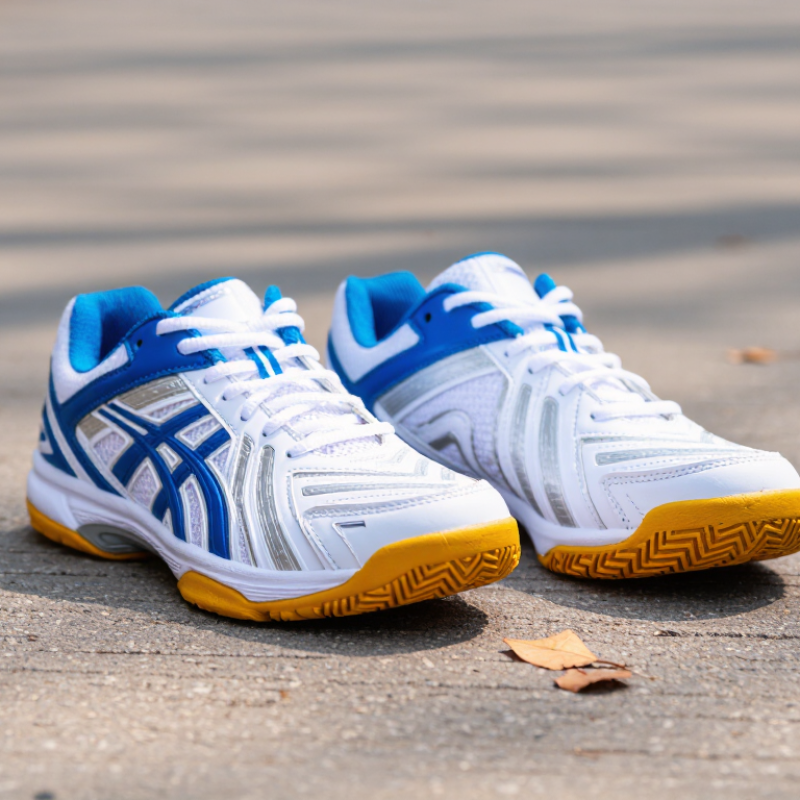
How to Wear Badminton Shoes Outdoors Safely?

Choosing the Right Badminton Shoes for Outdoor Surfaces

How to Wear Badminton Shoes Outdoors Safely?

Choosing the right badminton shoes for outdoor surfaces starts with the sole. Indoor court shoes usually have soft, non-marking rubber designed for smooth wood or synthetic floors. Rough concrete can wear that rubber quickly. I learned this after practicing on a public court and noticing flattened tread within weeks. It was an expensive reminder.

For outdoor use, choose shoes with a durable rubber outsole and deeper traction patterns. A slightly firmer sole can handle asphalt or textured concrete better. Check the midsole too. Good cushioning reduces shock when your feet meet hard ground. The upper should hold your heel securely without squeezing your toes. Breathable mesh helps during hot sessions, but it may not resist dust or sharp surface debris well. Fit matters more outdoors because uneven ground can expose weak heel support.

Tips:

Match the outsole to the surface. Use smoother soles on clean outdoor tiles and stronger tread on rough concrete. Avoid wet courts, loose gravel, and cracked pavement. They can reduce traction and damage the shoe. Inspect the sole after each session. Replace the shoes when the tread feels smooth or the cushioning becomes uneven. I sometimes choose comfort over durability, and that decision is not always wise. Test your shoes with slow side steps before playing fully. A short trial can reveal slipping, rubbing, or poor stability early.

Inspecting Outdoor Courts Before Wearing Badminton Shoes

How to Wear Badminton Shoes Outdoors Safely?

Before wearing badminton shoes outdoors, inspect the court carefully. Badminton soles are designed for clean, smooth indoor floors, not rough pavement. Walk slowly across the playing area. Look for loose stones, sand, broken glass, wet patches, and raised cracks. Even a small pebble can reduce grip during a sudden side step.

Check the surface under changing light. Early morning moisture may hide near painted lines or shaded walls. Press your shoe lightly against the ground to test firmness, but do not rely on that test alone. A sloping court can also shift your balance, especially during lunges. Avoid areas with oil marks, peeling paint, or deep gaps. They can catch the sole or twist your ankle.

I once used indoor court shoes on a dusty outdoor surface and noticed slipping within minutes. The soles looked clean, but fine grit had filled the tread. That mistake changed my routine. I now wipe the soles, remove visible debris, and keep my steps controlled until the surface feels predictable. Still, inspection is not perfect. Weather can change quickly, and a dry court may become slippery after light rain. If the ground feels unstable, choose ordinary outdoor trainers instead. Badminton shoes also wear faster on abrasive concrete, so check the sole edges and cushioning after every outdoor session.

Preparing Badminton Shoes for Safe Outdoor Use

Preparing badminton shoes for outdoor use starts with a realistic check. Indoor badminton shoes are designed for clean, flat courts, not rough asphalt. Their gum-rubber soles may lose grip when coated with dust, leaves, or moisture. I inspect the outsole before every session. Deep cuts, smooth patches, or loose edges mean the shoes should stay indoors. I also clean the sole with a soft brush and let the shoes dry naturally. Direct heat can weaken adhesives.

The risk is practical, not dramatic. The CDC reports that falls lead to about eight million emergency-department visits in the United States each year. Badminton involves sudden stops, so a contaminated sole can matter quickly. I choose a dry, dust-free outdoor court and avoid painted lines, wet concrete, and loose gravel. The BWF Laws of Badminton emphasize a safe, suitable playing area, although they do not approve ordinary outdoor surfaces. That distinction is easy to miss. Outdoor play is a compromise.

Tips: Walk across the surface before playing. Test one gentle lunge. Stop if the shoe slips. Keep a small towel and soft brush in your bag. Tighten laces evenly, especially around the heel. Rotate outdoor use with a separate pair when possible. Afterward, remove grit from the tread and check the midsole for compression. I once trusted a clean-looking court and still slid slightly near a dusty edge. My inspection was too casual. That mistake changed my routine.

How to Wear Badminton Shoes Outdoors Safely? - Preparing Badminton Shoes for Safe Outdoor Use
Safety Dimension What to Check Potential Outdoor Risk Recommended Safe Action When to Do It
Playing Surface Confirm that the area is clean, dry, level, and free from loose stones, sand, leaves, oil, and standing water. Reduced traction, unexpected slipping, or damage to the sole. Use the shoes only on a suitable dry, smooth surface. Move to a safer area if debris or moisture cannot be removed. Before every outdoor session
Sole Condition Inspect the outsole for worn tread, cracks, separation, embedded grit, or unusually smooth areas. Worn traction can make quick stops and changes of direction unsafe. Clean the outsole and replace the shoes when the tread is significantly worn, cracked, or detached. Before use and after cleaning
Outsole Cleaning Remove dust and small particles from the tread pattern. Dirt can reduce contact between the outsole and the playing surface. Brush off loose dirt with a soft brush or wipe the sole with a slightly damp cloth. Allow it to dry naturally. Before and after outdoor use
Moisture Control Check whether the court, pavement, grass, or shoes are wet. Wet surfaces and damp footwear increase the likelihood of slipping. Do not play on wet or slippery ground. Dry the shoes at room temperature and keep them away from direct heat. Before play and whenever conditions change
Fit and Lacing Make sure the heel is secure, the midfoot is supported, and the toes can move without touching the front. Loose or incorrectly fitted shoes may cause blisters, instability, or toe impact. Tie the laces firmly without restricting circulation. Recheck the fit after warming up. Before play and during breaks
Ankle and Foot Support Check for unusual movement, damaged panels, loose stitching, or a collapsed midsole. Reduced support may increase strain during lateral movement and sudden stops. Stop using shoes that no longer hold the foot securely or show structural damage. Before every session
Outdoor Exposure Consider heat, direct sunlight, rough pavement, dust, and uneven transitions between surfaces. Excessive heat may affect comfort, while rough or uneven ground can accelerate wear and increase trip hazards. Limit outdoor use to short sessions on appropriate surfaces and avoid running across rough ground in badminton shoes. During route and session planning
Warm-Up Prepare the feet, ankles, knees, and hips before high-speed movement. Sudden explosive movement may increase muscle and joint strain. Complete several minutes of light movement, dynamic leg exercises, and gradual side steps before full-intensity play. Before each session
Movement Intensity Notice whether the surface feels unstable or the shoes slide during stops. Repeated slipping can lead to falls, ankle twists, or knee strain. Reduce speed immediately and stop playing if traction remains unreliable. Throughout the session
Cross-Surface Walking Identify transitions between indoor courts, concrete, asphalt, grass, and other outdoor areas. Different surfaces may contain debris and can wear court-focused soles quickly. Avoid unnecessary walking on rough outdoor ground and use ordinary walking footwear when traveling to and from the court. When entering or leaving the playing area
Post-Use Inspection Look for trapped grit, wet patches, sole separation, odor, and changes in cushioning. Unnoticed damage or moisture can worsen during storage and affect the next session. Remove debris, wipe the shoes, loosen the laces, and inspect them before storage. Immediately after use
Drying and Storage Check that the shoes are completely dry before placing them in a bag or closed container. Trapped moisture may contribute to odor, material deterioration, and microbial growth. Air-dry at room temperature in a ventilated place. Do not use a radiator, hair dryer, oven, or other intense heat source. After every wet or sweaty session
Replacement Decision Assess tread wear, cushioning, fit, structural damage, and whether the shoes remain stable during movement. Continuing to use degraded footwear may reduce protection and control. Replace the shoes when traction, cushioning, fit, or structural integrity has clearly declined. Regularly and whenever performance changes

Adapting Footwork to Uneven or Abrasive Ground

How to Wear Badminton Shoes Outdoors Safely?

Badminton shoes are designed for flat, predictable courts. Outdoors, uneven ground changes every landing. The World Health Organization reports about 684,000 fatal falls worldwide each year, making surface awareness essential, even during casual play. Choose dry pavement, smooth concrete, or a maintained hard court. Avoid loose gravel, wet leaves, mud, and broken asphalt.

Not on loose gravel.

Adapt your footwork before increasing speed. Shorten your steps on cracked ground. Keep your knees slightly bent and your center of gravity low. Replace sharp lunges with controlled, diagonal steps. On rough surfaces, lift your feet rather than dragging them. Check each landing area before pushing off. Abrasive ground can wear the outsole quickly and reduce traction.

A 2023 report from the U.S. Consumer Product Safety Commission’s NEISS system continues to identify falls as a major source of emergency-treated sports and recreation injuries. The surface deserves attention.

Inspect the route for five minutes before playing. Feel for raised edges, sand, and hidden moisture. Tie the laces firmly, but leave enough room for natural toe movement. I once focused on reaching the shuttle and ignored a small pavement ridge. That mistake caused a twisted ankle. Outdoor play also exposes shoes to dust and heat, so clean them afterward and inspect the sole for smooth patches. If traction feels uncertain, slow down. Sometimes, stopping is the safer footwork.

Cleaning and Maintaining Shoes After Outdoor Wear

Badminton shoes can survive occasional outdoor use, but their soles collect grit quickly. Outdoor courts expose them to dust, moisture, and rough concrete. The Outdoor Industry Association’s 2024 Outdoor Participation Trends Report recorded 175.8 million American participants in 2023. More outdoor activity means more footwear facing abrasive conditions. Clean the shoes after every outdoor session.

Remove the laces and insoles first. Tap the soles together outdoors, then brush away dry grit with a soft brush. Use lukewarm water, mild soap, and a damp cloth on the upper. Avoid soaking the cushioning. Water trapped inside can create odor and weaken adhesives. Let each part dry separately at room temperature. Never place the shoes on a radiator or use intense heat. I once dried court shoes too quickly; the upper felt stiff afterward. That mistake was avoidable.

Tips: Check the outsole grooves with your fingers. Remove tiny stones before they scratch an indoor court. Wipe muddy areas before they harden. Wash laces separately and replace damaged insoles. The American Academy of Podiatric Sports Medicine advises rotating athletic footwear, allowing materials to recover between uses. Give the shoes a full day when possible. Inspect the heel and outsole before returning indoors. If the tread feels smooth, traction may already be unreliable. Cleaning helps, but it cannot restore worn rubber.

How to Wear Badminton Shoes Outdoors Safely?

Cleaning and Maintaining Shoes After Outdoor Wear

To reduce dirt buildup and outsole wear, remove loose debris and wipe the shoes after every outdoor session. Allow them to air-dry completely before the next use, and perform a deeper clean about every five sessions or whenever the shoes become visibly dirty.

The intervals shown are practical care targets rather than manufacturer specifications. Avoid bleach, washing machines, radiators, hair dryers, and prolonged direct sunlight, as excessive heat and harsh chemicals can damage shoe materials and adhesives.

FAQS

What should I inspect before wearing badminton shoes outdoors?

Check for stones, sand, glass, wet patches, raised cracks, and deep gaps. Walk slowly across the entire playing area. Even a small pebble can reduce grip.

Which outdoor surfaces are more suitable?

Choose dry pavement, smooth concrete, or a maintained hard court. Avoid loose gravel, mud, wet leaves, and broken asphalt. Not on loose gravel.

How can I detect hidden moisture?

Inspect the court under different lighting. Look near painted lines, shaded walls, and surface edges. Morning moisture may be difficult to see.

How should I change my footwork outdoors?

Shorten your steps on uneven ground. Keep your knees slightly bent and your body low. Use controlled diagonal steps instead of sharp lunges.

What should I do on rough or abrasive ground?

Lift your feet instead of dragging them. Check each landing area before pushing off. Rough concrete can wear the outsole quickly.

How should I prepare my shoes before playing?

Remove visible debris from the soles. Tie the laces firmly, but allow natural toe movement. Wipe away fine grit from the tread.

What warning signs mean I should stop playing?

Stop when traction feels uncertain, the ground feels unstable, or rain begins. Slippery surfaces can change quickly. Stop if unsure.

How can I care for the shoes after outdoor use?

Clean dust from the soles after every session. Check for smooth patches, damaged edges, and reduced cushioning. Inspect again.

Are badminton shoes suitable for every outdoor court?

No. They are made for clean, flat indoor floors. Ordinary outdoor trainers may be safer on rough or unpredictable surfaces.

What mistake should outdoor players reflect on?

I once watched the shuttle and ignored a small pavement ridge. My ankle twisted during the next step. Inspection helps, but it is never perfect.

Conclusion

Can you wear badminton shoes outdoors? Yes, but only with careful preparation and realistic expectations. Choose shoes with durable rubber outsoles and enough cushioning for the surface, while remembering that badminton shoes are mainly designed for smooth indoor courts. Before playing outside, inspect the area for loose stones, cracks, wet spots, and other hazards that could cause slipping or damage the soles. Clean the outsole and check the laces, seams, and cushioning so the shoes are secure and in good condition.

Outdoor ground may be uneven or rough, so shorten your steps, reduce sudden pivots, and avoid aggressive sliding or rapid direction changes. These adjustments can improve balance and help protect your ankles and knees. After use, remove dirt and debris with a soft brush, wipe the shoes with a damp cloth, and let them air-dry naturally away from direct heat. Regular inspection and cleaning will extend their useful life and keep them safer for occasional outdoor practice.

Sophia

Sophia

Sophia is a dedicated marketing professional with an exceptional depth of knowledge about her company's products and services. With a keen understanding of market trends and customer needs, she crafts insightful blog posts that not only inform but also engage readers, enriching the company’s online......