Choosing football studs for wet, soft ground is more complicated than picking the longest option available. Mud changes traction, balance, and injury risk within the same match. A surface may look saturated near the touchline but remain firm around the centre circle. Small differences matter.
This guide explains how to choose the right cleat length for muddy football pitches using practical observations and trusted guidance from coaches, groundskeepers, and boot manufacturers. Longer metal or moulded studs can penetrate deep mud and improve grip. However, excessive length may feel unstable when the ground underneath is hard. Shorter studs often suit shallow mud, compacted areas, or pitches with mixed conditions. They may also reduce pressure beneath the foot.
There is no universal stud length. That is the uncomfortable part. Pitch depth, player weight, playing position, weather, and local competition rules all influence the decision. Check the surface with your boot before kickoff. If your foot sinks heavily, deeper penetration may help. If the ground feels firm beneath a thin muddy layer, excessive studs could create awkward movement.
Professional advice should guide the final choice. Check the manufacturer’s stud recommendations and confirm competition regulations before playing. A groundskeeper’s assessment is especially useful because appearance can mislead. Test the boots with controlled turns, short sprints, and stops. Do not ignore discomfort.
The best choice is not always the longest cleat. It is the option that provides dependable traction without sacrificing balance, comfort, or safe movement across changing ground.
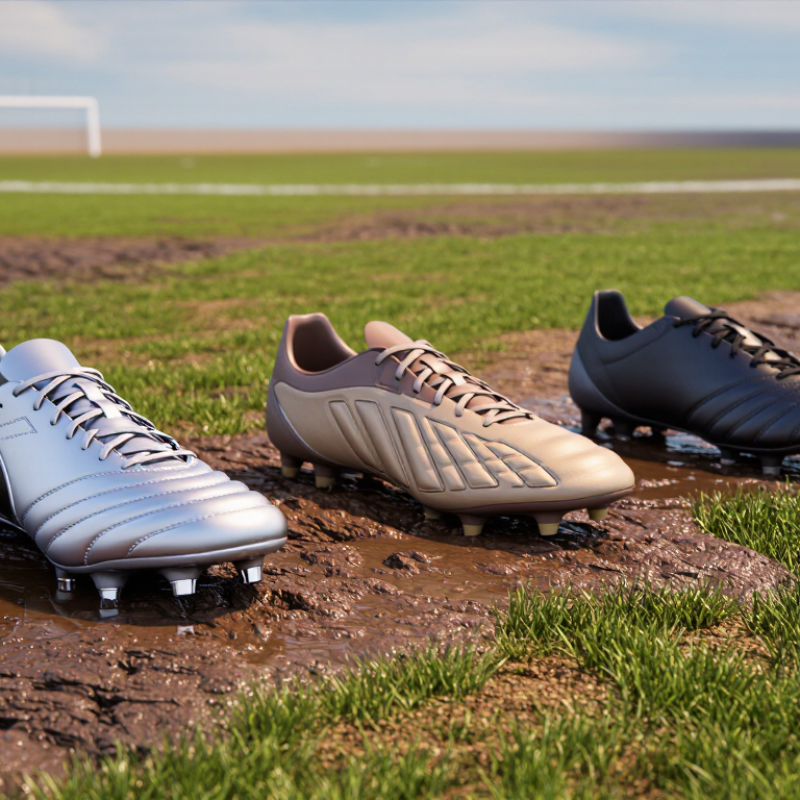
How Mud Changes Traction Requirements on a Football Pitch
What Is the Right Cleat Length for Muddy Football Pitches?
How Mud Changes Traction Requirements on a Football Pitch
Mud changes how your foot meets the ground. Wet soil loses firmness, so short cleats may slide during acceleration or sharp turns. On natural grass, removable studs around 13–19 millimetres can provide better penetration. The correct length depends on the mud’s depth, firmness, and grass coverage.
Watch the surface before choosing your boots. If your heel sinks several millimetres, longer studs may improve grip. They can reach firmer soil beneath the soft top layer. However, very long cleats may catch aggressively when your foot twists. That pressure can increase stress around the knee and ankle. More length is not always better.
A practical test helps. Walk, stop, and push sideways near the touchline. Your foot should hold without feeling trapped. I have found that muddy areas near goal mouths often need more traction than midfield grass. Yet conditions can change within one match. Rain may soften the pitch quickly. A 16-millimetre setup might work early, then feel insufficient later. That experience is easy to overlook. Coaches should inspect the field, while players should notice slipping, stud pressure, and unstable footing. Clean the soles between warm-up drills, because packed mud can reduce effective stud length. Variable-ground cleats may be useful, but they still require careful testing.
Cleat Length Options for Different Levels of Mud
What Is the Right Cleat Length for Muddy Football Pitches?
On lightly muddy pitches, 8–12 mm cleats usually offer enough grip. The surface may look wet, but the studs should not sink deeply. Shorter cleats help players turn quickly and reduce pressure under the foot. Firm, compact soil still needs stable contact. Test the pitch near the touchline before kickoff.
Moderate mud often suits 12–15 mm cleats. They can reach firmer ground beneath the slippery top layer. The extra length may improve acceleration, especially during sudden stops. However, overly long studs can catch during rotation and increase ankle strain. I once chose aggressive cleats for a soft-looking field, but the hard base made my feet feel trapped. That mistake changed how I judge surfaces.
Deep, loose mud may require 15–18 mm screw-in cleats, provided local competition rules allow them. Longer studs should penetrate without touching the firm layer below. If the ground is waterlogged, no length guarantees reliable traction. Mud can fill the sole and make every step heavier. Cleat measurements also vary between designs, so compare the actual stud height, not only the listed category. Walk, jog, and cut gently before play. A small slip during testing is useful information. Consult the pitch manager or an experienced coach when conditions change quickly.
What Is the Right Cleat Length for Muddy Football Pitches?
Typical stud-length ranges for different levels of mud
As a pitch becomes softer and muddier, longer studs generally provide better penetration and grip.
A practical starting point is approximately 12–15 mm for light mud, 15–18 mm for moderate mud, and
18–21 mm for heavy mud. Actual requirements depend on the player’s weight, playing position, surface
conditions, and competition regulations. Avoid using excessively long studs if they cause discomfort or
excessive pressure underfoot.
How Player Position and Playing Style Affect Cleat Choice
What Is the Right Cleat Length for Muddy Football Pitches?
How Player Position and Playing Style Affect Cleat Choice
On a muddy football pitch, cleat length should match both the ground and your movement. Longer studs can penetrate soft soil and improve traction, but they may feel awkward on firmer patches. For many wet, natural pitches, players often consider studs around 12 to 18 millimeters. The correct choice depends on moisture, soil depth, and surface consistency.
Defenders usually benefit from dependable grip during tackles, recovery runs, and sudden stops. A slightly longer, well-spaced stud can help when the back line turns on slippery ground. However, defenders who rely on quick footwork may prefer moderate lengths. Extra traction can sometimes slow rotation.
Wingers and attacking midfielders change direction repeatedly. They may favor shorter or mixed-length studs for smoother movement. Players who sprint directly toward goal can accept longer studs for stronger push-off. Strikers should still consider how often they pivot inside the penalty area. Goalkeepers need stability during dives, lateral shuffles, and explosive jumps, but excessive length can hinder quick pivots.
I once chose the longest available studs for heavy rain and felt secure during straight runs. My first turn was clumsy. That mistake reminded me that grip is not the same as mobility. Walk across the pitch before playing, checking for deep mud and hidden firm areas. Test a few controlled cuts if possible. Studs should hold without pinching the foot or forcing unnatural steps. Also check competition rules, since permitted stud types and lengths may vary.
Safety Checks Before and During Play on Muddy Ground
What Is the Right Cleat Length for Muddy Football Pitches?
On muddy football pitches, safety starts before anyone touches the ball.
Walk across the surface and check for deep puddles, hidden holes, exposed stones, and loose turf. A pitch may look playable from the touchline but feel unstable near the penalty area. I have found that short walks across several zones reveal problems quickly. Tell the referee or grounds staff about dangerous patches before warm-up.
Cleat length should match the mud, not personal preference.
Medium-length, moulded studs often provide a sensible balance on soft ground. Longer studs may improve grip in deep mud, but they can catch suddenly and stress the ankle or knee.
Short studs may slide when the surface becomes slick. Avoid changing footwear without testing it carefully. Walk, jog, and turn gradually. Stop if the sole collects heavy mud or feels unstable.
Check laces, sole plates, and stud edges before play.
Damaged studs can create uneven pressure under the foot. During the match, watch for changing conditions after rain or repeated tackles. Slow down before sharp turns, especially near worn goalmouths. Keep your steps shorter.
Do not challenge at full speed when balance has already disappeared. A qualified coach or medical professional should assess persistent pain, swelling, or instability. My own mistake was trusting familiar footwear on unfamiliar mud; the pitch, not habit, should decide the final choice.
Conclusion
Choosing the right cleat length for muddy football pitches depends on how much the surface has softened and how much traction is needed. Light mud may require short to medium studs that offer grip without restricting movement, while deep or slippery mud usually calls for longer studs that can reach firmer ground beneath the surface. However, excessively long cleats may increase pressure on the feet and make turning uncomfortable. When deciding how to choose the right cleat length for muddy football pitches, players should also consider stud shape and soleplate design. Conical studs can support smoother rotation, while bladed or mixed patterns may provide stronger forward and sideways traction.
Position and playing style also matter. Attackers and midfielders may prefer balanced traction for quick movement, while defenders may benefit from added stability during challenges. Before playing, check that the studs are secure, clean, and suitable for the pitch. During the match, monitor slipping, discomfort, or excessive mud buildup, and adjust your approach if the surface becomes unsafe.
 Orions Fashion
