Orions Fashion Orions Fashion

How to Soften Stiff Heel Counters on Board Shoes?

Time:2026-10-31 Author:Amelia
0%

Stiff heel counters can rub the back of your ankle and make new board shoes uncomfortable. On board shoes, the heel structure may include layered fiberboard, stiffeners, foam, or plastic. Its materials affect how much it can safely flex. That matters. A counter that feels firm may simply need gentle breaking in, while one that is cracked or sharply deformed may need repair or replacement. The goal is comfort, not forcing the heel to collapse.

This guide explains how to soften stiff heel counters on board shoes with gradual, low-risk steps. You’ll learn how careful wear, gentle hand pressure, and a shoe stretcher may help, plus when to stop. Try any method on one shoe first, and check the lining and seams for damage. Avoid soaking the shoe or applying intense heat; either can weaken adhesives, warp materials, or change the fit. Small adjustments are safer. If the counter contains a rigid insert, softening may be limited. That can be frustrating, and it is easy to assume more pressure will solve it. It may not. Persistent pain, broken materials, or a heel that no longer holds its shape calls for a cobbler’s assessment. The right approach depends on the shoe’s construction, so patience—and a little caution—usually beats a quick fix.
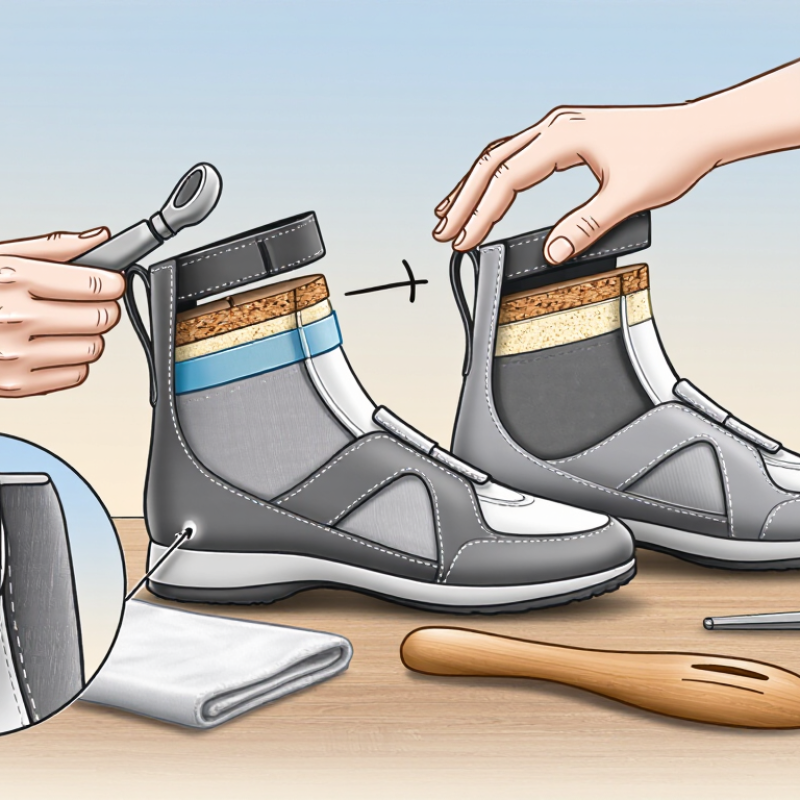
How to Soften Stiff Heel Counters on Board Shoes?

Identify the Heel Counter Material and Construction

Before softening a stiff heel counter, identify what is inside the heel. In board shoes, the counter may be thermoplastic sheet, fiberboard, leather, or a layered textile composite. It sits between the outer upper and lining, so inspect the heel seam and lining rather than cutting the shoe open. A smooth, molded feel can suggest plastic; a fibrous edge may indicate board, but these clues are not conclusive. Construction matters too: a firm cup-shaped insert behaves differently from a thin, flexible reinforcement. The World Footwear Yearbook 2024 estimates global footwear production at 22.4 billion pairs in 2023, a reminder that shoe materials and constructions vary widely. That figure does not identify any shoe’s counter, though. Check the maker’s care information when available.

Tips: Press the heel gently with your thumb and compare both shoes. Note whether stiffness is localized or spread across the heel. Avoid heat or soaking until the material is known; adhesives and synthetic layers can deform. If the counter is hidden, a cobbler can inspect it without guesswork. Honestly, touch alone can mislead.

For an initial check, remove the insole if it comes out easily and look for visible edges or labels inside the heel. Do not pull at the lining. A rigid counter may soften slightly with careful wear, but some molded parts are designed to retain their shape. If the heel pinches, rubs, or feels uneven, stop wearing the shoes and have the construction assessed.

Prepare the Shoes and Choose a Safe Softening Method

Before working on stiff heel counters, inspect the shoes in bright light. Wipe away loose dirt with a dry cloth, and let damp shoes dry completely. Loosen the laces and remove removable insoles to check the lining and seams. Look for cracks, separation, or a counter pressing through the fabric. Stop if you find damage. Softening cannot repair a broken structure.

Choose gentle pressure over strong heat. With clean hands, slowly massage the heel area from the outside, then flex it slightly several times. Wear the shoes indoors with medium-weight socks for short periods, checking for rubbing after each try. Small changes are safer. Avoid soaking the shoes, using a hair dryer, or pressing hard with a tool; heat and force can weaken adhesives or distort the counter. Results may take a few days, and some counters remain firm by design. I once assumed more pressure would speed things up; it only made the fit feel less predictable. If discomfort persists or the material creases sharply, stop and ask a shoe-repair professional to assess the shoes.

Apply Gentle Heat and Flex the Heel Counter Gradually

A stiff heel counter can rub the back of your ankle, but forcing it may crack the counter or loosen the lining. Check the shoe’s care label first; leather, synthetic materials, and adhesives react differently to heat. APICCAPS’s World Footwear Yearbook 2024 estimated that 23.9 billion pairs were produced worldwide in 2023. That scale reflects many constructions, not one safe softening temperature. Go slowly.

Use a hair dryer on its lowest setting, held about 20 centimeters from the heel. Warm one small area for 10–15 seconds, then press the counter inward with your thumb or a cloth-wrapped spoon. The material should feel warm, never hot. Flex it gently, release, and repeat only if it remains stiff. Stop if the surface turns shiny, smells unusual, or separates from the lining. No dramatic bending.

Let the shoe cool on a shoe tree or with a rolled towel inside, then try it on with the socks you normally wear. A brief walk indoors can reveal pressure points; persistent pain means the fit may be wrong, not merely firm. Heat can also weaken bonded layers, so this method is not suitable for every pair. I would rather leave a counter slightly stiff than soften it until its shape collapses.

Wear the Shoes in Short Sessions to Ease Stiffness

When a board shoe’s heel counter feels rigid, start with short, low-pressure wear sessions rather than forcing it soft. Put them on at home for 15 to 20 minutes, preferably with the socks you plan to wear outside. Walk on clean, level floors and notice whether the top edge rubs or the heel lifts. Keep it brief. Take the shoes off before your skin becomes sore; irritation can turn a small fit issue into a blister.

Repeat the session once or twice a day, adding about 10 minutes only when the heel feels comfortable afterward. The counter may ease gradually as the lining and surrounding materials flex, but the change can be modest. No need to push. If rubbing starts, check that your heel is seated fully and try a slightly thicker sock, provided the shoe still fits without pressure across your toes. Persistent pinching, numbness, or sharp pain is a reason to stop and reassess the fit. Break-in is not a reliable fix for shoes that are too narrow or the wrong shape. Avoid heat or force as shortcuts; they can distort materials, and results are unpredictable. Progress can feel slow, but comfort matters more than a fixed timetable.

How to Soften Stiff Heel Counters on Board Shoes? - Wear the Shoes in Short Sessions to Ease Stiffness

Stage Suggested Wear Time What to Do What to Check Next Step
First session 15–30 minutes Wear the shoes indoors with your usual socks and walk on a clean, level surface. Notice heel rubbing, pressure, or pinching. Take the shoes off if discomfort develops; do not try to push through pain.
Early repeat sessions 30–60 minutes Repeat short indoor walks on separate occasions if the first session felt comfortable. Check for redness or a hot spot on the heel after removing the shoes. Continue at a similar duration if your skin feels comfortable.
Gradual increase About 1–2 hours Increase wear time gradually, rather than moving straight to a full day. Make sure the heel stays secure without repeated rubbing or slipping. Return to shorter sessions if irritation appears.
Longer wear Several hours, as comfort allows Wear the shoes for ordinary daily activities only after shorter sessions feel comfortable. Check comfort during wear and again after taking the shoes off. Stop wearing them if pain, blistering, or persistent irritation occurs.

Comfort note: Break-in time varies by shoe construction and fit. Do not bend, cut, or heat the heel counter to soften it; these methods may damage the shoe. If the heel continues to hurt or the fit feels wrong, consult a shoe-fitting professional.

Check the Fit and Stop if the Heel Counter Loses Support

A stiff heel counter can feel harsh, but it should still hold your heel steady. Wear the board shoes indoors for 10 to 15 minutes, then check the fit while standing and walking. Your heel should not lift repeatedly, and the counter should not press painfully against your Achilles tendon. Try the shoes with your usual socks; a fit that works barefoot may fail with thicker socks. A 2018 study in the Journal of Foot and Ankle Research examined 3,378 older adults and found that 63% wore shoes that were too narrow and 72% wore shoes that were too short. Those figures concern older adults, not board-shoe users specifically, but they show why fit deserves attention.

If the counter feels rigid, use brief indoor wear rather than forceful bending or intense heat. Check again after each short session. Stop if the heel starts slipping, the counter folds inward, or the shoe no longer stabilizes your foot. That loss of support matters more than a softer feel. Also stop if you notice rubbing, numbness, or pain that remains after removing the shoes. A quick squeeze test can be misleading; the counter may feel soft in your hand yet fail during a step. If discomfort persists, the shoe’s shape may not suit your heel. A cobbler can assess the construction, but do not ask them to soften it until it collapses.

FAQS

Why can a stiff heel counter hurt?

It may rub the back of your ankle or press painfully against your Achilles tendon. Try your usual socks. Fit can change.

What should I check before using heat?

Read the shoe’s care label. Leather, synthetic materials, and adhesives can react differently to heat.

How should I warm a stiff heel counter?

Use a hair dryer on its lowest setting, about 20 centimeters away. Warm one small area for 10–15 seconds. It should feel warm, never hot.

How can I flex the counter without damaging it?

Press gently inward with your thumb or a cloth-wrapped spoon. Release, then repeat only if it remains stiff. No dramatic bending.

How should I cool the shoe afterward?

Let it cool on a shoe tree or with a rolled towel inside. Then try it on with your usual socks.

How can I check whether the fit is comfortable?

Wear the shoes indoors for 10–15 minutes while standing and walking. Your heel should not repeatedly lift. Watch for rubbing or pressure.

When should I stop trying to soften the counter?

Stop if the surface turns shiny, smells unusual, or separates from the lining. Also stop if the counter folds inward or your heel slips. Support matters more than softness.

Is gentle heat suitable for every pair?

No. Heat can weaken bonded layers, and different materials respond differently. I might be overly cautious, but a slightly stiff counter is better than a collapsed one.

What if discomfort continues?

Remove the shoes if you notice numbness or lasting pain. The shoe’s shape may not suit your heel. A quick squeeze can mislead.

What does footwear fit research suggest?

A 2018 study of 3,378 older adults found many wore shoes that were too narrow or short. Those results do not specifically describe board shoes.

Conclusion

Learning how to soften stiff heel counters on board shoes starts with identifying their material and construction. Leather, synthetic coverings, and internal stiffeners can react differently to heat and pressure, so check the care guidance and avoid methods that could damage the shoe. Clean and dry the shoes, loosen the laces, and choose a gentle approach, such as carefully warming the heel area with your hands or using mild, indirect warmth.

Once the heel counter feels slightly more flexible, massage and flex it gradually without crushing or sharply bending it. Wear the shoes for brief sessions with comfortable socks, allowing the heel to adjust over time. Check the fit after each session and stop if you feel pain, notice damage, or find that the heel no longer holds its shape and supports your foot.

Amelia

Amelia

Amelia is a seasoned marketing professional with a wealth of expertise in our company’s core offerings. With an unwavering passion for driving growth and innovation, she plays a pivotal role in shaping our marketing strategies and enhancing brand visibility. A key aspect of her responsibilities......