Buying shoes online in China can save time, but a size label alone cannot guarantee a comfortable fit. A size 38 may feel different across brands, shoe shapes, and sizing systems. That is why knowing how to measure foot size accurately for online shoe shopping matters before you compare product charts. Fit is personal.
The financial stakes are real. The National Retail Federation and Appriss Retail’s 2024 Retail Returns Landscape report estimated that 16.9% of U.S. retail sales would be returned that year, worth about $890 billion. This figure covers retail overall, not shoes specifically, so it should not be treated as a footwear return rate. Still, it shows why better purchase decisions matter to retailers and shoppers alike.
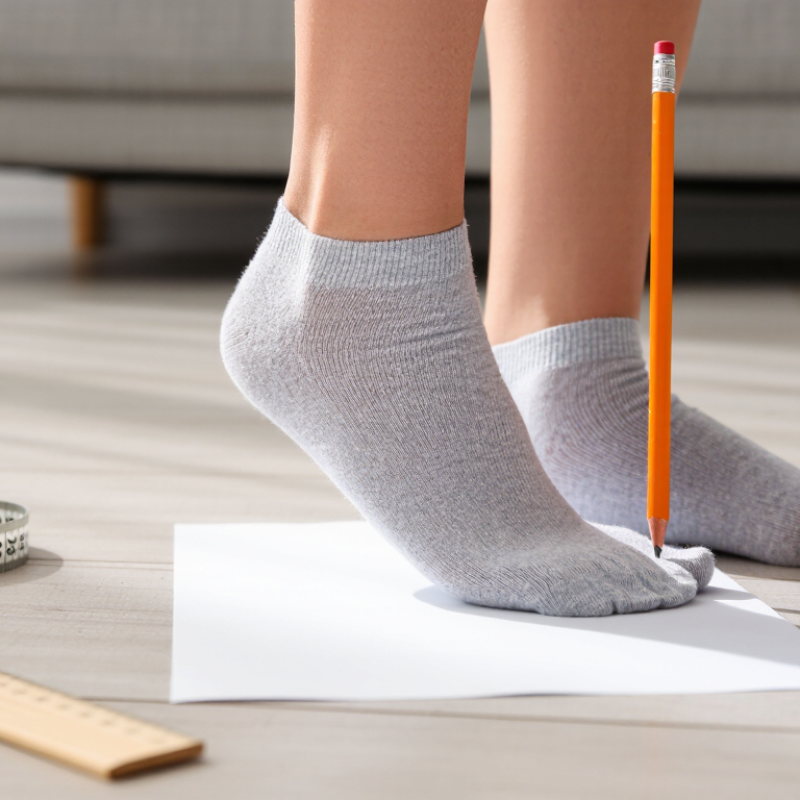
This guide introduces ten practical tips, from measuring both feet while standing to checking length and width against the specific brand’s chart. Use a firm floor, a sheet of paper, and a pencil held upright beside the foot. Measure later in the day, when feet may be slightly larger, and wear the socks you plan to use with the shoes. Small details count.
A careful measurement helps. It cannot promise a perfect fit. Foot shape, materials, and personal comfort still matter, and size charts may leave some questions unanswered. Use the measurements as a reliable starting point, then check the seller’s fit notes and exchange policy before ordering.
Why Accurate Foot Measurements Matter for Online Shoe Shopping in China
When buying shoes online in China, accurate foot measurements help you choose a fit rather than rely on a familiar size label. Sizing can vary between sellers and shoe styles, so check the measurement chart for the specific pair. A few millimeters may affect comfort, especially in narrow or structured shoes. Small differences matter.
Measure both feet while standing, with your heel lightly touching a wall. Use the socks you expect to wear with the shoes. Mark the tip of your longest toe, then measure from the wall to that mark in centimeters. Measure the widest part of each foot as well. Feet can differ slightly, so use the larger measurement when comparing sizes. Late afternoon is often a useful time to measure, since feet may swell during the day.
Do not press a ruler into your foot or guess from an old pair that already feels tight. Check whether the chart gives foot length or shoe length; they are not the same. If your measurements fall between sizes, consider the shoe’s shape and the seller’s fit notes. Measuring carefully reduces guesswork, but it cannot reveal every issue, such as a stiff heel or a cramped toe box.
China: Top 10 Tips for Measuring Feet for Online Shoe Shopping
Why accurate foot measurements matter: they help you compare your feet with a seller’s size chart instead of relying on size labels alone.
The chart shows selected marks in China’s metric shoe-sizing system, where the number corresponds to foot length in millimetres. These are reference marks, not a guarantee of fit; shoe shape and seller sizing charts can differ.
10 measurement tips
- Measure barefoot on a hard, level floor.
- Place a sheet of paper against a wall.
- Stand on the paper with your heel lightly touching the wall.
- Keep your weight evenly distributed while measuring.
- Mark the tip of your longest toe.
- Measure from the paper’s wall edge to the toe mark.
- Repeat the process for the other foot.
- Use the longer foot when checking a size chart.
- Measure both feet later in the day, when they may be slightly larger.
- Compare your measurements with the seller’s chart, including width or ball-girth guidance when available.
Tools and Preparation for Measuring Your Feet at Home
Before measuring, gather two sheets of paper, a hardback book or ruler, a pencil, and a flexible tape measure. Use a firm, level floor rather than carpet, which can distort the outline. Wear the socks you expect to use with the shoes. Measure later in the day, when feet may be slightly larger. Keep the paper from sliding; a small piece of tape can help.
Stand with your heel lightly against a wall and your weight evenly distributed. Ask someone to trace around each foot while holding the pencil upright, not tilted beneath the toes. No helper? Sit down to mark the heel and longest toe, then check the outline while standing. Measure the distance between those marks, and measure across the widest part of each foot for width. Repeat both measurements. Small differences are normal.
Write down the larger foot’s length and width, along with the date and sock type. Shoe sizing can vary, so compare your measurements with the seller’s size chart rather than relying on your usual size alone. A tracing is not perfect; pencil angle and posture can change the result. If two attempts differ noticeably, reset the paper and measure again.
How to Measure Foot Length and Width Step by Step
How to Measure Foot Length and Width Step by Step
Measure both feet while standing, with the socks you expect to wear. Feet can swell slightly during the day, so evening measurements may better reflect their everyday size. Place a sheet of paper on a hard floor, with one edge against a wall. Stand with your heel touching the wall and mark the tip of your longest toe. Measure from the paper’s edge to the mark. Repeat for the other foot; use the longer measurement.
For width, mark the widest points across the ball of each foot, then measure between them in a straight line. Keep the pencil upright, not angled under your foot. Record length and width in millimeters, and measure twice. Small errors happen. A crooked mark can change the result.
Tips: Measure both feet, and fit the larger one. Compare your measurements with the seller’s size chart, including its width guidance; sizing systems vary. The National Retail Federation and Appriss Retail estimated that 17.6% of online retail sales were returned in 2023. That figure covers retail overall, not shoes specifically, but it shows why careful fit checks matter. Measurements are a useful starting point, not a guarantee: shoe shape and toe-room preferences still affect comfort.
How to Match Your Measurements to Chinese Shoe Size Charts
A Chinese shoe size chart may show foot length in millimeters or centimeters, but the number is not always a direct match for a US or European size. Measure both feet while standing, with your heel against a wall. Record the longer foot from heel to longest toe, then check the chart for the exact shoe style. Charts can differ between sellers, so avoid relying on a size number remembered from another pair.
Read the chart labels carefully. “Foot length” describes your foot; “insole length” describes the shoe’s interior. They are not interchangeable. If a chart lists a recommended foot length of 24.5 cm, compare it with your measured foot length—not the length of a shoe you own. Check width guidance too, especially if your forefoot feels tight in standard shoes.
Small details matter.
If your measurement falls between two listed sizes, use the seller’s fit notes and consider how you plan to wear the shoes. Thick socks may call for more room, while a close-fitting style may feel different. I still find charts easy to misread when units change, so convert carefully: 245 mm equals 24.5 cm. When the chart is unclear, ask for the insole measurement before ordering.
How to Check Fit, Brand Sizing, and Return Policies
A careful foot measurement helps, but it cannot predict every fit. Measure both feet late in the day, when they may be slightly larger. Stand on paper in the socks you plan to wear, mark your heel and longest toe, then measure the distance in centimeters. Repeat for the other foot. Fit is personal. Use the larger measurement as your starting point, and check the seller’s size chart rather than relying on a familiar number. Sizing can vary between makers, and conversions between Chinese and international size systems may not match perfectly.
Check more than length. Look for guidance on width, toe shape, and whether the shoe runs narrow or roomy. If reviews mention heel slipping or pressure across the forefoot, treat those details as useful clues, not guarantees. Before ordering, read the return policy carefully: note the return window, whether unworn shoes can be returned, and who pays return shipping. Keep the box. Try the shoes indoors on a clean floor, and walk a few steps; toes should not press against the front, while the heel should feel secure. I still find size charts imperfect, especially when one foot is wider. That is a reason to check the policy before paying, not to assume a measurement will settle everything.
Conclusion
Accurate foot measurements can make online shoe shopping in China more comfortable and help reduce sizing mistakes. Before you begin, prepare a sheet of paper, a pencil, and a ruler or measuring tape. Measure both feet at the end of the day, when they may be slightly larger, and wear the socks you expect to use with the shoes. Knowing how to measure foot size accurately for online shoe shopping means recording the length and width of each foot carefully, then using the larger measurement when comparing sizes.
To measure, stand with your heel against a wall, mark the tip of your longest toe, and measure the distance from the wall to the mark. Trace each foot to estimate its widest point, too. Compare your measurements with the seller’s Chinese size chart rather than relying only on your usual size, since sizing can vary between styles and sellers. Check whether the chart uses foot length or another measurement, and review fit guidance and return policies before ordering. If you are between sizes, use the seller’s recommendations and allow enough room for natural movement.
 Orions Fashion
