Orions Fashion
Choosing the right football boots for artificial turf can significantly impact your game. The type of surface you play on requires specific footwear to enhance performance and prevent injuries. Many players overlook the importance of selecting the right boots, leading to discomfort and poor play.
When wondering how to choose football boots for artificial turf, it’s essential to consider a few key factors. The traction pattern is crucial. You need a design that provides grip without damaging the turf. Additionally, the materials used for the boots affect comfort and durability. Poor-quality boots may lead to blisters and long-term foot issues.
It's also worth pondering personal fit and style preferences. What works for one player might not suit another. You may find the fit varies among brands, forcing a re-evaluation of your choices. Ultimately, taking the time to research and try on different models will pay off on the pitch. Remember, the best boots blend comfort, performance, and suitability for artificial surfaces.
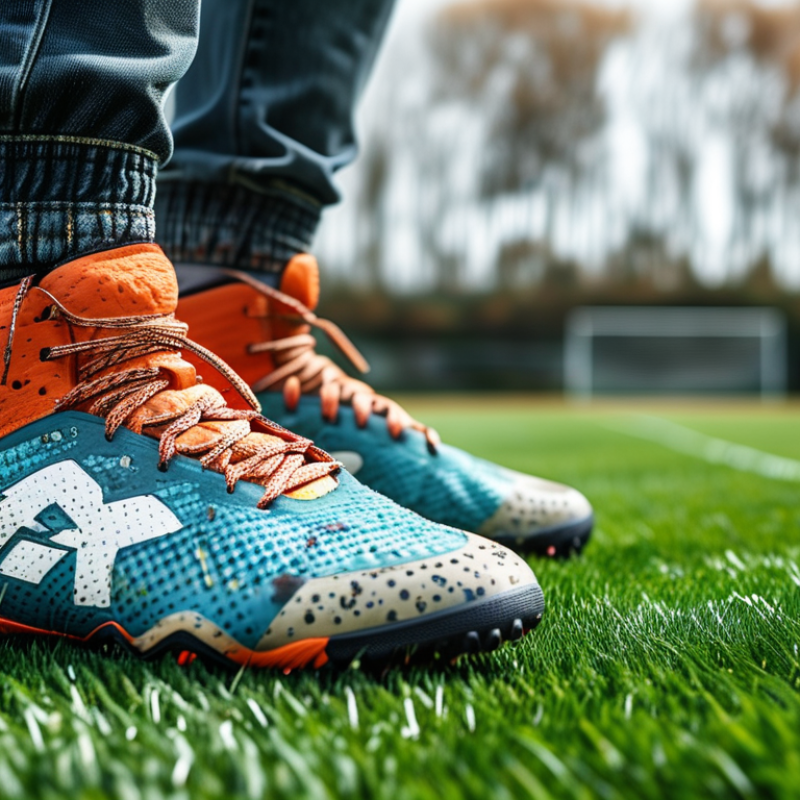
Choosing the right football boots for artificial turf is crucial. Many players underestimate the importance of this choice. Research shows that improper footwear can lead to injuries. According to a study published in the Journal of Sports Science, about 30% of football injuries can be traced back to inadequate footwear. This statistic highlights the need for careful consideration when selecting boots.
Artificial turf surfaces are often less forgiving compared to natural grass. The increased traction can cause more strain on the joints. Boots with the wrong type of studs can exacerbate this issue. Reports indicate that models specifically designed for turf can enhance stability and prevent sliding. It's not just about style or brand; functionality plays a vital role in performance and safety.
A well-fitted boot should not only be comfortable but also provide adequate support. The material and construction impact how the boot interacts with the surface. Boots made from flexible yet durable materials have been shown to reduce the risk of blisters and discomfort during play. Failure to consider these factors may result in poor performance or even long-term injuries. Prioritizing fit and design tailored for artificial turf can lead to better results on the field.
Selecting the right football boots for artificial turf is crucial for performance and injury prevention. One of the primary factors to consider is the type of sole plate. Turf boots typically feature multiple small studs that provide optimal traction on synthetic surfaces. According to research by the International Journal of Sports Science & Coaching, boots with a higher density of studs offer better grip, helping players maintain speed and stability during play.
Fit is another important aspect. Your boots should feel snug but not uncomfortable. A study by the Journal of Sports Medicine indicated that poorly fitted footwear can increase the risk of blisters and other injuries. Players often underestimate the significance of ankle support. Boots that provide enough ankle stabilization can help reduce the risk of sprains, especially on uneven turf.
Material choice also plays a role. Synthetics are lightweight and water-resistant, while leather offers durability and a better ball touch. However, this doesn’t mean that leather will outperform synthetics on turf. Data from the Sports Footwear Research Network shows that synthetic options often perform better in wet conditions due to their grip. Finding the right balance between comfort, support, and material is essential, yet many players struggle with this decision.
When it comes to football boots for artificial turf, understanding the types available is crucial. Turf shoes, often called trainers, feature short rubber studs. These studs provide excellent grip without damaging the playing surface. They are ideal for quick movements and sharp turns.
Another option is multi-ground boots. These usually have varied stud lengths. They can perform well on both grass and turf. Players often find them versatile, allowing for consistent performance in different conditions.
When selecting your boots, consider the fit. A snug fit reduces movement inside the shoe. This can prevent blisters and injuries. Make sure to check the width too. Everyone's feet are different. You don't want the shoe to be too tight or too loose.
For added comfort, look for a cushioned insole. This feature can make a real difference during long matches. Shoes with good arch support are also beneficial. They help in maintaining balance while running or kicking.
The following chart illustrates the most important factors to consider when choosing football boots for artificial turf surfaces. The data reflects the percentage of players prioritizing each factor based on a recent survey.
When selecting football boots specifically designed for artificial turf, it's essential to consider critical features that enhance performance and comfort. The right boots should offer excellent traction. According to a study by the Sports Footwear Association, boots with specialized rubber studs improve grip on synthetic surfaces by up to 30%. This can significantly impact speed and agility during matches.
Secondly, weight matters. Boots that are too heavy can slow players down. Lightweight designs, usually under 250 grams, help improve quick movements. Comfort is also vital. A good fit reduces the risk of blisters and injuries, with almost 60% of players at risk if boots do not fit properly. Cushioning is another critical element. Well-cushioned insoles absorb impact and provide better control.
Finally, consider weather resistance. Artificial turf can retain heat and moisture. Breathable materials help manage temperature, preventing discomfort during play. Players reported a 25% increase in endurance with improved breathability, according to recent surveys. Evaluating these features can lead to more informed choices, enhancing overall performance on the field.
Choosing the right football boots is crucial for comfort and performance. A proper fit can prevent blisters and enhance your game. Start by trying on boots at the end of the day. Your feet swell naturally. Make sure the boots feel snug, but not too tight. There should be a little space in the toe area. Ideally, your toes should have room to wiggle.
Consider the width of your feet. Football boots come in various fits. A wider fit is better for those with broader feet. You can use insoles for added comfort and support. Check the arch support as well. This can help reduce fatigue during long matches.
Pay attention to the material. Leather boots tend to stretch over time. Synthetic materials offer retention and breathability. Remember, comfort can vary drastically between different styles. Don't settle on the first pair you try. Walk around in them to gauge comfort. Consider how they feel during movement. Ill-fitting boots can ruin your experience on the pitch. Listening to your body will guide you toward the best choice.
: The sole plate affects traction. Multiple small studs provide better grip, enhancing speed and stability.
Ill-fitting boots increase the risk of blisters and injuries. Comfort is key for optimal performance.
Ankle support reduces the risk of sprains, especially on uneven surfaces. It's often underestimated but vital.
Synthetics are lightweight and perform better in wet conditions. Leather offers durability but may not outperform synthetics.
Lightweight boots, usually under 250 grams, help improve quick movements and overall agility on the field.
Well-cushioned insoles absorb impact and provide better control. They also enhance comfort during matches.
Breathable materials help manage temperature and moisture. They can lead to increased endurance during play.
Choose a fit that matches your foot width. Broader feet may require wider boots for better comfort and support.
Walking around in boots helps evaluate comfort during movement. Don't settle for the first pair you try on.
Pay attention to how your body feels in the boots. Comfort can vary greatly, affecting your performance on the field.
Choosing the right football boots for artificial turf is crucial for enhancing performance and ensuring player safety. To effectively understand how to choose football boots for artificial turf, it’s essential to consider several key factors, including the type of surface, traction requirements, and the specific playing style. Football boots designed for artificial turf typically feature a shorter stud length to provide grip while minimizing potential injuries.
When selecting boots, focus on key features such as cushioning for comfort, lightweight materials for agility, and a snug fit to support quick movements. Additionally, ensure that the boots provide adequate ankle support and flexibility to enhance overall performance. Following these tips can lead to a more enjoyable playing experience while also maximizing the potential of your game on artificial turf surfaces.
