Orions Fashion
Badminton footwork demands more than speed; it requires control, balance, and confident movement. A suitable shoe should support rapid lunges, sudden stops, and repeated side-to-side recovery without feeling heavy. The key question is: what makes a shoe good for badminton footwork? On a polished indoor court, the outsole should grip firmly without leaving marks. The midsole should soften hard landings while keeping the foot close to the floor. A stable heel counter can reduce unwanted rolling during sharp directional changes. Fit matters too. Your toes need room to move, but your heel should not lift inside the shoe.
This guide explores the top ten features that influence badminton footwork, including traction, flexibility, cushioning, stability, weight, ventilation, and durability. These points reflect practical court experience and common assessment methods used by badminton coaches and sports-medicine professionals. A shoe may feel comfortable during a short warm-up, then expose weak support after an hour of play. Small details matter. Notice the squeak, the pressure under your forefoot, and the way your foot lands after a deep lunge. Marketing claims cannot replace that evidence. Still, no shoe fits every player perfectly. A lightweight model may improve speed but offer less cushioning. A heavily cushioned shoe may feel secure but slow quick recovery steps. That trade-off deserves honest consideration. The best choice matches your movement style, court surface, body needs, and playing frequency. Test carefully. Listen to your feet.
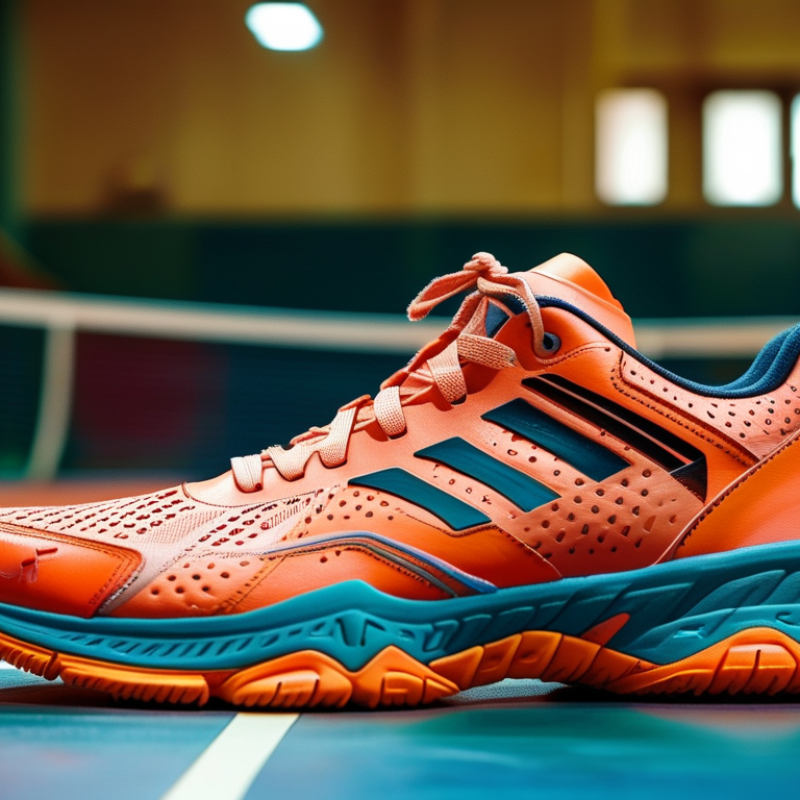
Good badminton footwork starts before racket contact. A player must split-step, push sideways, brake, and recover quickly. Shoes influence each movement through grip, stability, weight, cushioning, flexibility, fit, ventilation, durability, court feel, and torsional control. On a dusty court, traction matters more than soft foam. A slipping forefoot can turn a clean lunge into a strained ankle. Not dramatic, but real.
During footwork drills, test the shoe with repeated chasse steps, deep lunges, and sudden backward recovery. The outsole should hold without feeling sticky. A stable heel should stay centered when the body leans outside the base. Moderate cushioning protects joints, yet excessive softness can delay force transfer. The upper should flex near the toes, while the midfoot resists unwanted twisting. Check this carefully. Shoe performance is movement-specific, not a number on a product box.
Fit deserves careful attention. Leave slight toe room, but prevent heel lift when stopping. Wear the socks used for training, and test both feet after they swell. I once favored a very light pair and noticed faster fatigue during long defensive rallies; my first judgment was incomplete. Durability also depends on court dust, cleaning habits, and weekly training volume. A shoe that feels excellent for ten minutes may fail after an hour. Coaches and physiotherapists can help interpret pain, but discomfort should not be treated as proof of progress.
Badminton footwork requires repeated lunges, lateral movements, sudden stops, jumps, and rapid recovery to the center. The chart ranks the main shoe-performance factors by practical importance on a 0–10 index.
Stability and traction receive the highest priorities because players frequently change direction and brake on indoor courts. Cushioning, flexibility, fit, and court feel work together to support comfortable, controlled movement without making the shoe unnecessarily heavy.
Fast lateral movement begins with controlled contact, not maximum softness. The Badminton World Federation’s 2024 Laws specify a doubles court width of 6.10 metres. Players may cross that distance repeatedly during one rally. A stable shoe should keep the heel centered during hard side steps. Its outsole should grip without feeling sticky. ISO 20344:2021 footwear testing also evaluates slip resistance, but laboratory results cannot fully predict dusty court conditions.
Look for a broad base, firm heel counter, and low stack height. These features reduce unwanted ankle rolling during lunges. A secure midfoot fit stops your foot sliding inside the shoe. Cushioning still matters, especially after repeated jumps. Too much softness can delay push-off.
I have sometimes chosen comfort over control, and my recovery felt slower. That mistake is easy to repeat.
Tips: Test lateral support with a quick side shuffle. Your heel should stay planted. Bend into a lunge and check for pressure near the toes. Leave about one thumb-width of space in front. Replace worn outsoles when traction fades, even if the upper looks new. Small details matter. A shoe can feel excellent in a shop yet fail during fast defensive changes. Reflect on your own movement pattern before trusting general ratings.
A good badminton shoe must soften repeated impact without feeling soft or unstable. During lunges, split steps, and sudden stops, your heel and forefoot absorb force within seconds. Effective cushioning reduces harsh landing pressure. Shock absorption also helps limit vibration traveling through your feet and legs.
A useful test is simple. Walk, then perform several quick side steps. Your heel should land quietly. The forefoot should feel protected, not trapped. Too much cushioning can delay movement and make the shoe feel unstable. Too little may leave your feet aching after an hour. The best balance depends on your weight, playing style, and court surface.
I once chose a heavily cushioned pair for comfort. It felt pleasant at first. Later, my lateral movements became less precise. That choice was wrong for my footwork. A sports podiatry review would also consider arch shape, heel control, and injury history. Check whether the midsole compresses evenly, especially beneath the heel and ball of the foot. Replace worn shoes when cushioning feels flat or uneven. A shoe cannot correct poor landing technique, but suitable shock absorption can make repeated practice less punishing. Small details matter.
A good badminton shoe is built for sudden braking, not casual walking. The BWF court measures 13.40 by 6.10 metres, yet players repeatedly cover it with short, explosive movements. A 2020 review in the Journal of Sports Science and Medicine found that lower-limb injuries represented roughly 60% of reported badminton injuries across reviewed studies. That figure makes grip and traction practical safety features, not marketing language.
Grip describes how your foot connects with the floor. Traction describes how reliably that contact works during a lunge or recovery step. A flat, non-marking rubber outsole with a multidirectional pattern helps resist sideways slipping. However, excessive stickiness can feel awkward and may increase twisting stress at the knee.
I once preferred the grippiest sole available. It stopped quickly, but my pivots became clumsy. That was not better performance.
Flexibility matters near the forefoot. The shoe should bend where your toes naturally push, while the midfoot still feels supported during hard lateral cuts. ISO 20871:2018 provides a standardized method for testing outsole abrasion, but laboratory durability cannot predict every dusty court. Wipe the sole regularly. Small details matter. A 2023 review in Sports Medicine also linked badminton’s repeated lunges and jumps with substantial lower-limb loading. Therefore, test shoes with split steps, side shuffles, and deep lunges, rather than judging them from standing comfort. Forgiving cushioning helps, but it cannot correct delayed foot placement or weak ankle control.
Your playing style should guide your shoe choice. Singles players often need stable shoes for long lateral movements and sudden recovery steps. Doubles players may prefer lighter models for rapid front-court interceptions. Rear-court attackers need firm support during repeated jumps and landings. The Sports & Fitness Industry Association’s 2024 report recorded roughly six million badminton participants in the United States. That number reflects varied bodies, courts, and movement habits. One shoe cannot suit everyone.
Look for a secure heel, flexible forefoot, and reliable non-marking grip. A stiff midsole can improve confidence during lunges, but excessive stiffness may slow natural movement. Torsional support matters when your foot rotates during a wide defensive reach. The British Journal of Sports Medicine has repeatedly linked poor footwear fit and inadequate support with greater lower-limb loading in court sports. Fit still comes first. Your toes should move slightly, while your heel stays quiet. I once underestimated toe pressure during repeated lunges. It felt minor, but the discomfort changed my footwork.
Tips: Test shoes with badminton socks. Try split steps, chasse steps, and deep lunges indoors. Leave about a thumb-width before your longest toe. Replace them when the outsole feels smooth or the midsole feels flat. Do not choose solely by weight. Lighter is not always better. Examine your movement honestly; the “fastest” shoe may expose weak ankle control.
Shoes affect grip, stability, braking, push-off, cushioning, and recovery speed. Small movements matter.
Choose an outsole that grips firmly without feeling sticky. Dust can reduce traction quickly. Test repeated side shuffles before playing.
Perform quick chasse steps, deep lunges, and sudden backward recoveries. Your heel should remain centered and planted. Check both directions.
Moderate cushioning can soften repeated landings and reduce harsh vibration. Excessive softness may delay force transfer during push-off. Balance matters.
Leave roughly one thumb-width of space before your toes. The heel should not lift during sudden stops. Wear your usual training socks when testing.
A secure midfoot prevents your foot from sliding inside the shoe. The upper should flex near the toes but resist unwanted twisting. Do not ignore pressure.
Walk, then perform several quick side steps and repeated split steps. Your heel should land quietly, while the forefoot stays protected. Comfort alone is insufficient.
Replace them when traction fades or cushioning feels flat and uneven. A clean-looking upper can hide a worn outsole. Court dust and training volume affect lifespan.
Not always. A very light pair may feel quick but cause fatigue during long defensive rallies. My earlier judgment was incomplete. Test performance after an hour.
Stop and examine the fit, landing technique, and movement pattern. Coaches or qualified foot specialists can offer useful guidance. Pain is not proof of progress.
Good badminton footwork depends on shoes that support quick, controlled, and repeated movement across the court. The key question—what makes a shoe good for badminton footwork—can be answered through several performance features. Strong lateral stability helps keep the foot secure during sudden side-to-side movements, while a supportive heel and well-fitted upper reduce unwanted sliding inside the shoe. Effective cushioning and shock absorption also protect the feet, ankles, and knees by softening the impact of jumps, lunges, and rapid stops.
Grip, flexibility, and traction are equally important. A reliable non-marking outsole should provide firm contact with the court without feeling too sticky or restrictive. At the same time, the shoe should bend naturally at the forefoot so players can move quickly and change direction comfortably. The best choice ultimately depends on playing style, court movement, body weight, and personal comfort. By balancing stability, protection, grip, and flexibility, players can improve footwork efficiency and maintain confidence during intense matches.
