Orions Fashion
Orions Fashion
Orions Fashion
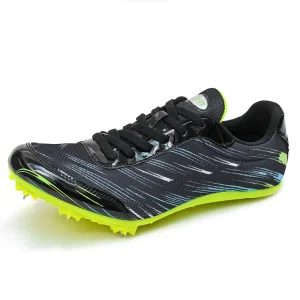
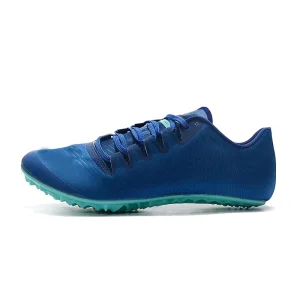
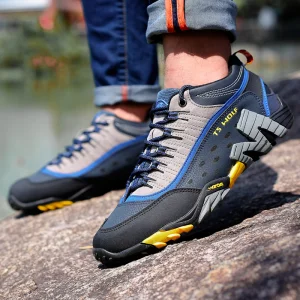
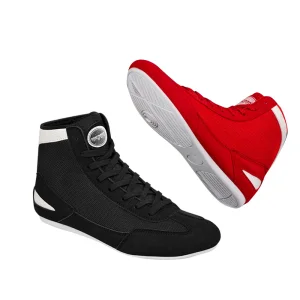
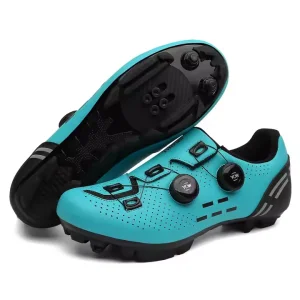
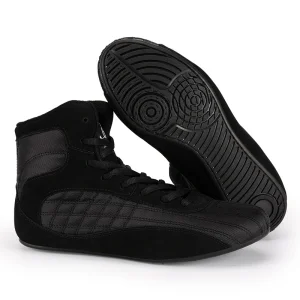
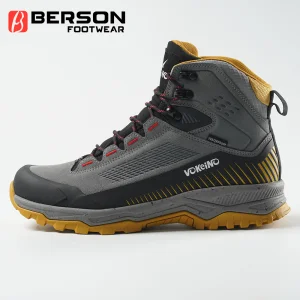
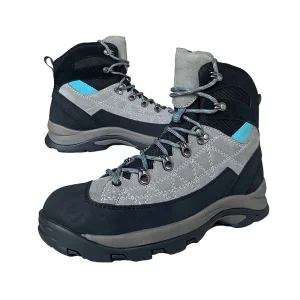
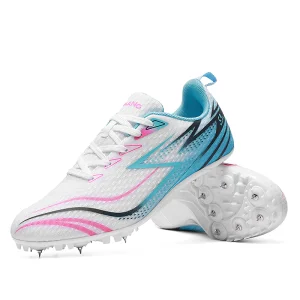
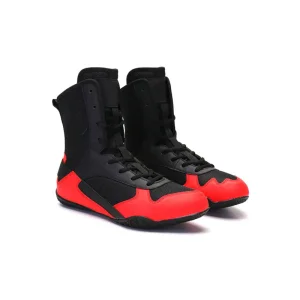
Explore our engineering-first training gear, featuring high-traction boxing boots, lightweight spikes, and adaptive outdoor footwear optimized for explosive athletic performance.
An in-depth analysis of supply chains, manufacturing nodes, and quality assurance paradigms in 2024.
The global market for martial arts training gear and combat athletic equipment has transitioned from a niche sector into a multi-billion-dollar high-performance industry. According to recent market analysis, the surge in demand is fueled by the worldwide expansion of Mixed Martial Arts (MMA), functional fitness programs, and defensive training regimens. This commercial evolution has forced manufacturers to move past basic vulcanized rubber and canvas construct, pivoting towards advanced biomechanical engineering, synthetic material overlays, and high-impact structural designs.
Historically, production was highly fragmented. Today, key industrial hubs—predominantly concentrated in specialized zones like Quanzhou, Fujian Province—have consolidated the supply chain. These clusters leverage decades of footwear and textile expertise to combine yarn spinning, synthetic leather extrusion, injection molding, and testing laboratories within tight geographic radii. This integration allows exporters to execute strict quality control parameters aligned with international safety standards (such as CE, ASTM, and ISO 9001:2015), ensuring the gear withstands high torsion, continuous friction, and intense shock absorption requirements.
In martial arts training, footwear and protective gear serve as the primary interface between the athlete and the surface. Sourcing managers and procurement heads must evaluate products on three key mechanical paradigms:
Exploring the engineering shift toward hyper-lightweight construction, smart sensing, and circular manufacturing.
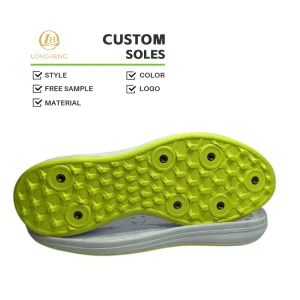
Utilizing low-profile MD+TPU outsoles (varying from 4mm to 6mm thickness) to mimic barefoot kinetics while providing crucial structural defense against impact injury during dynamic maneuvers.
Replacing traditional chrome-tanned leathers with high-grade synthetic cow suede and eco-friendly PU. This transition offers equivalent abrasion resistance, water repellency, and weight reductions.
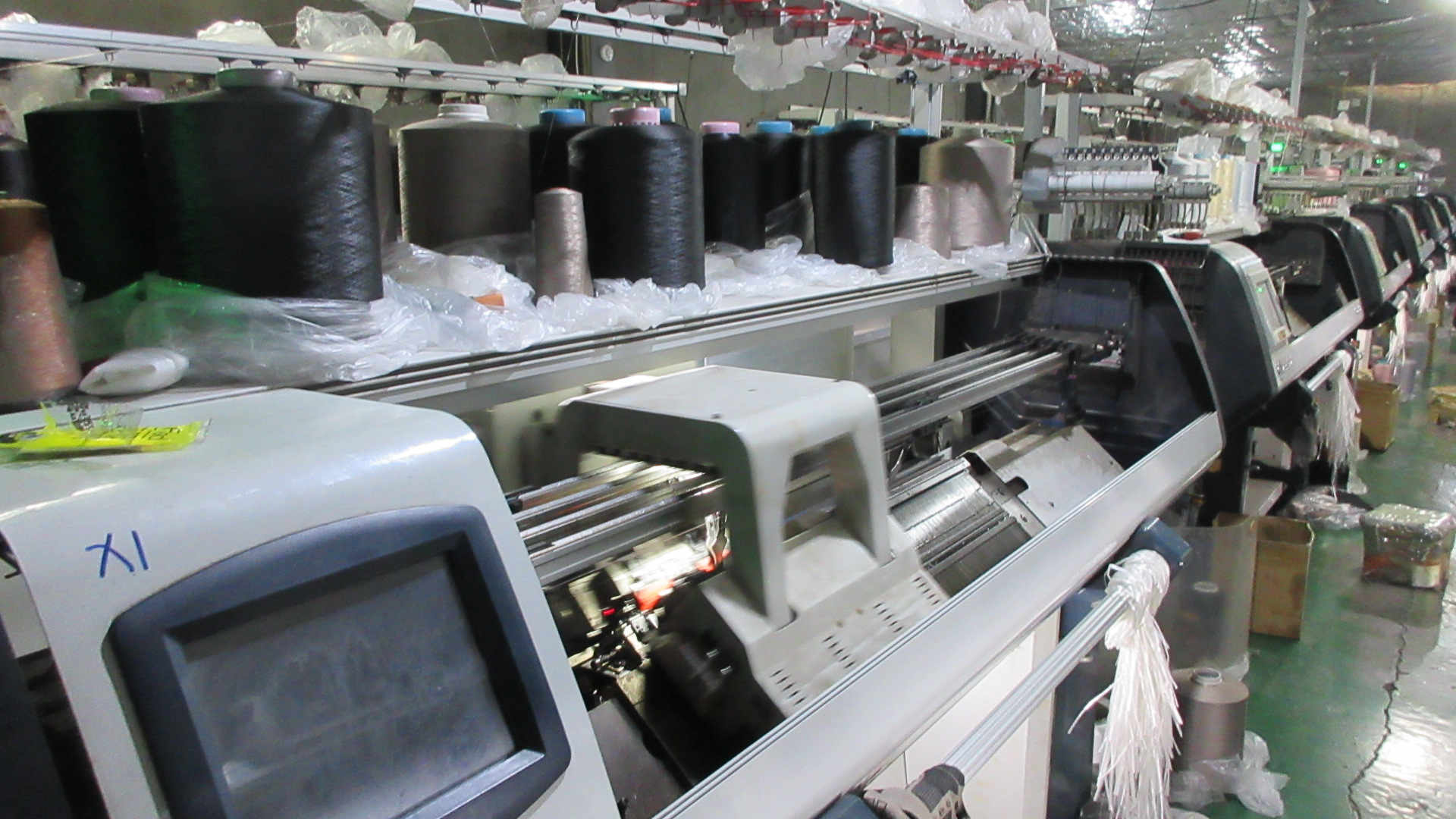
Using computerized flat-knitting technology to weave different density zones into a single continuous upper. Tight weaves provide lateral stability, while open knits maximize breathability.
Looking ahead, the integration of IoT sensors within martial arts gear is moving from concept to production. Manufacturers are collaborating with technology providers to embed ultra-thin, flexible pressure sensors within outsoles and protective padding. These sensors collect real-time data on weight distribution, strike impact force, and footwork speed, transmitting metrics to training applications. Factories that establish R&D capacity for smart sensor integration will secure a significant competitive advantage over the next decade.
How top-tier brands and distributors customize production strategies to target distinct regional and professional markets.
A major challenge for global procurement offices is matching factory technical capacities with localized end-user requirements. Top-tier manufacturers solve this problem by maintaining three separate production lines:
With global supply chain vulnerabilities rising, B2B buyers require more than just quality products; they require logistical resilience. Industrial exporters are addressing this through comprehensive OEM/ODM supply chain integration:
1. Rapid Prototyping: Utilizing CAD designs and 3D printing to turn digital concepts into physical test samples within 7-10 working days.
2. Adaptive Material Sourcing: Using local material ecosystems to mitigate geopolitically induced shipping delays and duty hikes.
3. Traceability and Social Auditing: Achieving certifications such as BSCI (Business Social Compliance Initiative) and WRAP (Worldwide Responsible Accrediting Production) to comply with North American and European corporate responsibility standards.
Demonstrating professional manufacturing expertise and advanced technology capabilities in Quanzhou, China's premier footwear hub.
Quanzhou Orions Fashion Co., Ltd. is a professional manufacturer and exporter specializing in the design, development, production, and sales of footwear, apparel, and fashion accessories. Located in Quanzhou, Fujian Province—one of China's most renowned footwear and garment manufacturing hubs—the company has established a strong reputation for delivering high-quality products and reliable services to customers worldwide.
With years of industry experience, Orions Fashion has developed into a modern enterprise integrating product research and development, manufacturing, quality control, and international trade. The company is equipped with advanced production facilities, efficient management systems, and a highly skilled workforce dedicated to innovation, craftsmanship, and customer satisfaction.
Quality is at the core of everything we do. Orions Fashion implements comprehensive quality control procedures throughout the entire production process, from raw material sourcing to final inspection. The company works closely with trusted suppliers and manufacturing partners to ensure product consistency, durability, and compliance with international standards.
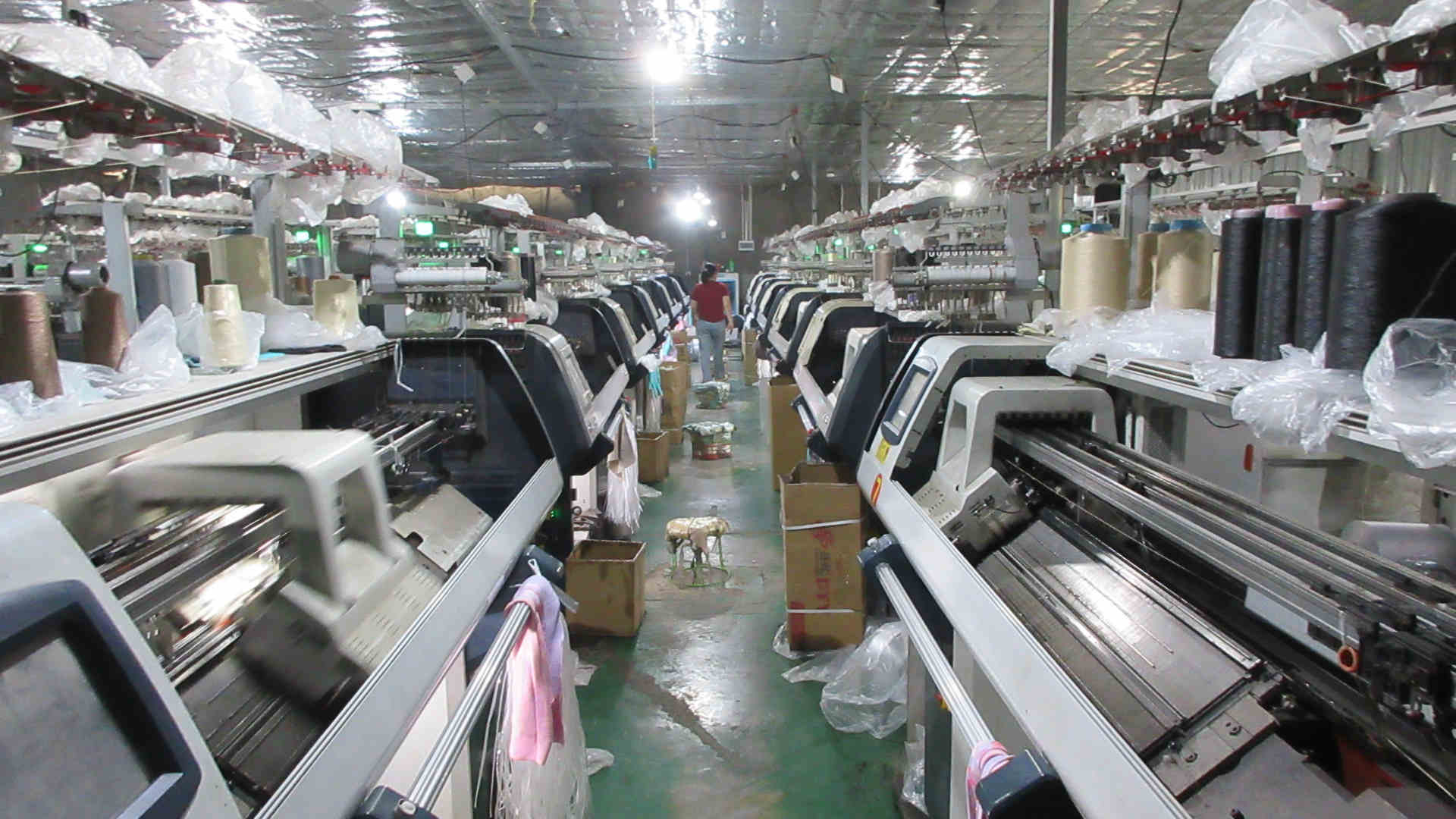
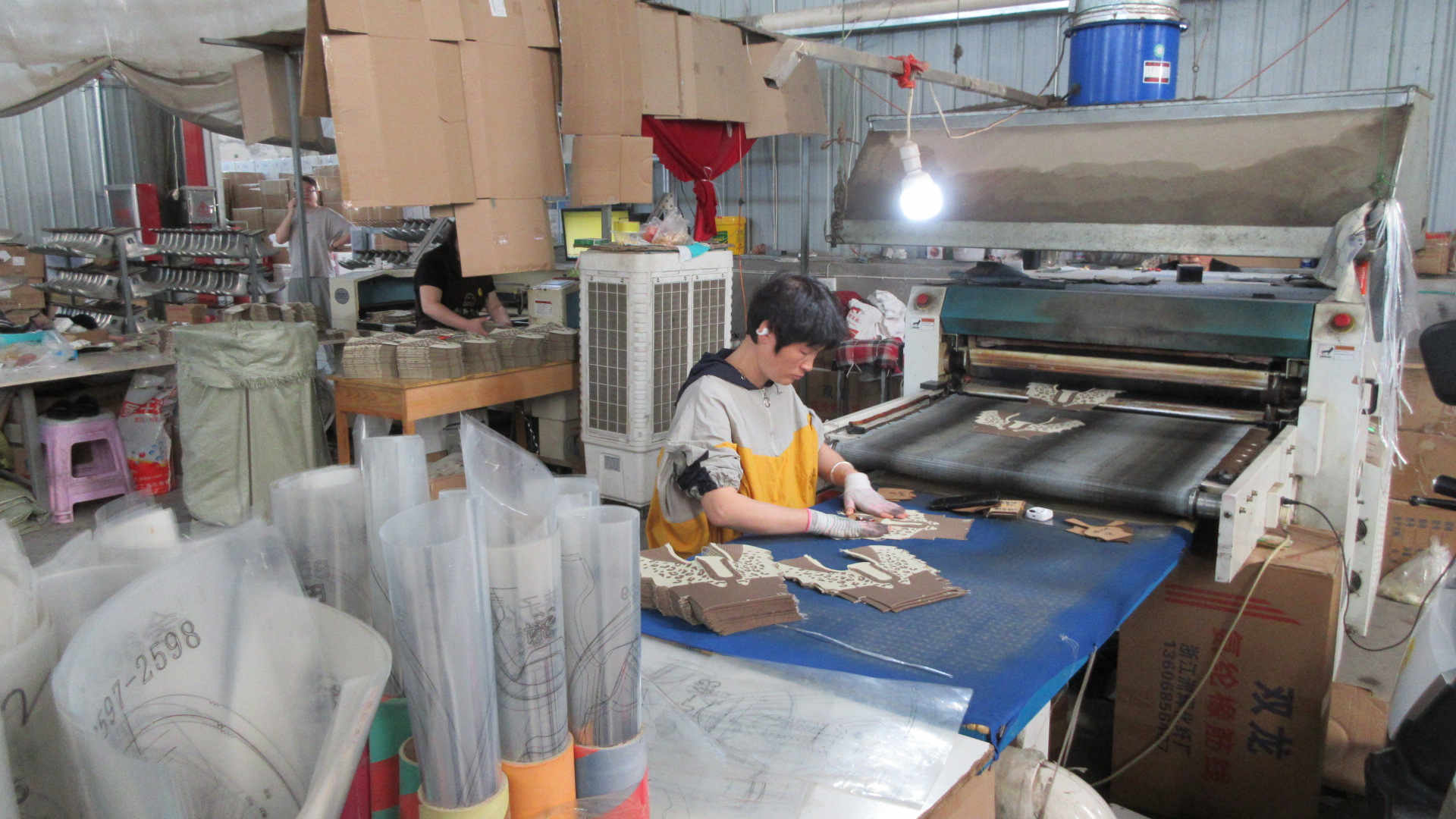
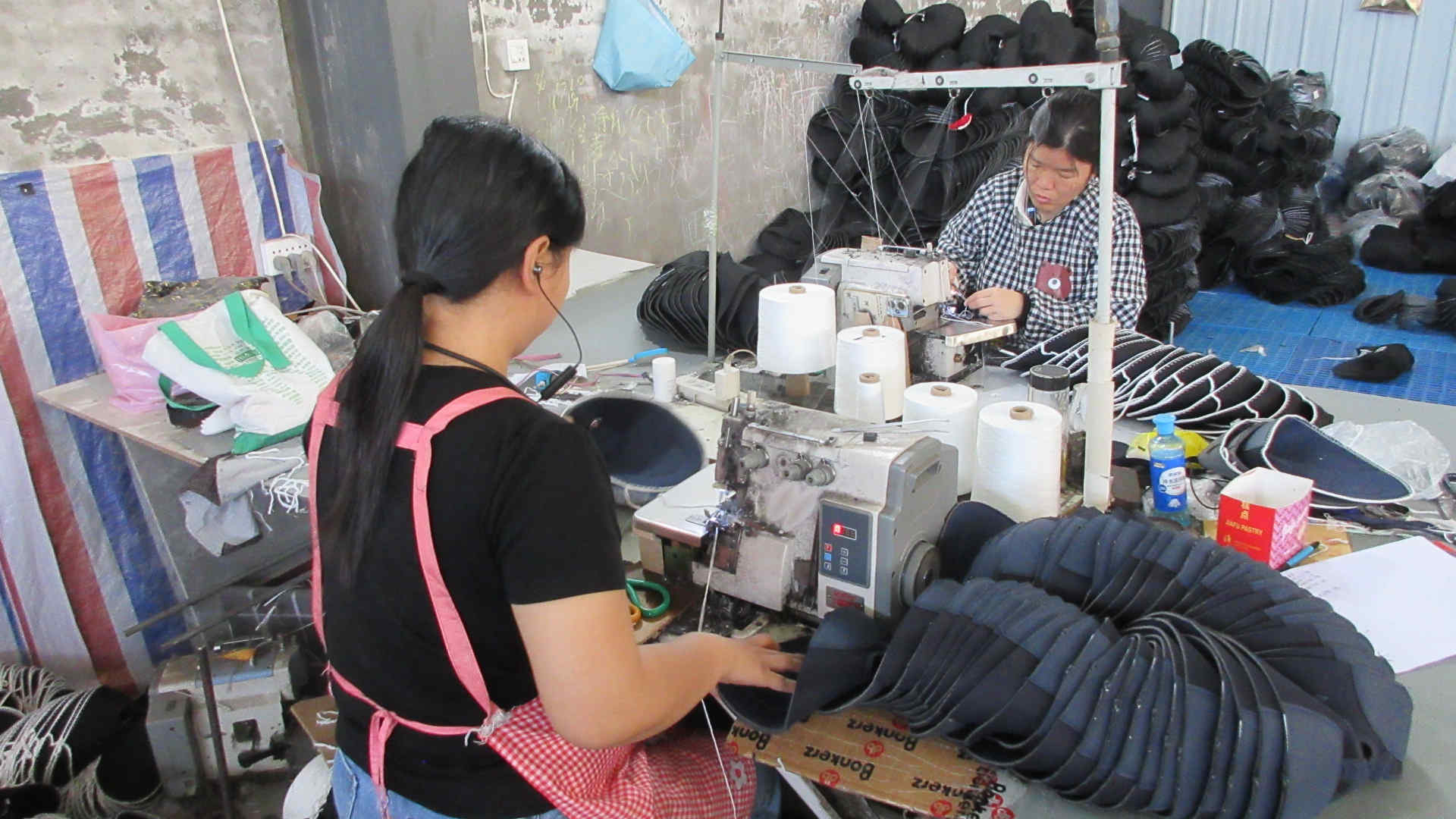
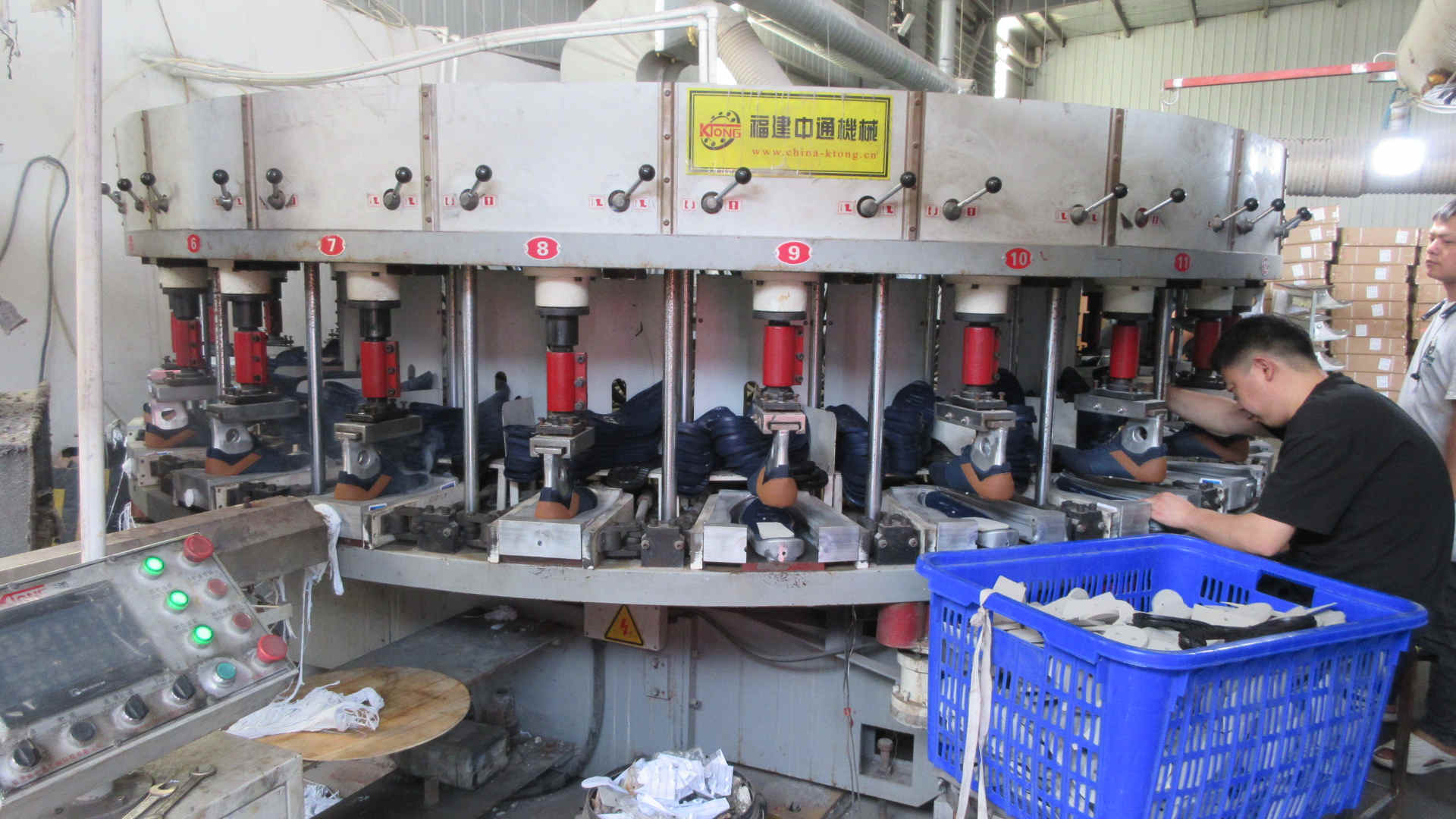
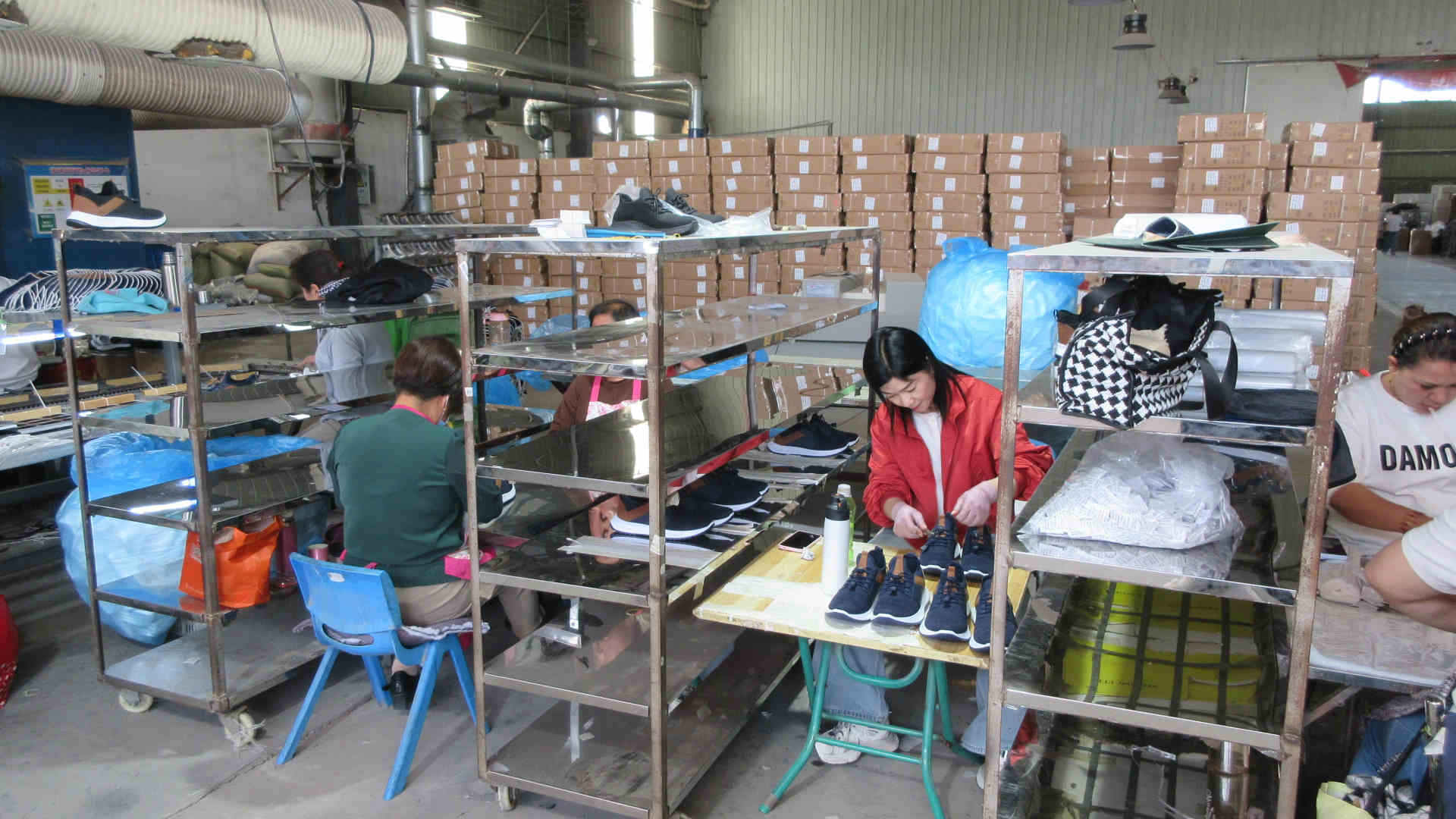
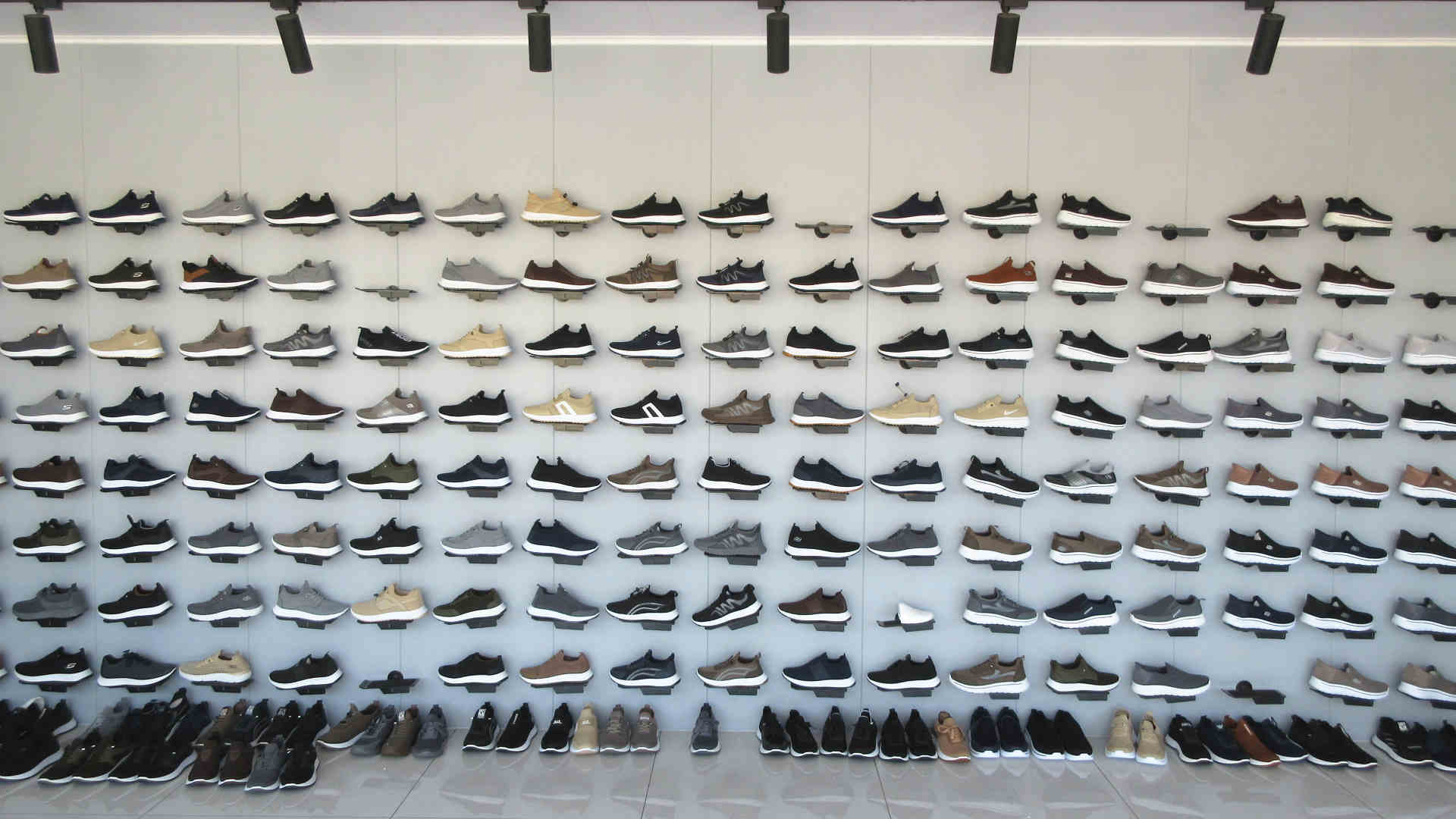
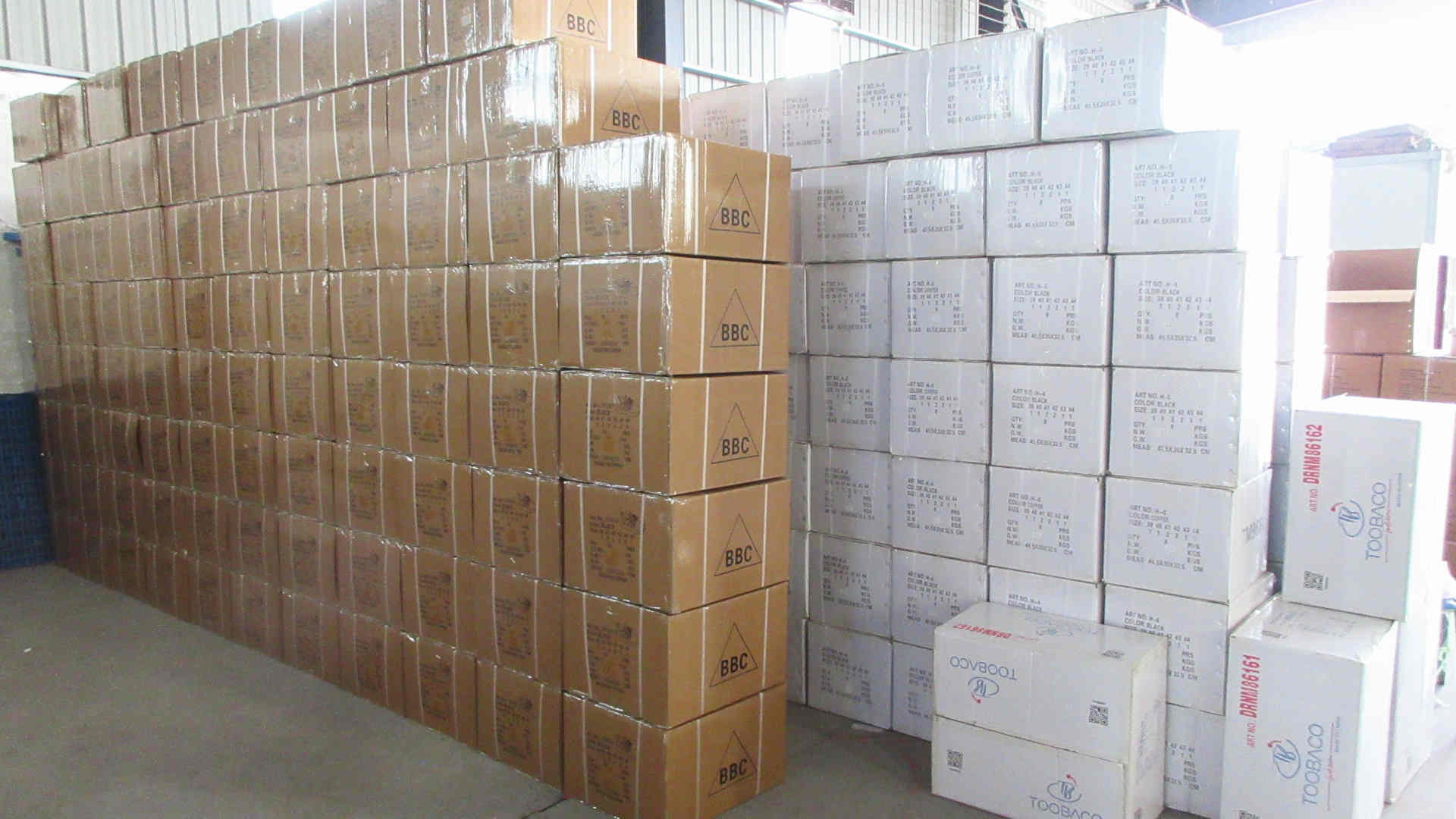
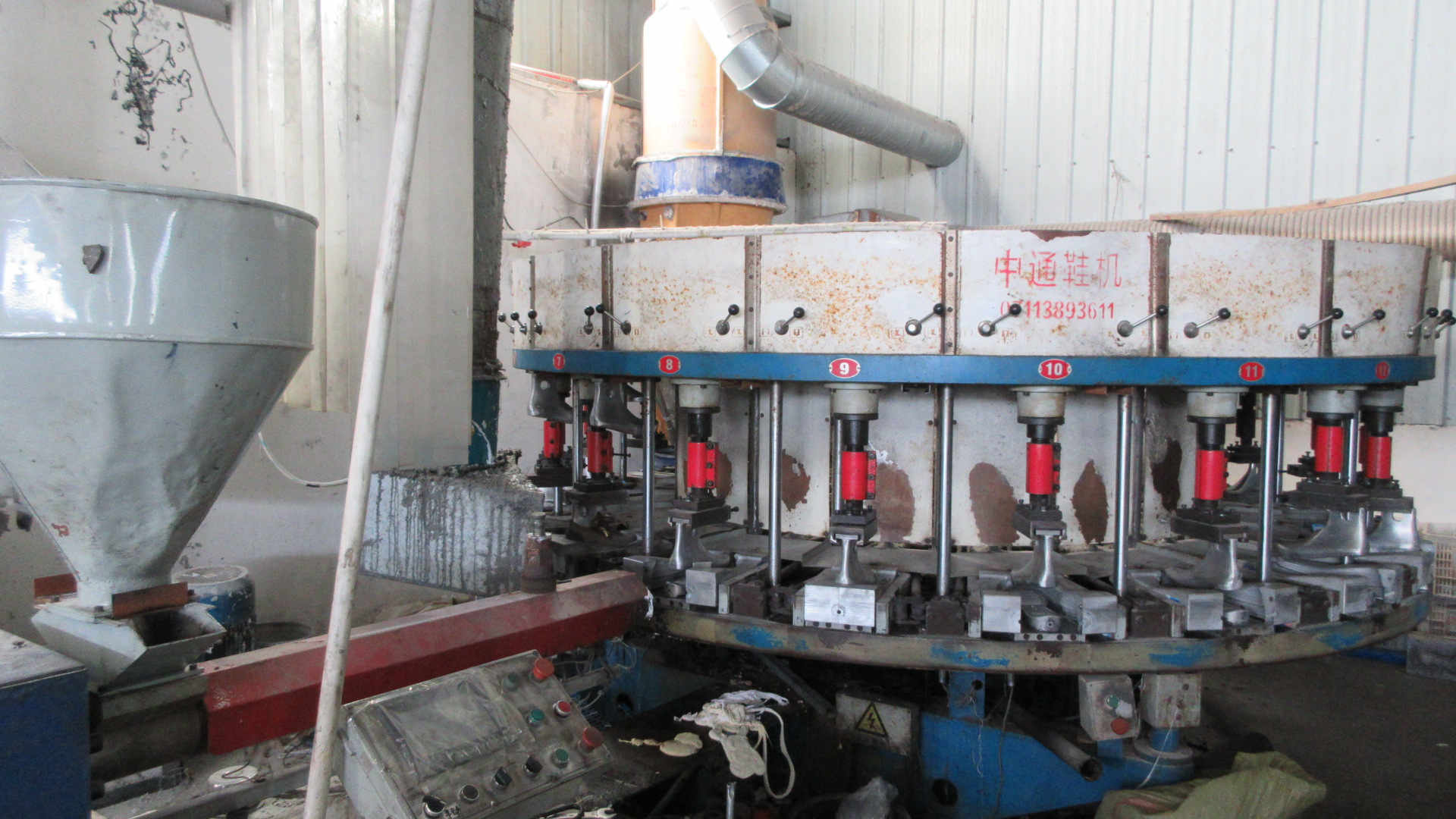
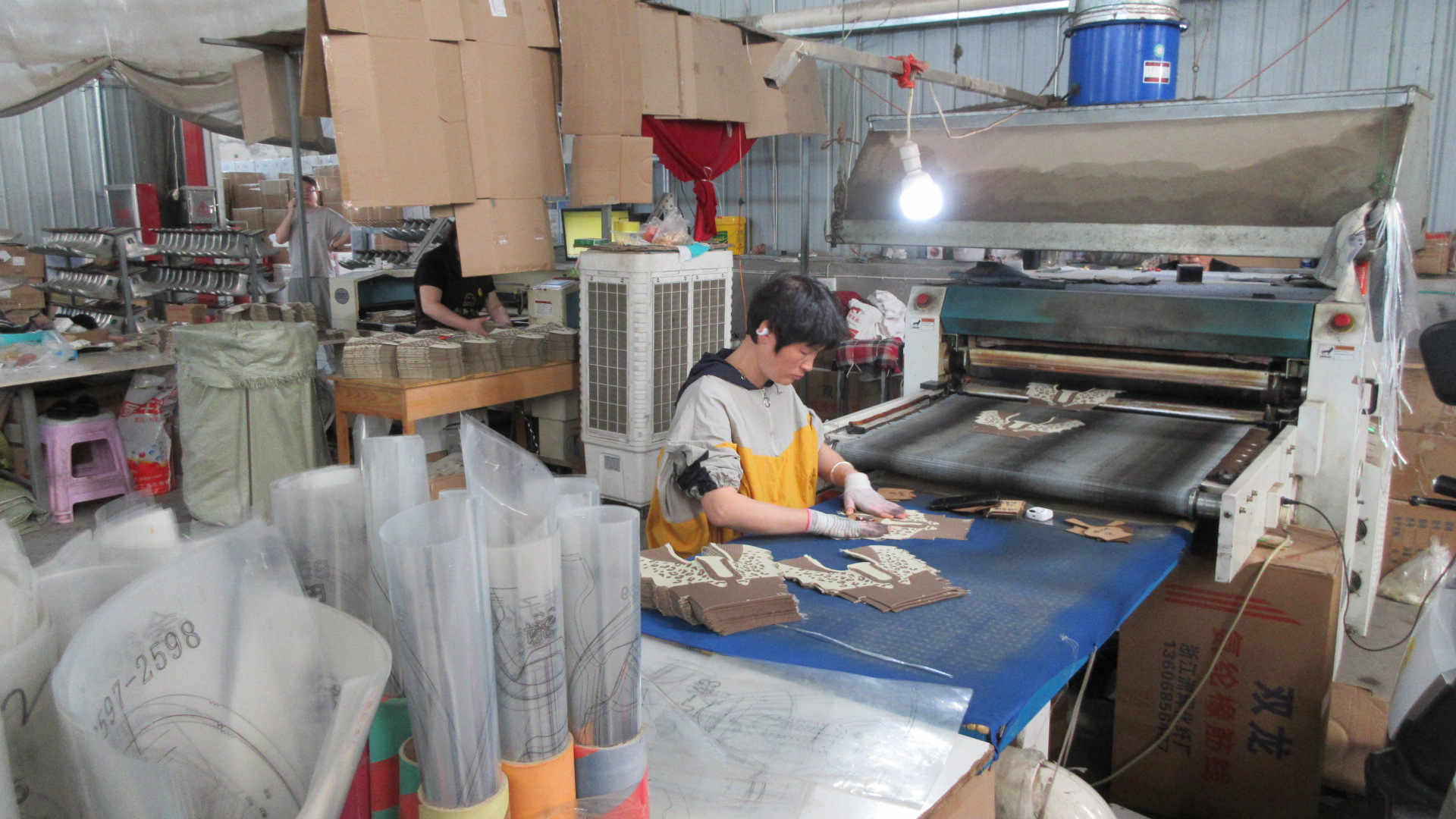
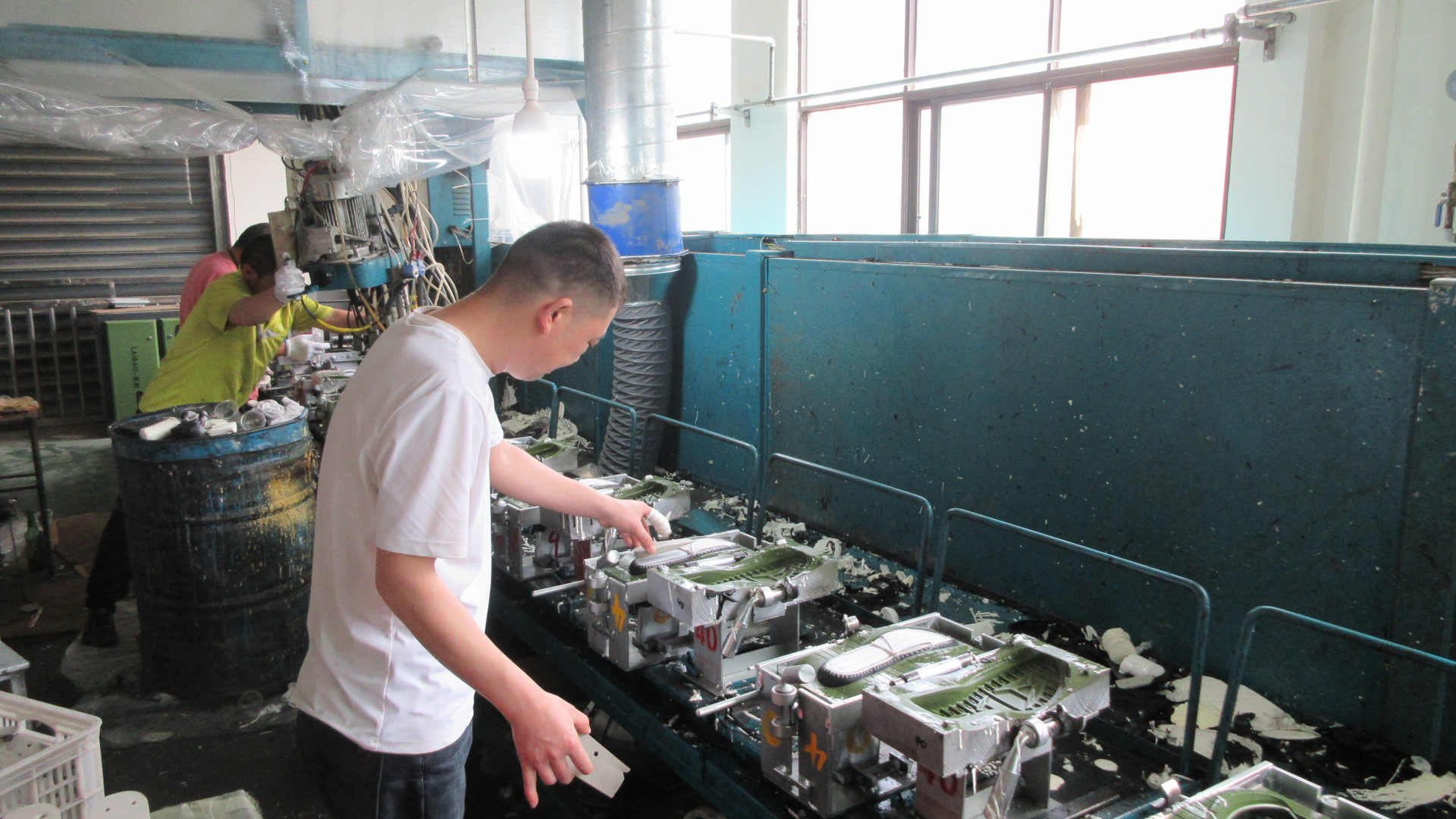
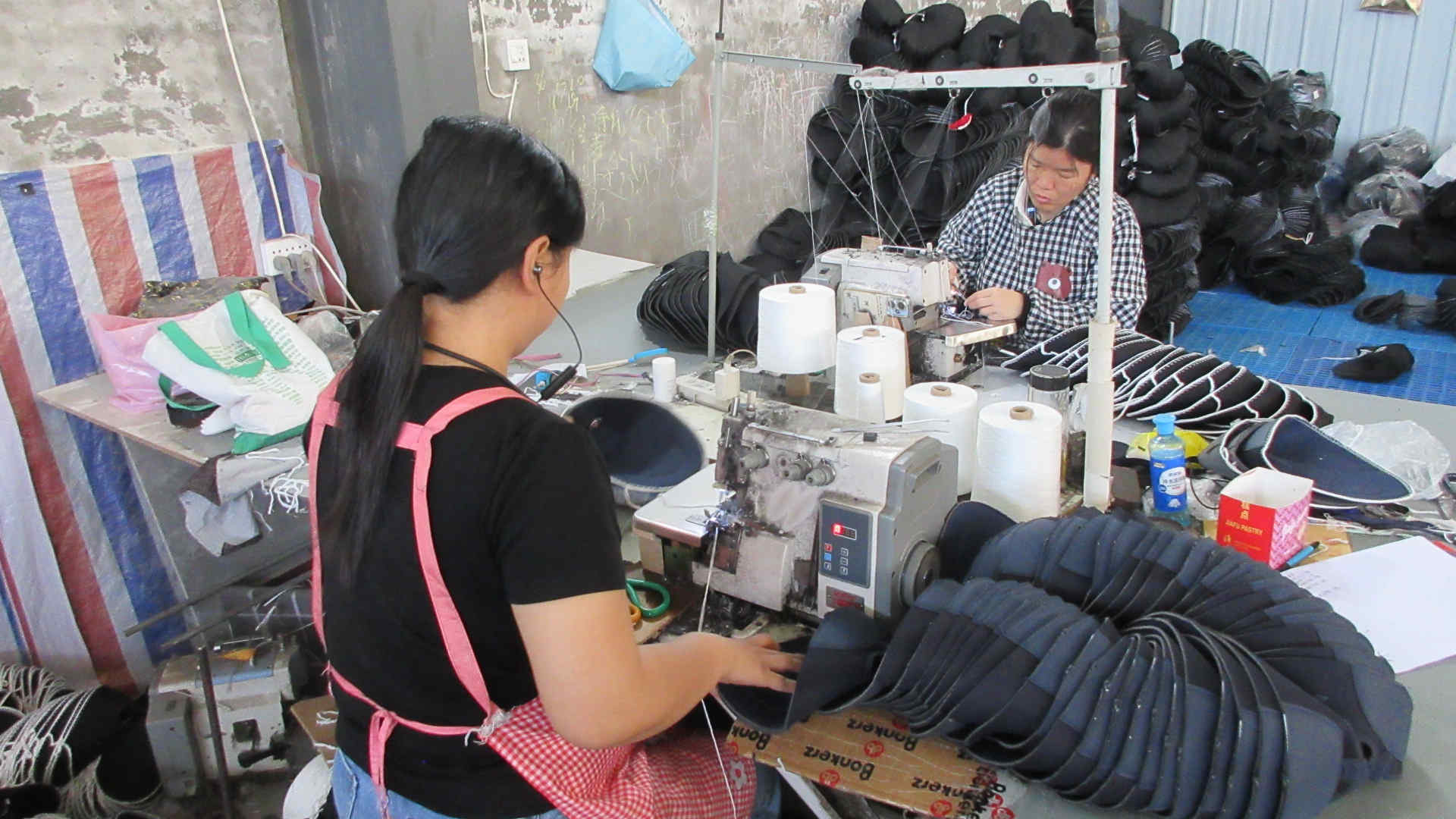
To guarantee peak performance under physical stress, Quanzhou Orions Fashion Co., Ltd. implements a strict multi-step manufacturing sequence. Below is a detailed view of the specific production phases, showcasing the advanced machinery and skilled craftsmanship employed to produce industry-standard footwear and gear:
Get answers to critical procurement questions concerning customization, testing compliance, and logistics.
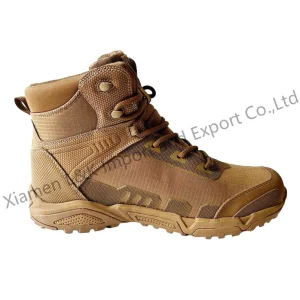
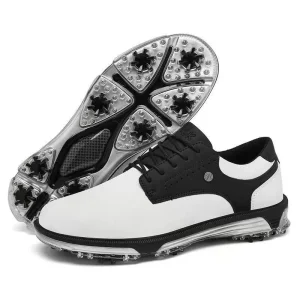
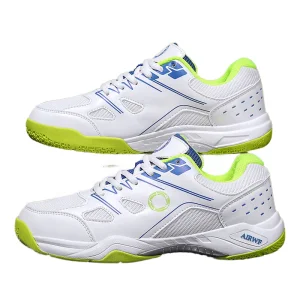
Explore our extensive line of durable sports shoes and technical soles, engineered for multi-sport versatility, high-end training, and rugged endurance.