Orions Fashion
Orions Fashion
Orions Fashion
Engineered for extreme environments, water-resistance, and robust performance training. Direct sourcing options for global distributors.
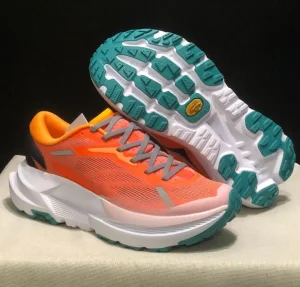
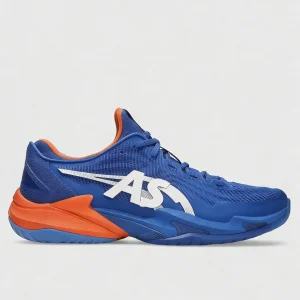
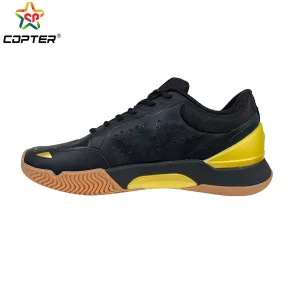
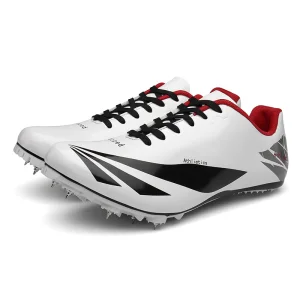
The global surfing equipment market has transitioned from a niche coastal subculture into a multi-billion-dollar high-tech industry. Driven by the inclusion of surfing in the Olympic Games and a surge in adventure tourism, market projections estimate the sector will reach over USD 5.4 Billion by 2028, growing at a steady compound annual growth rate (CAGR) of 4.8%. This expansion has put immense pressure on global supply chains, requiring factories to innovate at the intersection of material science, sustainable manufacturing, and cost efficiency.
Historically concentrated in localized shaping bays across California, Australia, and Hawaii, the modern surfboard and marine accessories supply chain has globalized. Advanced factories in Southeast Asia and specialized manufacturing hubs in China—specifically Fujian and Guangdong provinces—now support the bulk of international OEM and ODM production. These facilities handle not only surfboards but also the complex ecosystem of accessories: neoprene reef booties, custom board bags, performance fins, safety leashes, and specialized training footwear designed for shoreline conditioning and water-dynamic stability.
A common misconception in marine sports procurement is that surfing factories only manufacture surfboards. In reality, the hardware represents only 40% of the market. The remaining 60% lies in accessories, protective clothing, and specialized footwear. High-performance surfing requires a sophisticated physical conditioning regime, leading to high demand for specialized cross-training footwear and advanced neoprene booties that share manufacturing infrastructure with premium athletic footwear.
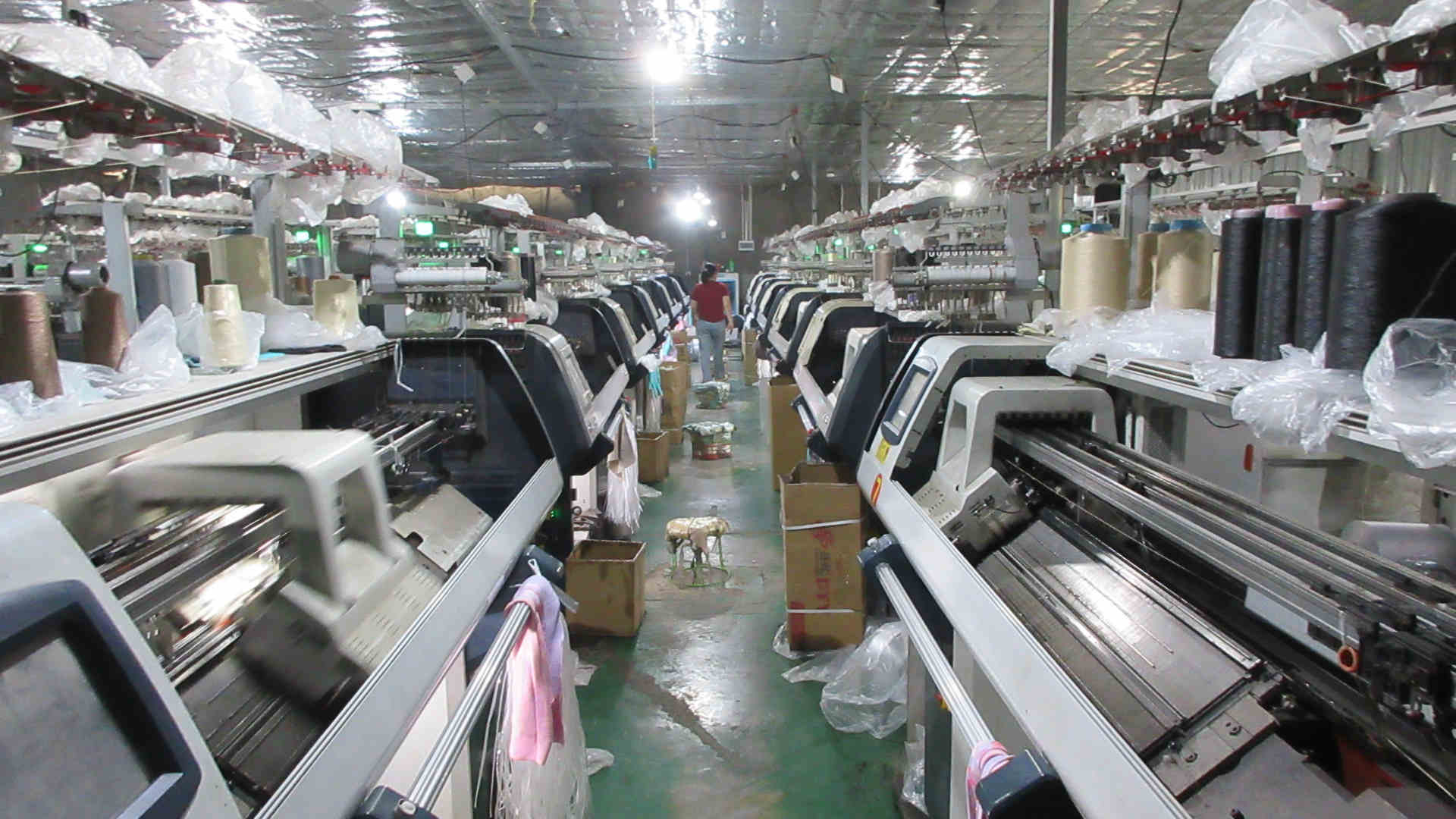
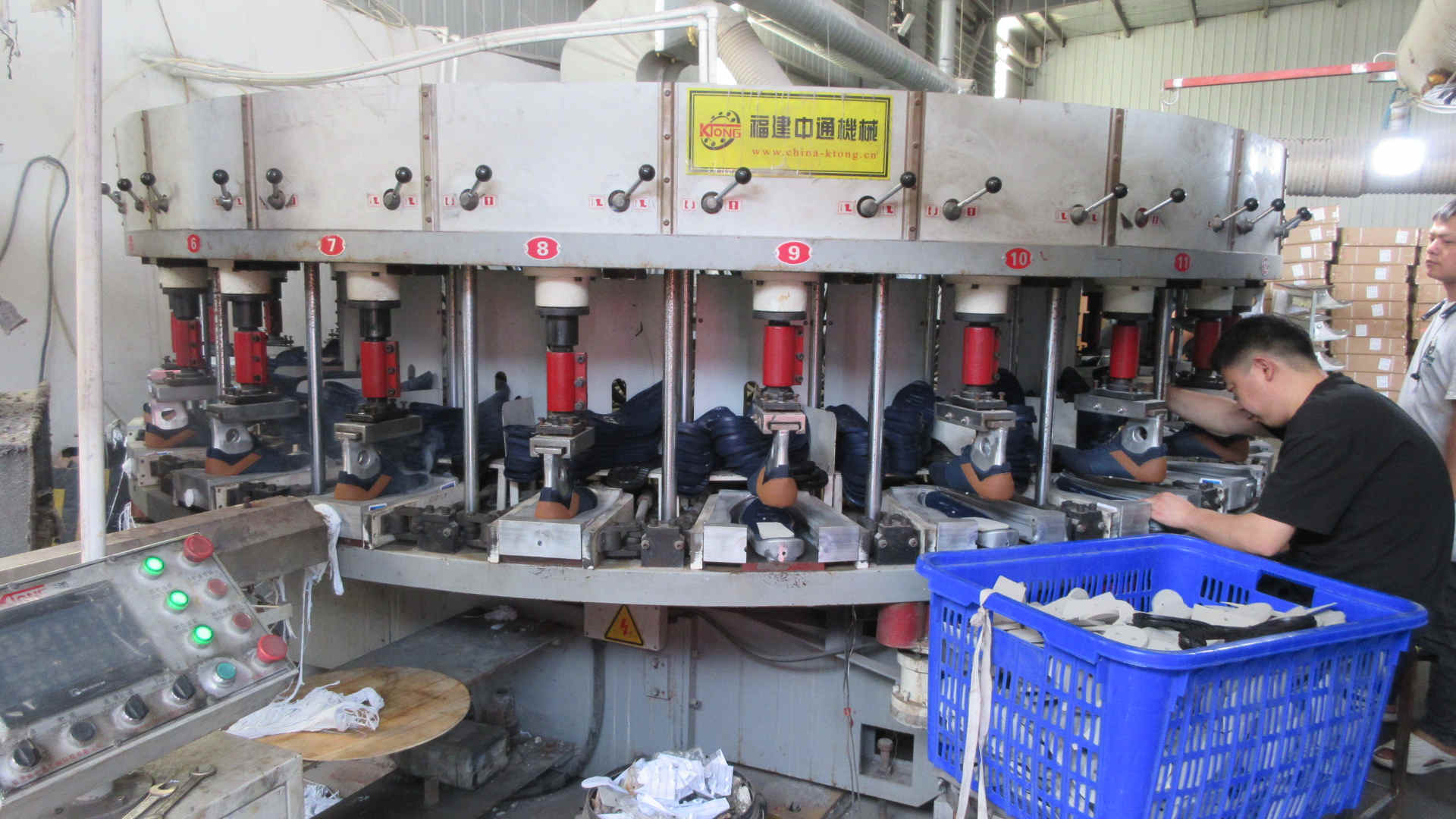
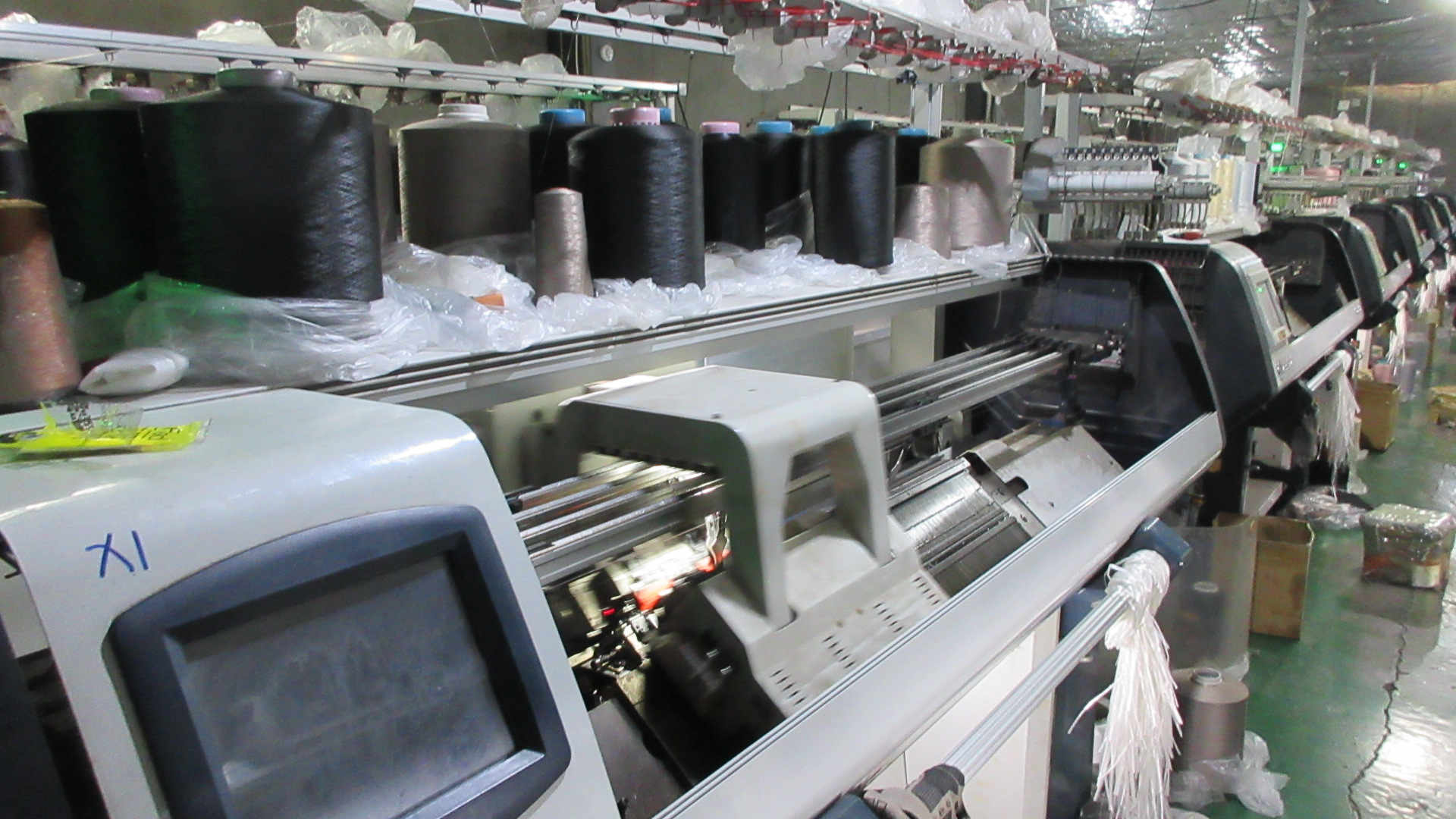
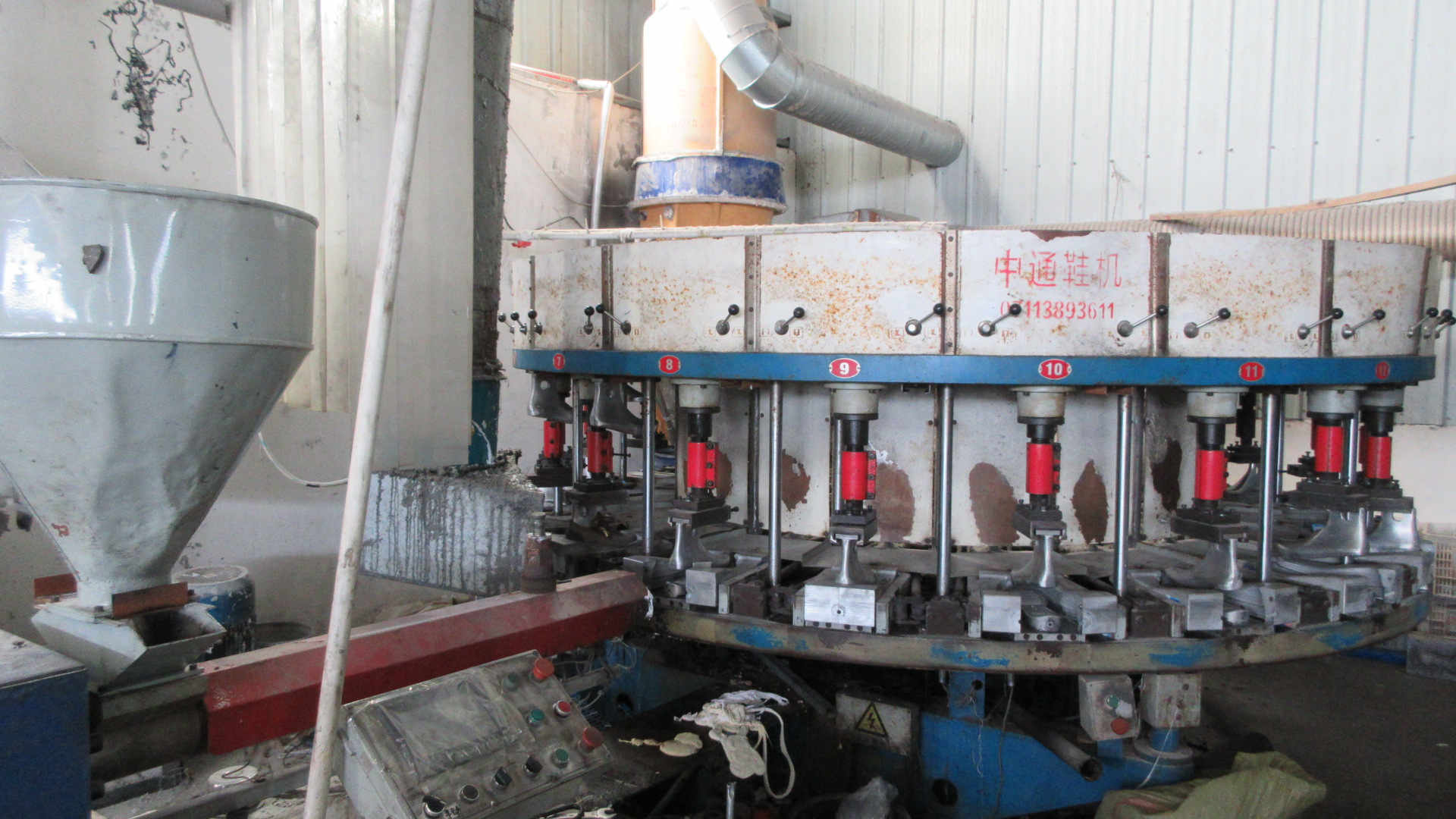
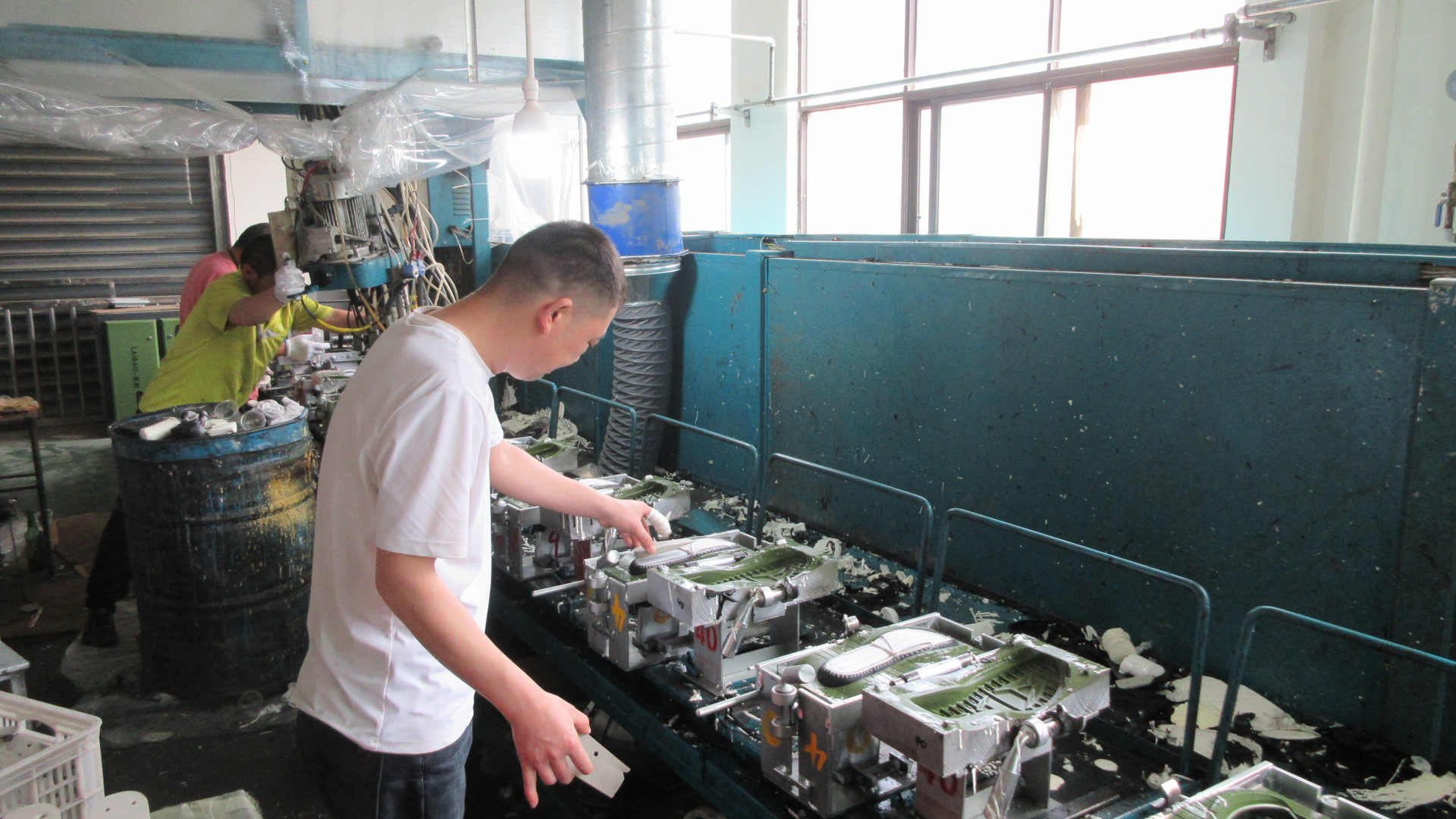
For example, the machinery used to produce Flyknit knitting patterns for lightweight running shoes is highly adaptable for producing breathable, fast-drying marine booties. The PU injection molding technologies that create structural shock absorption in trail running shoes are identically utilized in producing high-traction vulcanized soles for reef boots and impact-resistant fins. Understanding this technological overlap allows smart brand managers to consolidate their supply chains by partnering with vertically integrated footwear and apparel giants capable of cross-industry manufacturing.
A comparative overview of the world's leading manufacturers based on R&D capacity, certification standards, technology integration, and geographical advantage.
| Manufacturer Name | Primary Hub | Core Specialization | Material Focus | Key Certifications |
|---|---|---|---|---|
| Cobra International | Chonburi, Thailand | Premium composite surfboards (Epoxy/EPS) | Carbon Fiber, EPS foam, Bio-Resins | ISO 9001, ISO 14001 |
| Sheico Group | Yilan, Taiwan | Neoprene wetsuits, rash guards, booties | Limestone Neoprene, Eco-carbon black | Oeko-Tex Standard 100 |
| Quanzhou Orions Fashion Co., Ltd. | Fujian, China | Water sports shoes, athletic footwear, wear | Flyknit, PU Injection, Recycled Polyester | BSCI, ISO 9001, CE, REACH |
| SFC Composite | Guangdong, China | Fins, hydrofoils, paddleboards | Pre-preg Carbon, Fiberglass, RTM Epoxy | ISO 9001 |
| Firewire OEM Division | Chonburi, Thailand | High-end sustainable surfboards | Paulownia Wood, Bio-resins, EPS | ECOBOARD Gold Level |
| Taizhou Marine Sport Goods | Zhejiang, China | Inflatable SUPs, life vests, board bags | Drop-stitch PVC, TPU laminates | CE, TUV, SGS |
| Vinh Hoan Corp (Aqua Division) | Dong Thap, Vietnam | EVA deck pads, traction pads, softboards | Algae-based EVA foam (Bloom), PE | ISO 14001, BSCI |
| Foil Technology Ltd. | Busan, South Korea | Hydrofoil masts, wings, board accessories | High-modulus Carbon Fiber, CNC Titanium | AS9100 (Aerospace grade) |
| Shengzhou Neoprene Products | Zhejiang, China | Reef booties, leash cuffs, harness belts | SBR, CR Neoprene, Jersey fabrics | REACH, RoHS |
| SurfTech OEM Group | Ensenada, Mexico | Molded sandwich surfboards, soft-tops | Fused-cell EPS, Tuflite composite | ISO 9001 |
Selecting a supplier from the top tier requires analyzing your brand's specific position in the market. If you are launching a premium carbon-fiber foil board, aerospace-grade composite specialists like Cobra or Foil Technology Ltd. are essential. However, if your brand focuses on high-volume consumer accessories, shore conditioning apparel, and critical safety wear (such as non-slip training footwear and high-durability booties), sourcing from integrated powerhouses like Quanzhou Orions Fashion offers unmatched cost efficiencies, shorter lead times, and comprehensive quality control from fiber to finished product.
A professional manufacturer and exporter integrating advanced material science, automated production, and global trade expertise.
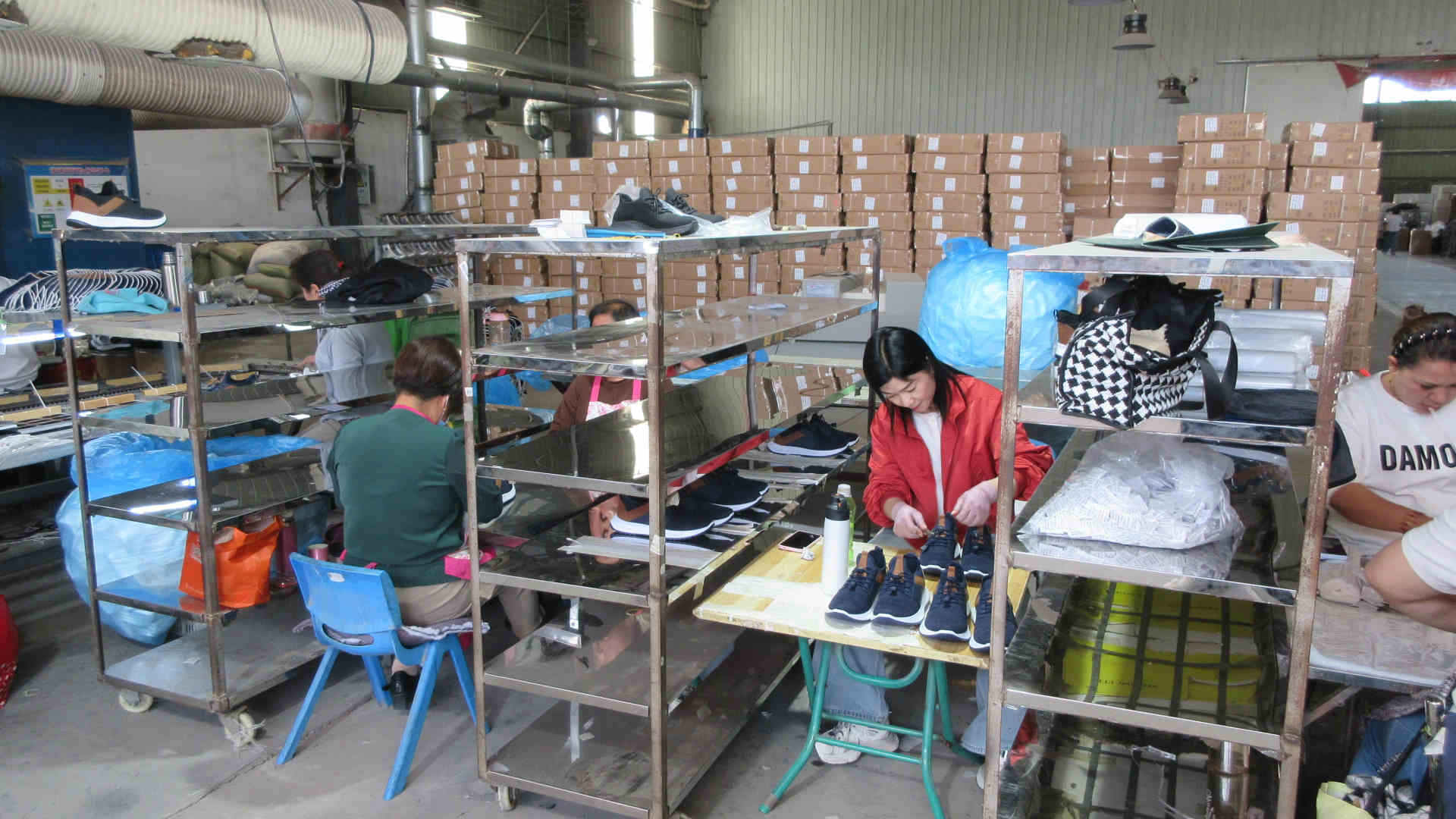
Quanzhou Orions Fashion Co., Ltd. is a professional manufacturer and exporter specializing in the design, development, production, and sales of footwear, apparel, and fashion accessories. Located in Quanzhou, Fujian Province—one of China's most renowned footwear and garment manufacturing hubs—the company has established a strong reputation for delivering high-quality products and reliable services to customers worldwide.
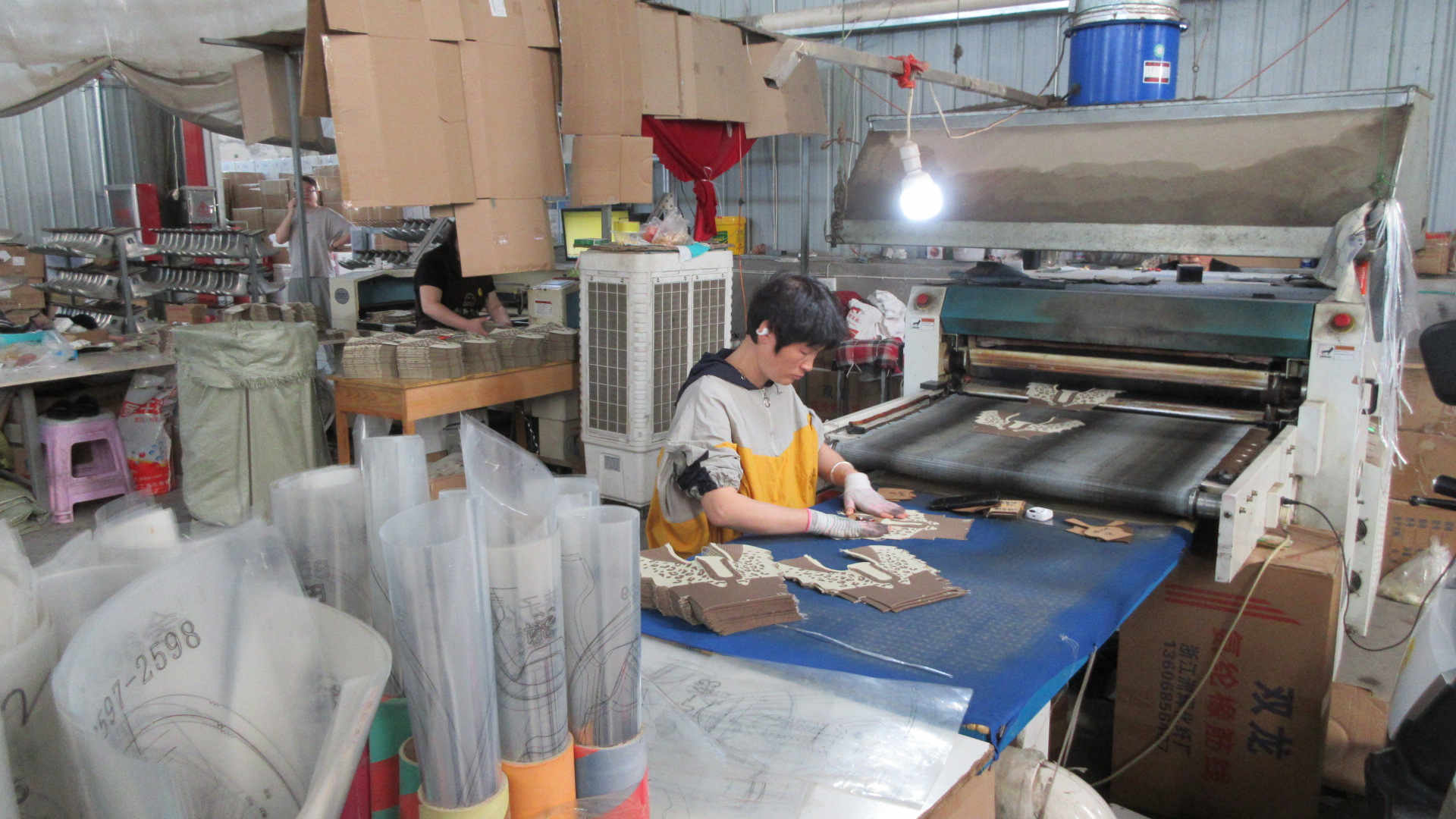
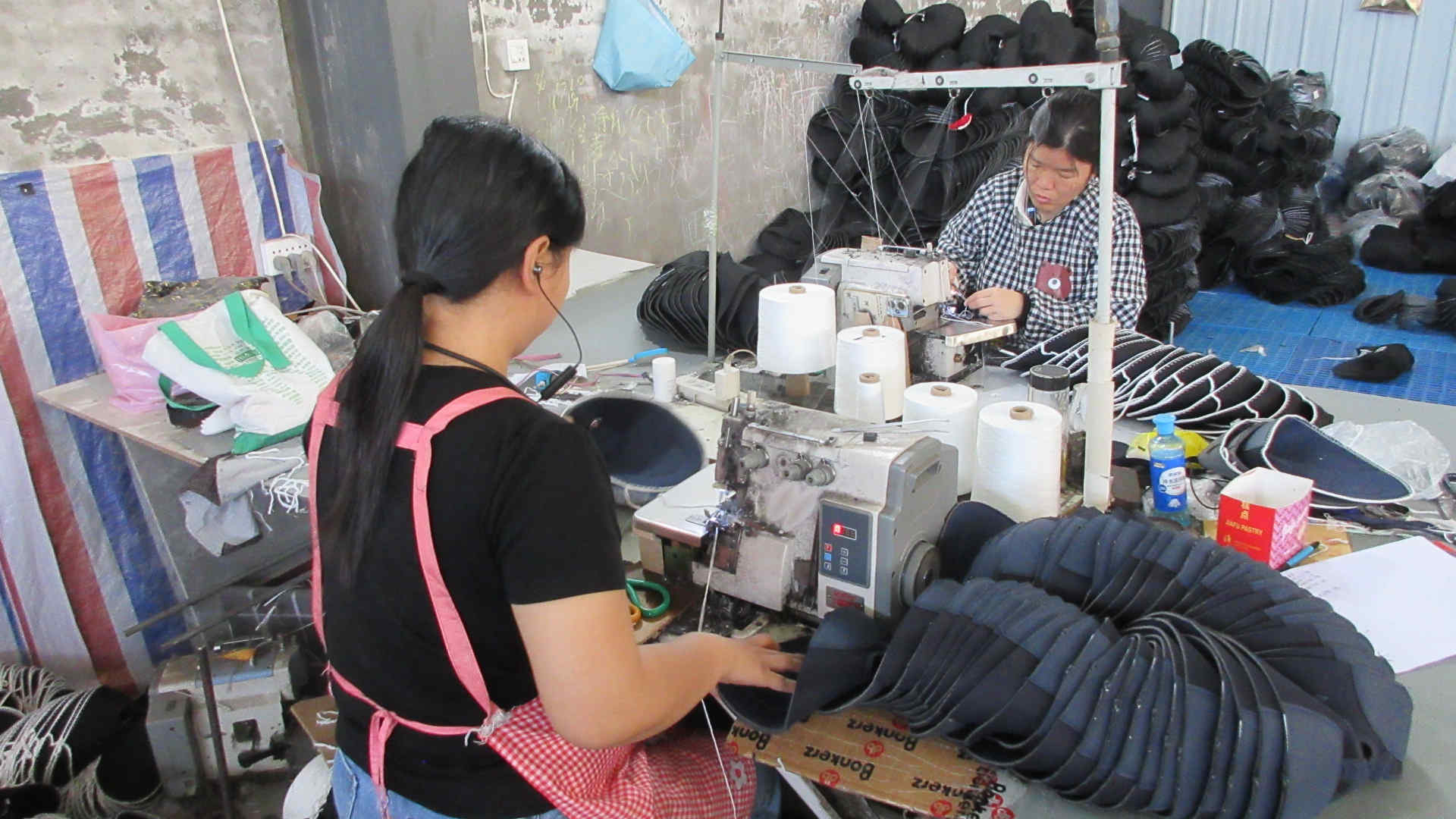
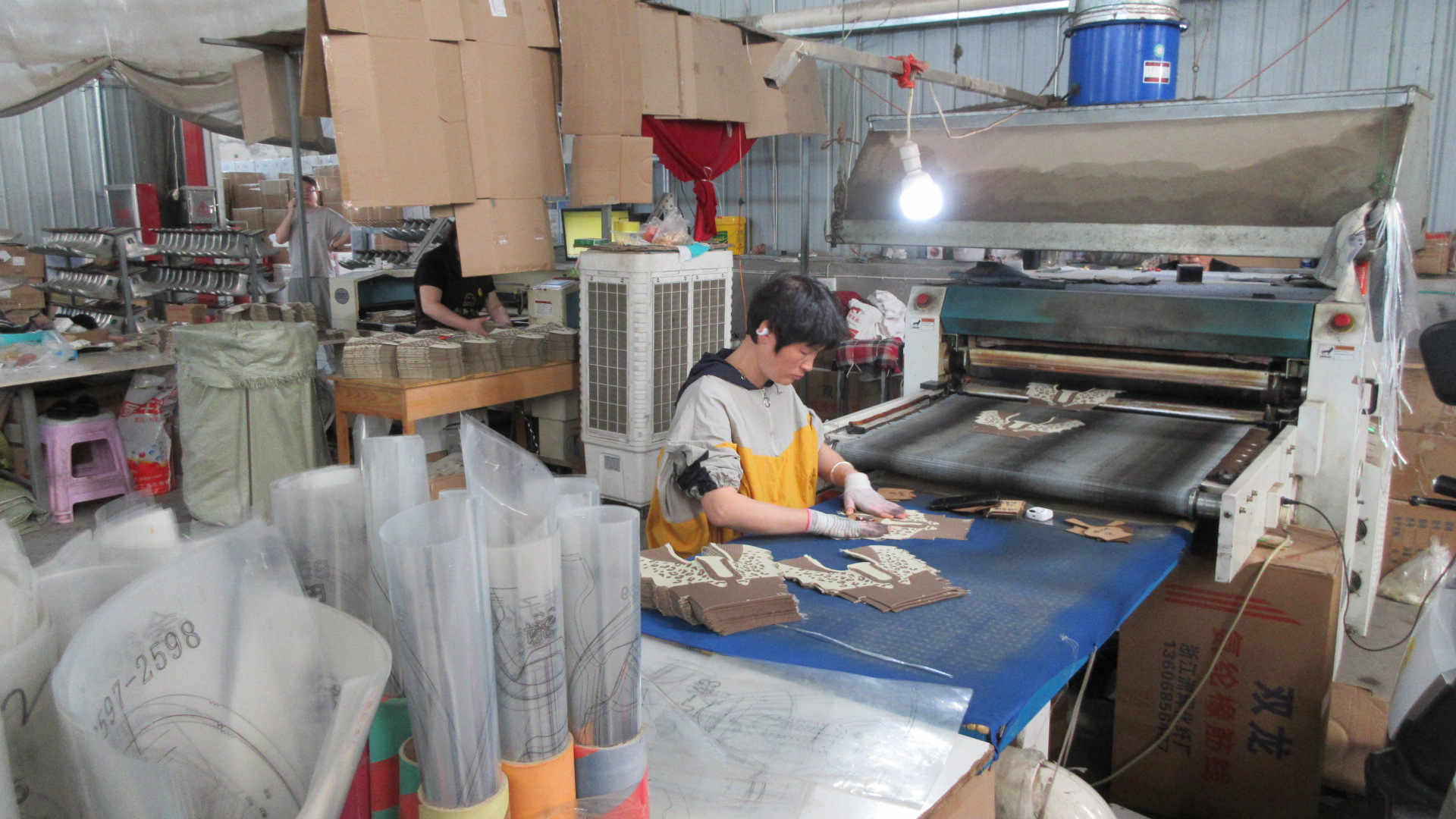
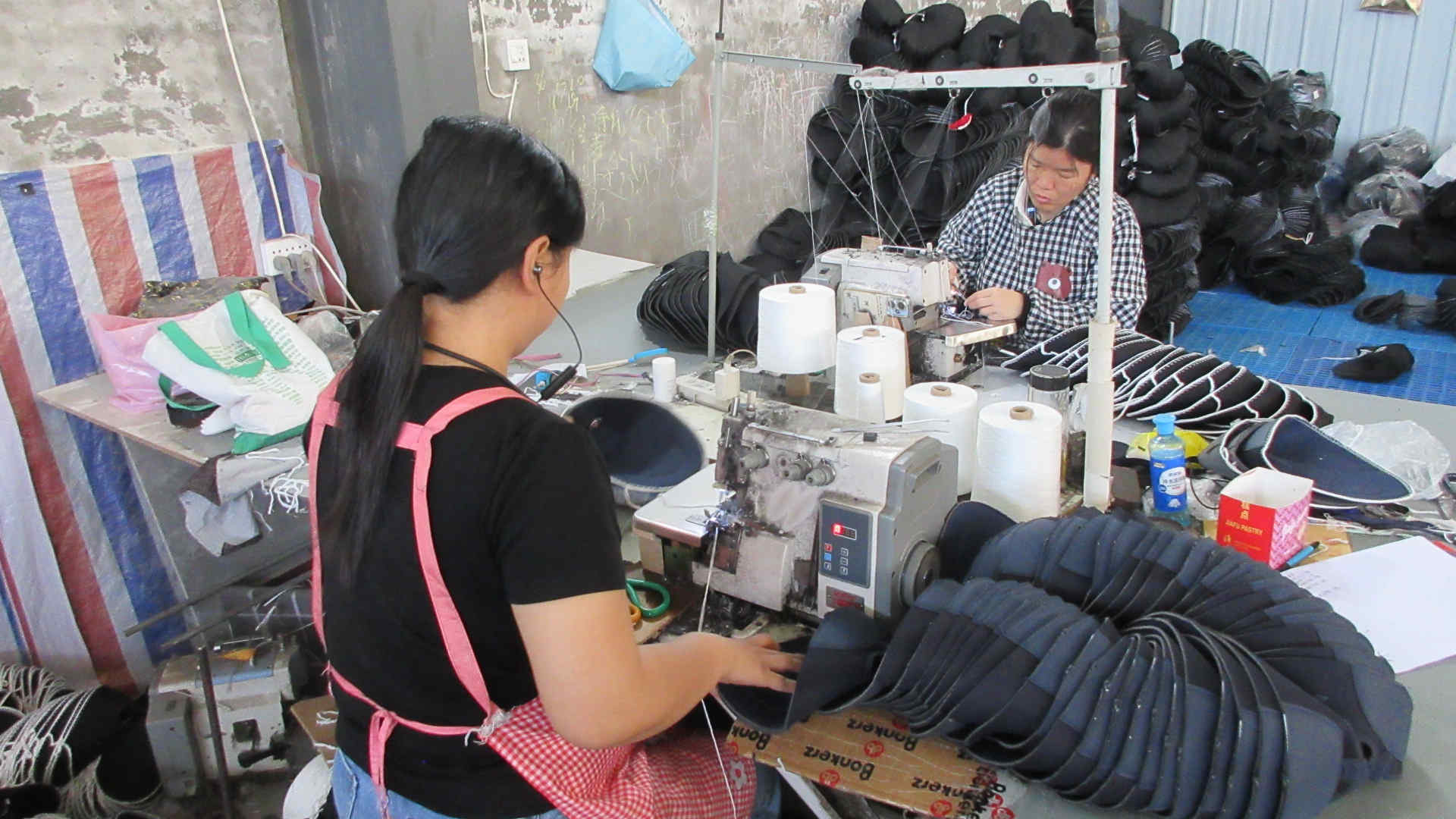
With years of industry experience, Orions Fashion has developed into a modern enterprise integrating product research and development, manufacturing, quality control, and international trade. The company is equipped with advanced production facilities, efficient management systems, and a highly skilled workforce dedicated to innovation, craftsmanship, and customer satisfaction.
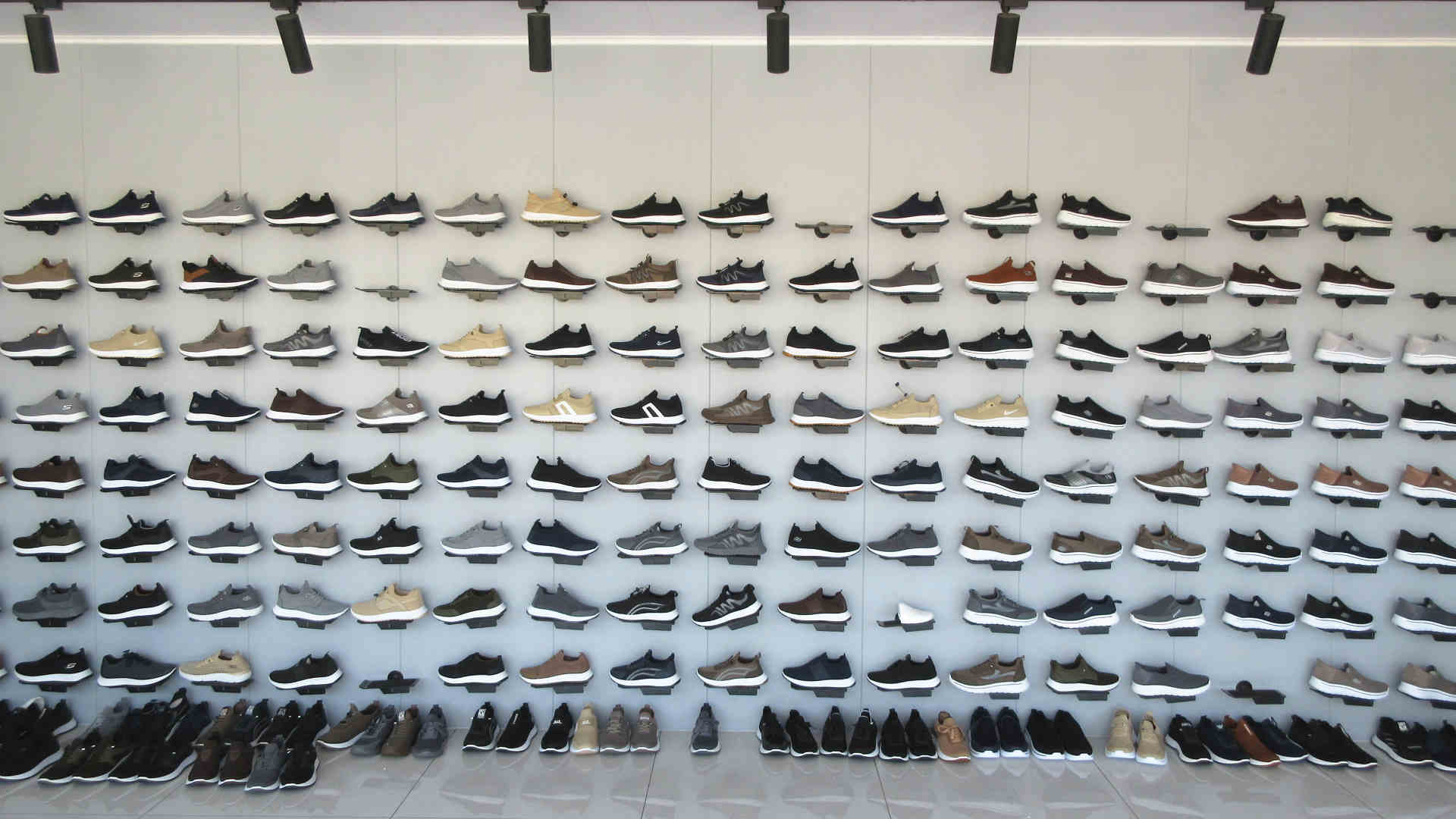
Our product portfolio includes sports shoes, casual shoes, outdoor footwear, children's footwear, fashion apparel, and various accessories, catering to diverse market demands across Europe, North America, South America, the Middle East, and Asia-Pacific regions. By combining contemporary design concepts with strict quality standards, we continuously provide products that meet international market requirements and consumer expectations.
Quality is at the core of everything we do. Orions Fashion implements comprehensive quality control procedures throughout the entire production process, from raw material sourcing to final inspection. The company works closely with trusted suppliers and manufacturing partners to ensure product consistency, durability, and compliance with international standards.
In addition to manufacturing excellence, Orions Fashion places great emphasis on sustainability, innovation, and long-term partnerships. We continuously improve our operational efficiency, environmental awareness, and product development capabilities to create greater value for our customers and business partners.
Expanding marine sports equipment distribution to regions like North America (USA, Canada) or the EU requires strict adherence to regional consumer safety laws. Wetsuits, water shoes, and training wear must comply with chemical regulations such as REACH in Europe and Proposition 65 in California. Products must be free from harmful levels of phthalates, heavy metals, and polycyclic aromatic hydrocarbons (PAHs), which are commonly found in low-grade rubbers.
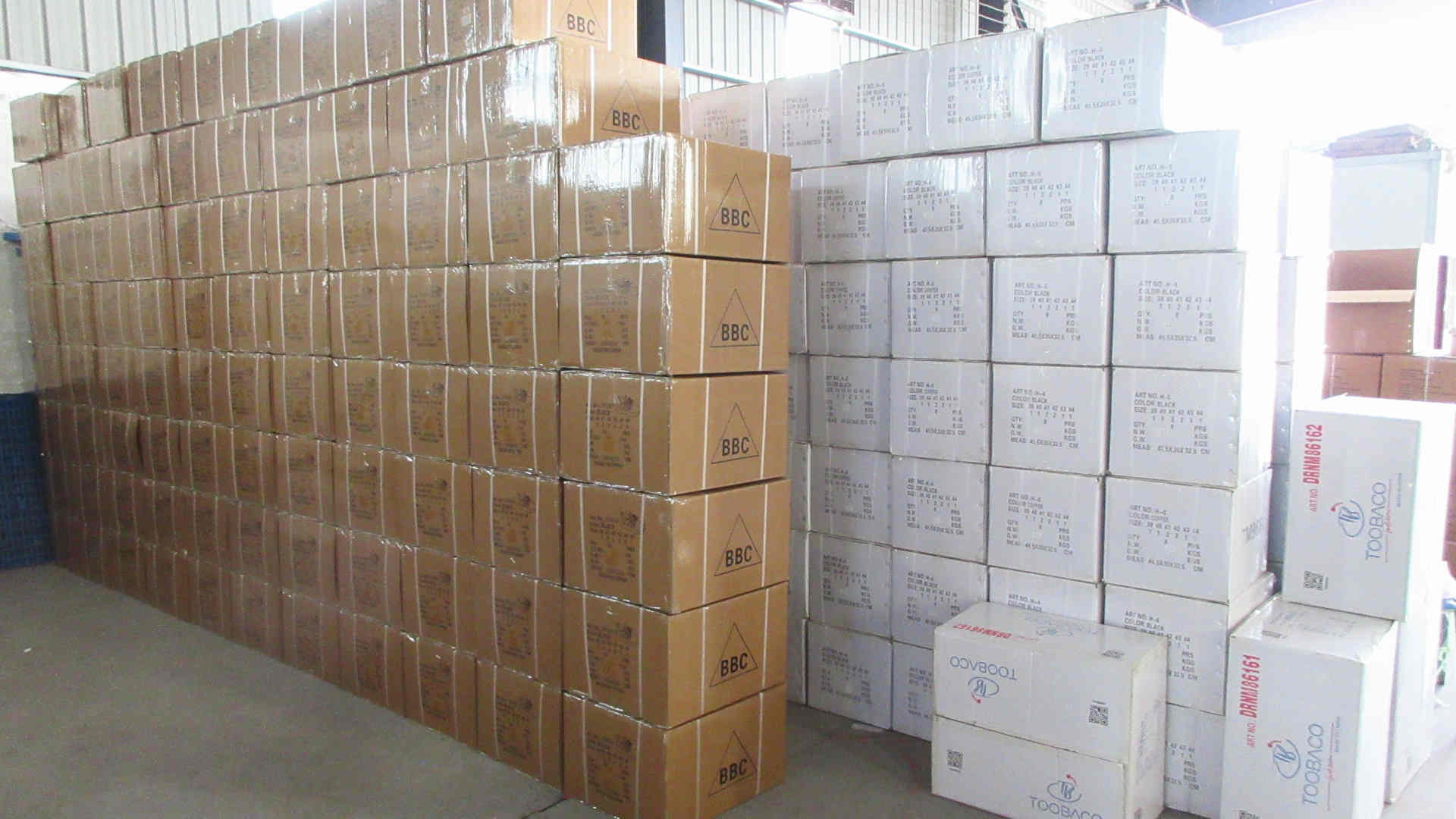
Quanzhou Orions Fashion ensures total compliance through rigorous raw material screening. The factory utilizes eco-friendly EVA, water-based adhesives, and non-toxic TPU, satisfying chemical restriction standards globally. Furthermore, we provide customizable DDP (Delivered Duty Paid) shipping solutions, simplifying customs clearance for B2B buyers and reducing the risks associated with ocean logistics.
The next decade of surfing and water sports equipment manufacturing is defined by three key trends: Decarbonization, Material Circularity, and Additive Manufacturing (3D Printing).
Traditional neoprene is derived from petroleum, but industry leaders are rapidly shifting to limestone-based neoprene and plant-based alternatives like Yulex. In footwear and accessory manufacturing, the future lies in zero-waste production. Using digital 3D knitting technology, upper components can be knit directly to shape, eliminating the cutting scrap typical of traditional manufacturing. Additionally, hot stamping and PU injection lines are being upgraded to run bio-sourced polymers derived from castor oil, reducing reliance on fossil fuels without compromising durability.
Critical insights for global sourcing managers, distributors, and retail category leads.
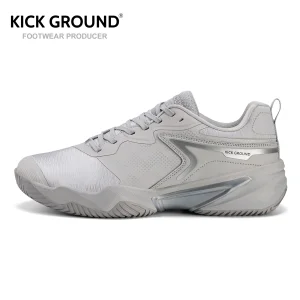
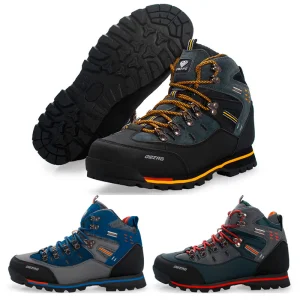
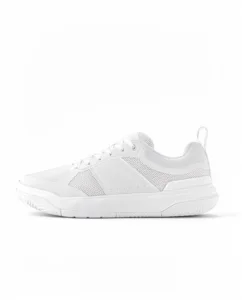
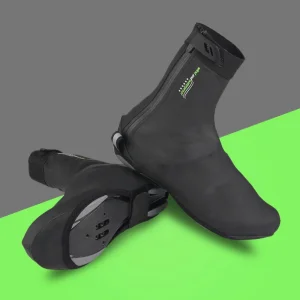
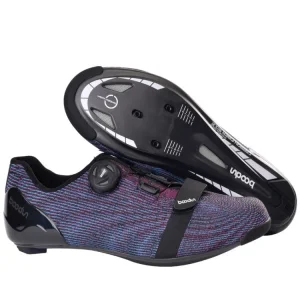
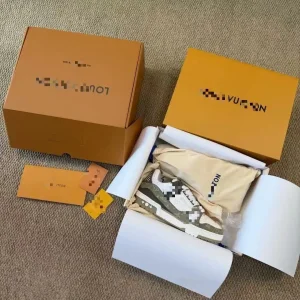
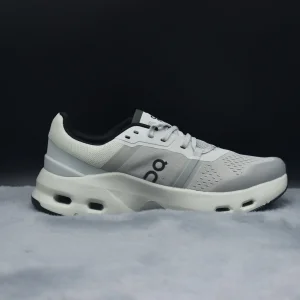
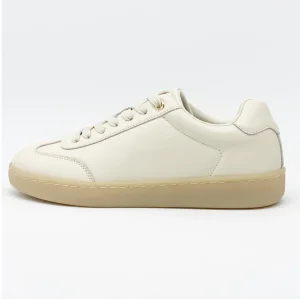
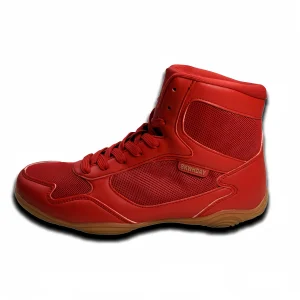
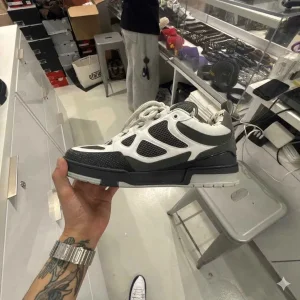
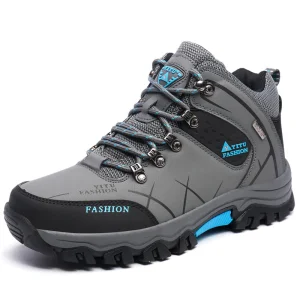
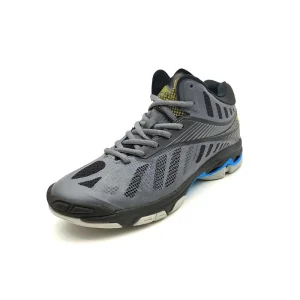
Explore additional high-durability products engineered for multi-terrain athletic training and outdoor sports.