Orions Fashion
Orions Fashion
Orions Fashion
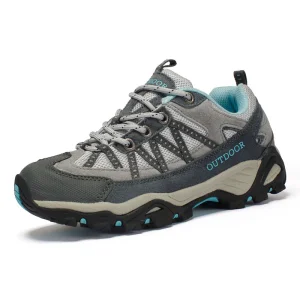
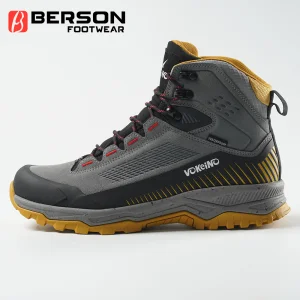
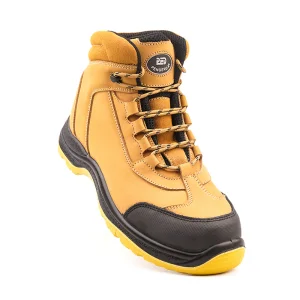
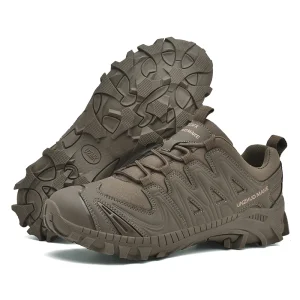
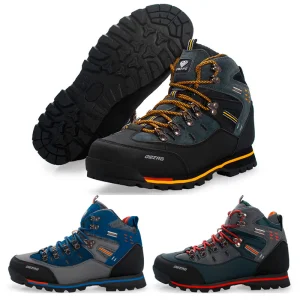
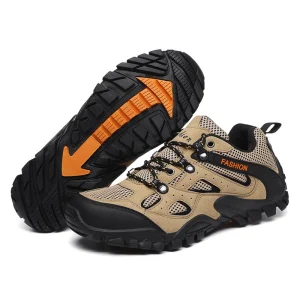
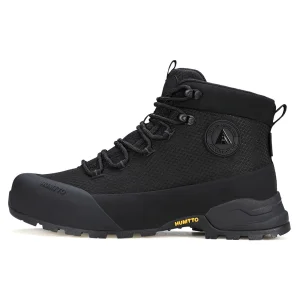
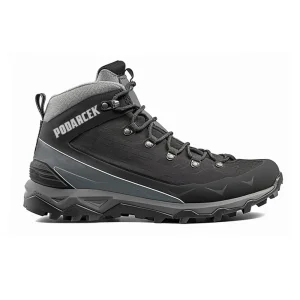
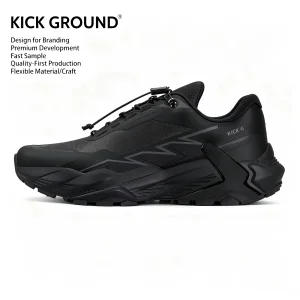
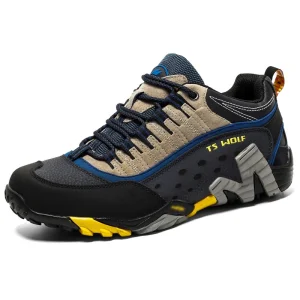
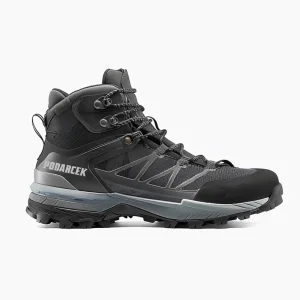
Engineered for stability, extreme slip resistance, and dynamic breathability, optimized for demanding Japanese trail conditions.
The outdoor footwear sector in Japan is experiencing a major structural shift. Traditionally dominated by heavy mountaineering boots, the modern Japanese consumer now demands lightweight, hybrid, and "Yama-Style" (mountain fashion) trail footwear. Driven by the demographic integration of younger hikers (the "Yama-Girl" trend) and the massive popularity of trails like the Kumano Kodo and the Japanese Alps, technical requirements have drastically evolved.
For global footwear importers and retail brands entering or expanding within Japan, local trail specifications are absolute. Japan’s mountain environments are unique. They are characterized by highly volcanic, scree-heavy slopes, damp forested floor boards, and steep granite rocks. Standard outsoles fail on damp volcanic moss, prompting an unprecedented demand for specialized, high-grip rubber compounds with deep, mud-shedding lug patterns.
Additionally, Japanese sizing (JIS standards) requires distinct anatomical focus. Consumers in Japan typically exhibit a wider forefoot profile (often requiring 3E or 4E widths). A Western standard boot mold will cause pressure points and blisters, resulting in immediate failure in the discerning Japanese market. Our manufacturing facilities are equipped to adjust and engineer custom footbed molds (lasts) optimized for Asian anatomical profiles, ensuring seamless market entry and consumer satisfaction.
Combining the absolute precision required by Japanese brands with the world's most efficient footwear supply chain cluster.
Based in Quanzhou, Fujian Province—the world-renowned footwear capital—Quanzhou Orions Fashion Co., Ltd. serves as a direct bridge between massive raw material economies of scale and high-precision international standards. Unlike localized micro-factories in Japan that face climbing labor costs and supply constraints, our integrated factory layout delivers significant structural benefits:
Through vertical integration, we source technical components (polyester yarns, TPU films, rubber raw materials, and waterproof membranes) directly from raw chemical plants. This localized clustering dramatically reduces lead times and logistics costs. Coupled with advanced PU direct injection molding machines and automated flyknit setups, our production lines achieve output efficiency ratings up to 40% higher than traditional assembly-line setups, while maintaining strict adherence to Japanese Quality Assurance protocols.
Transparency is key to trust. Below is our fully audited manufacturing sequence, detailing how each pair of hiking shoes is forged to perfection.
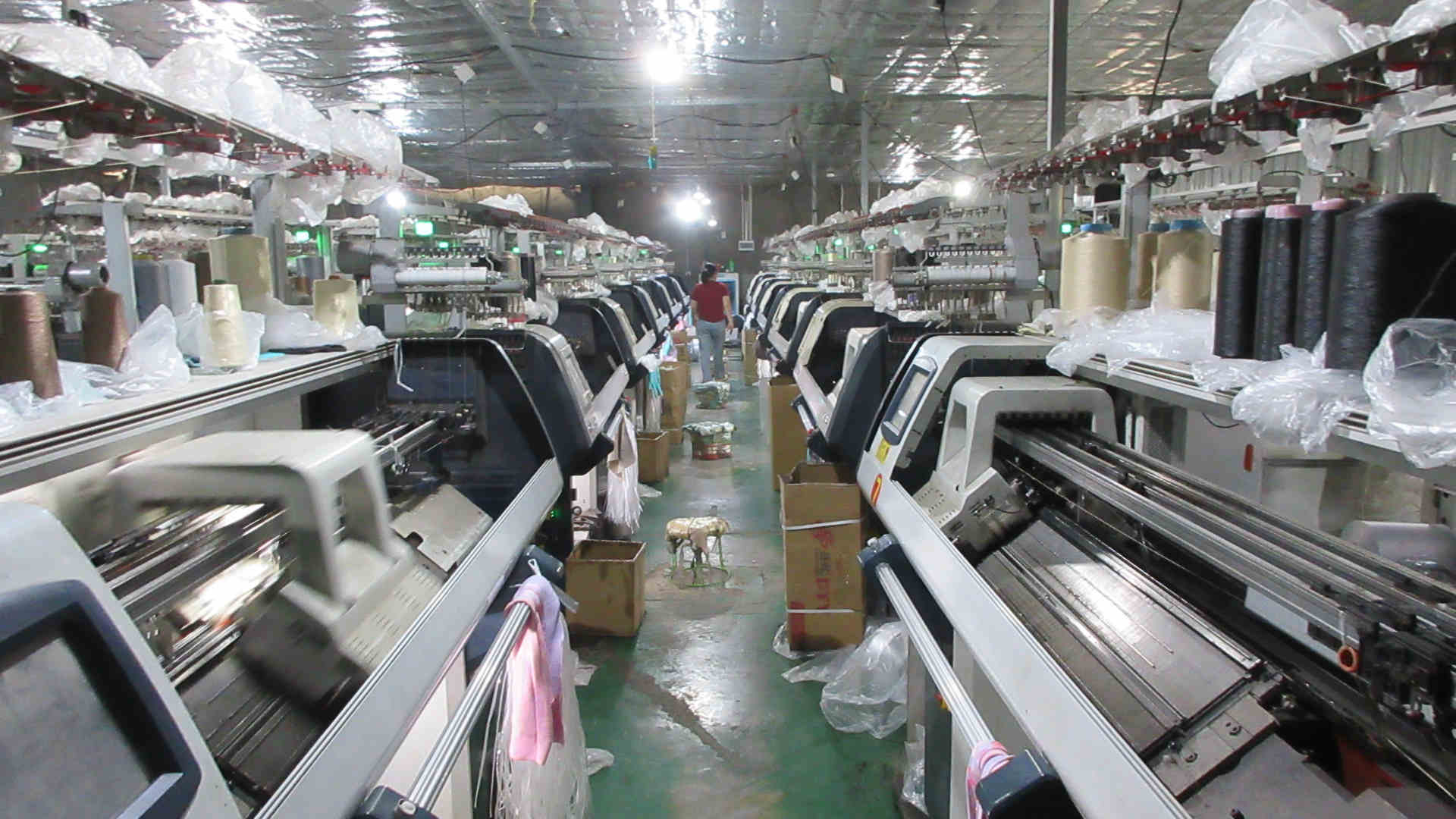
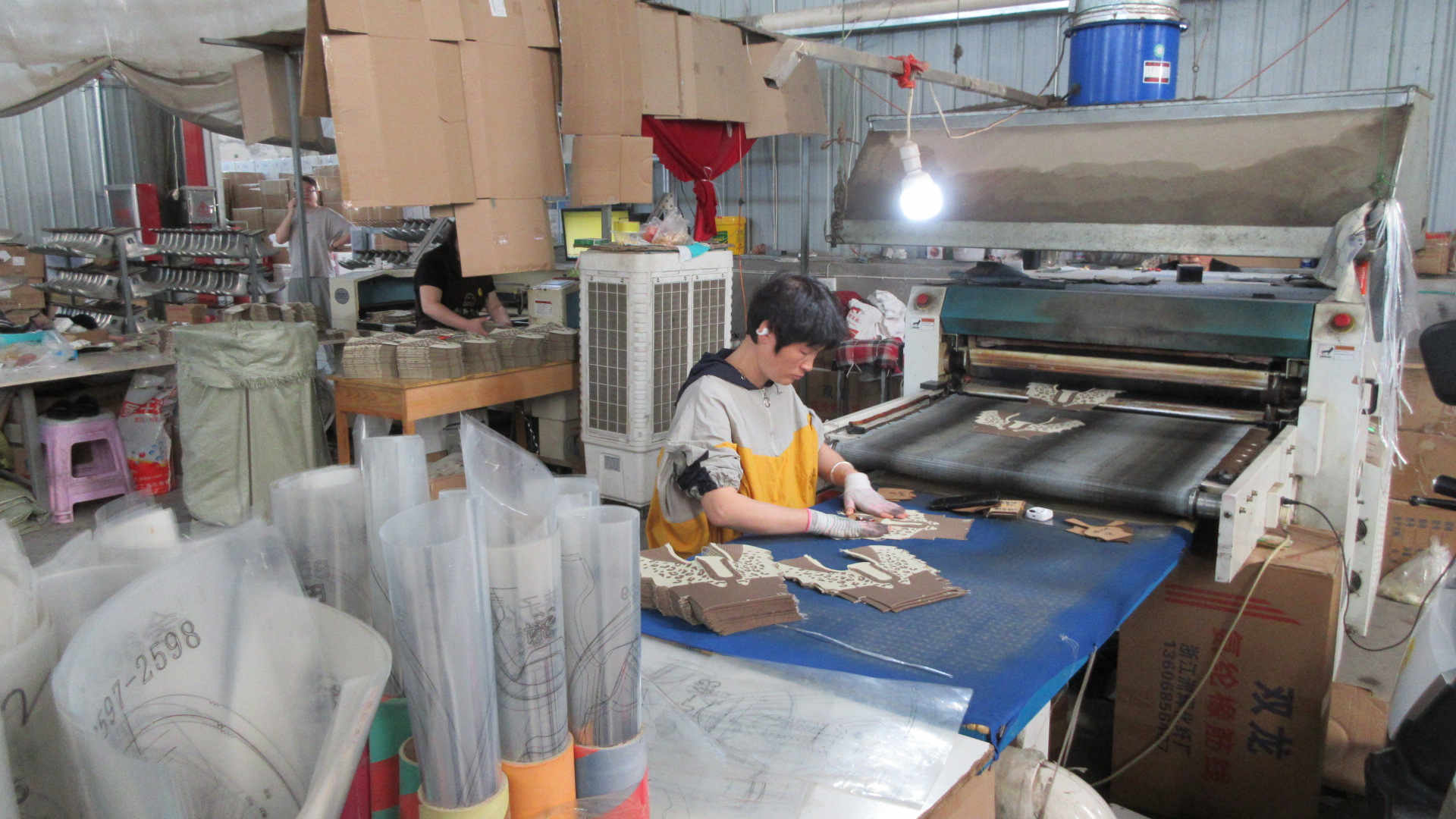
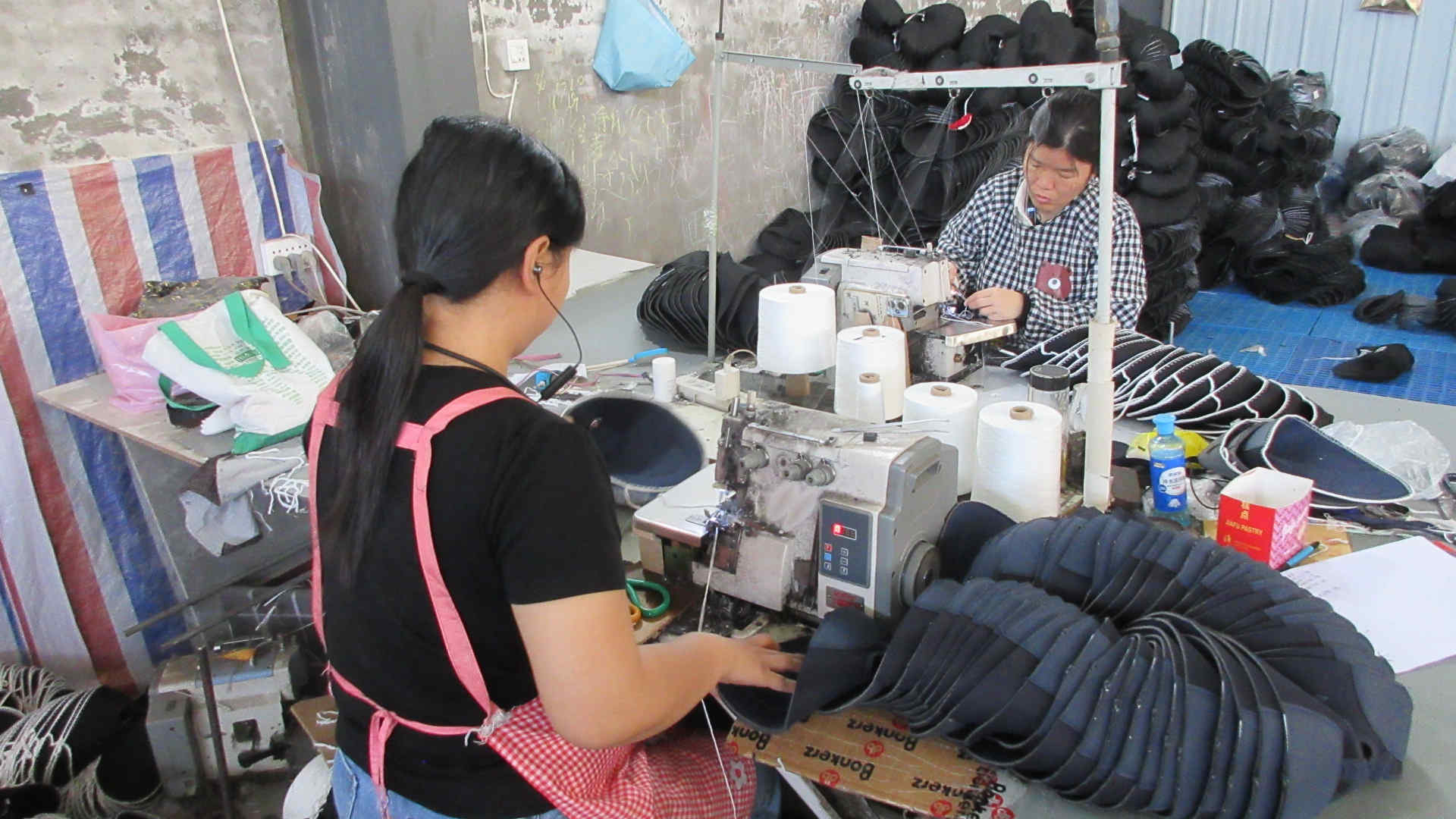
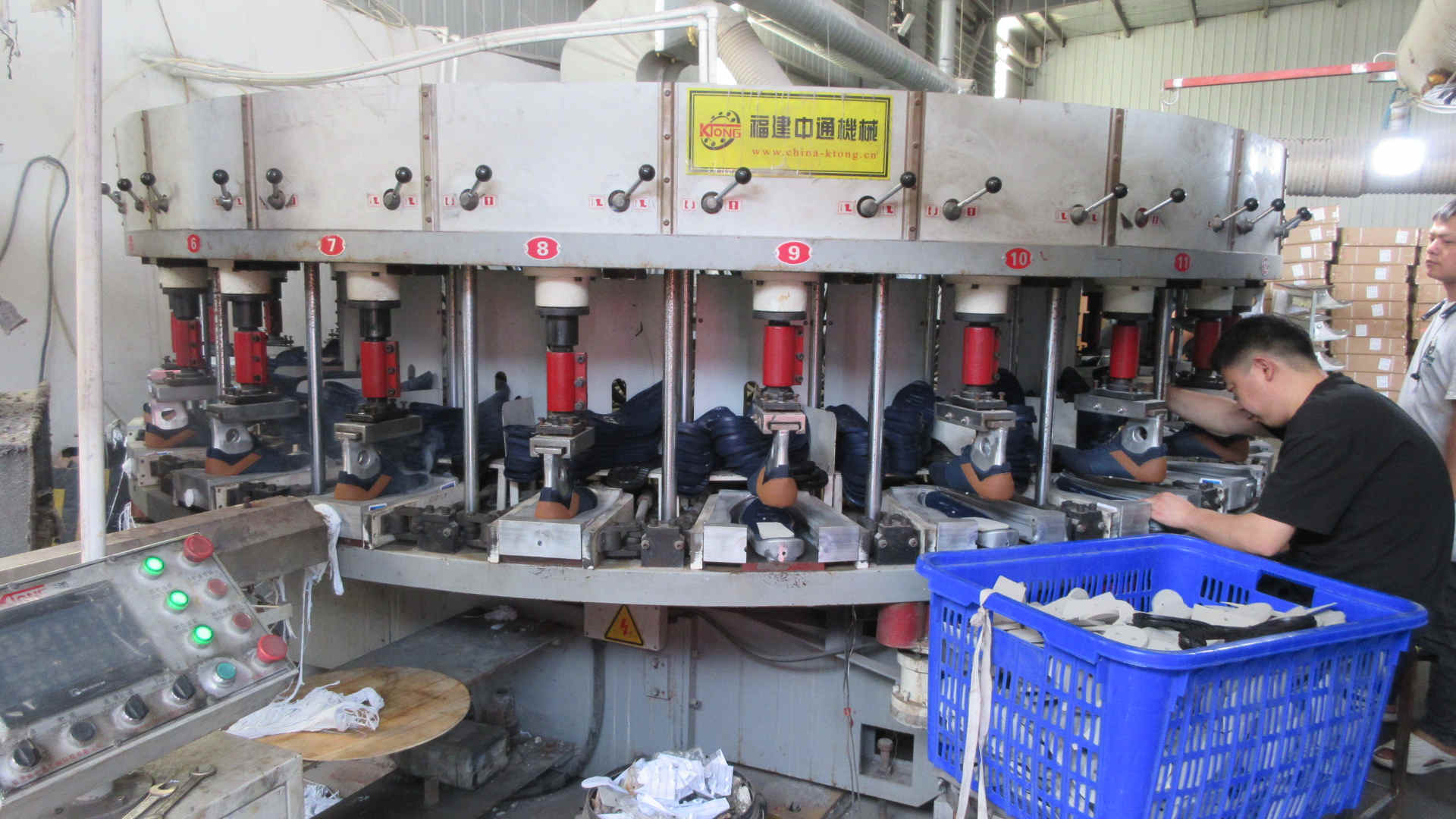
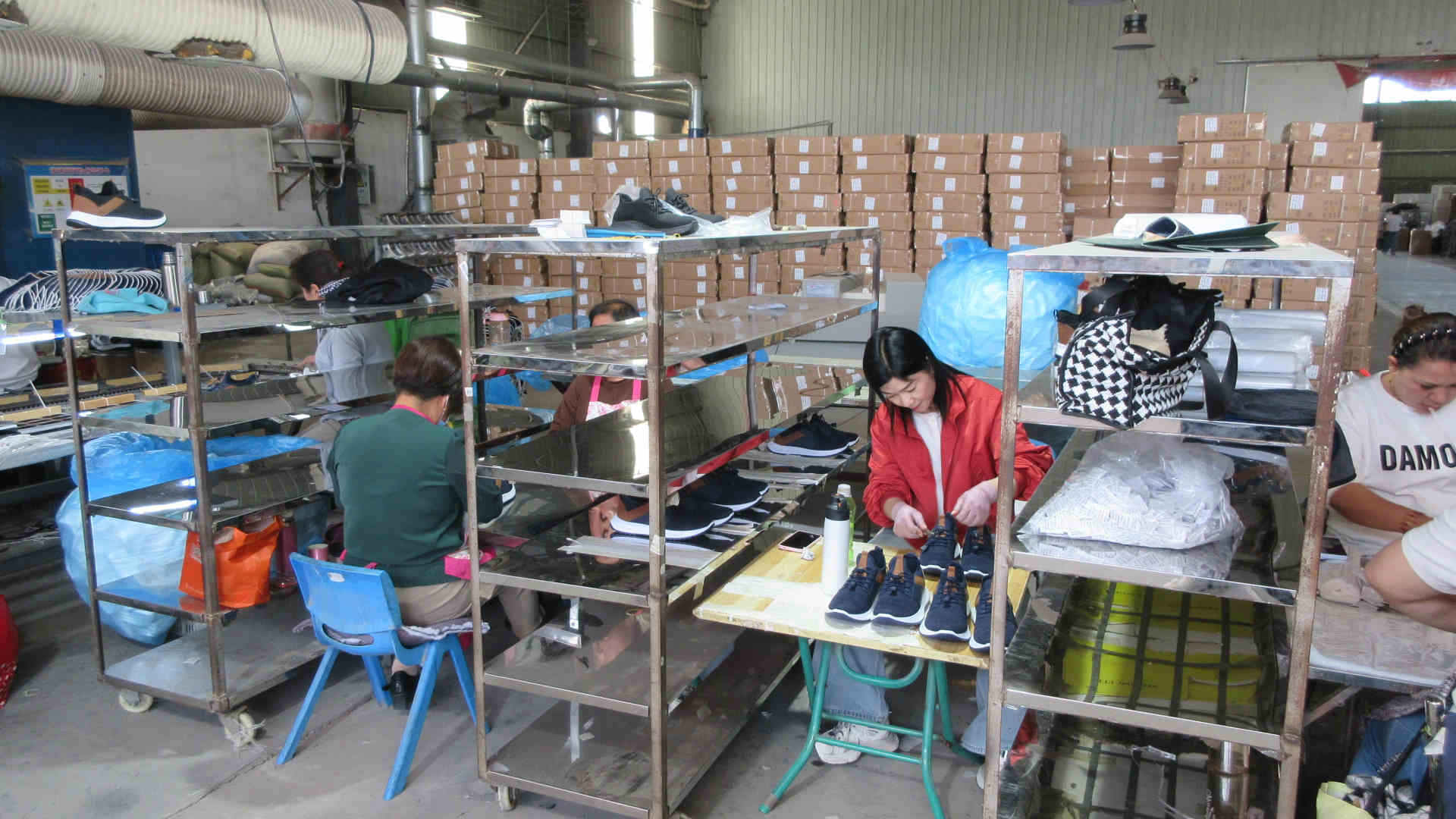
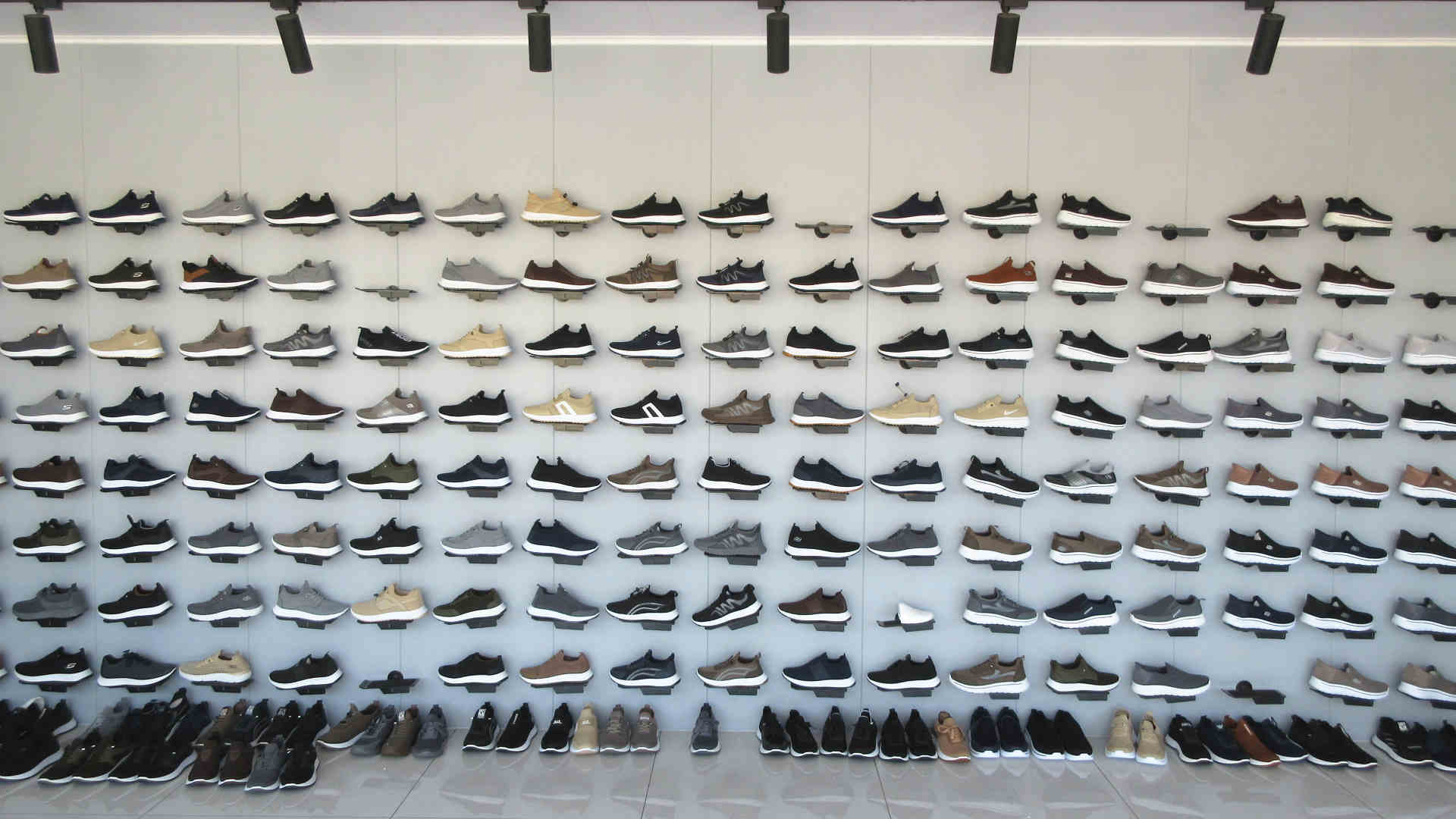
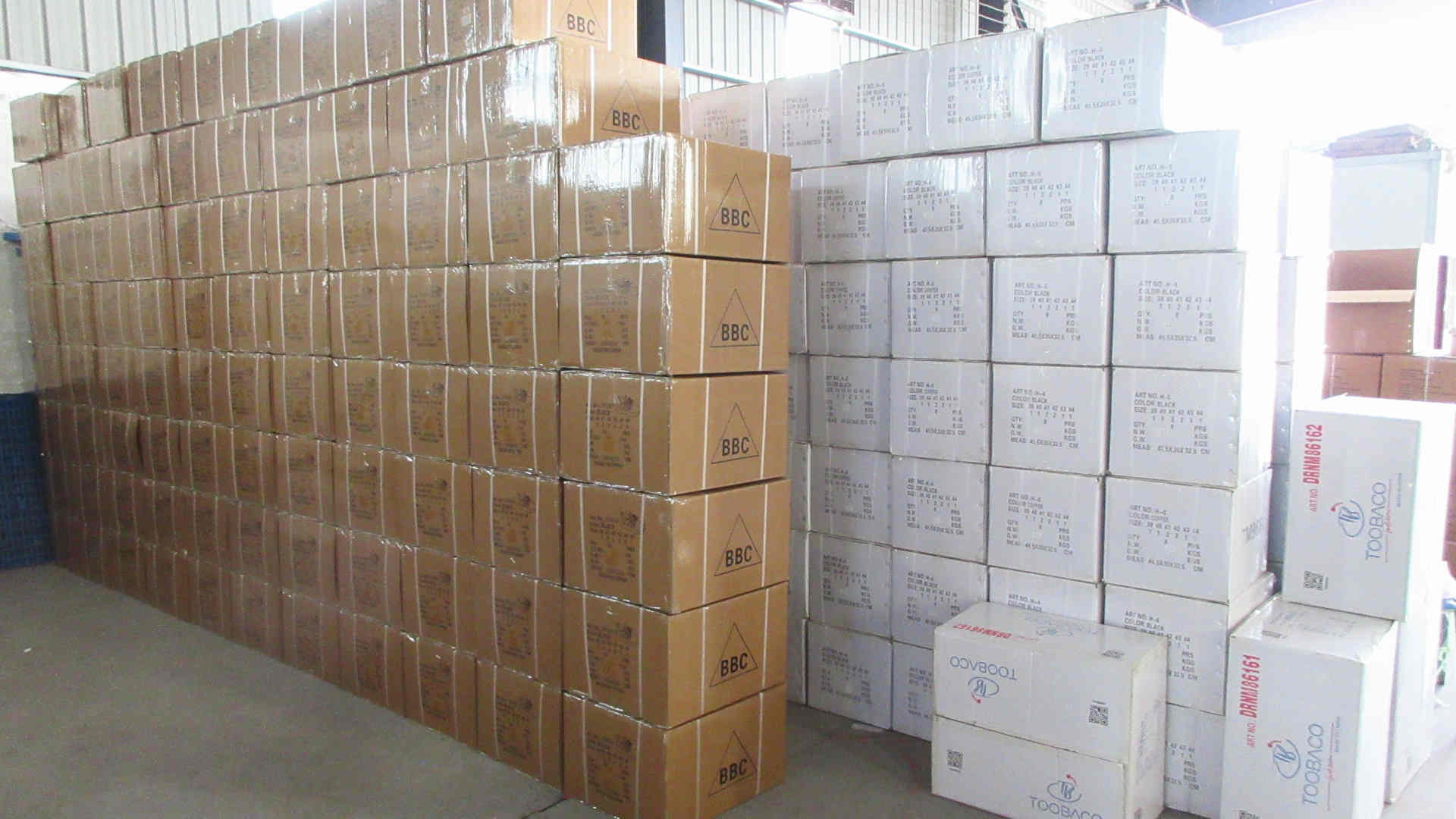
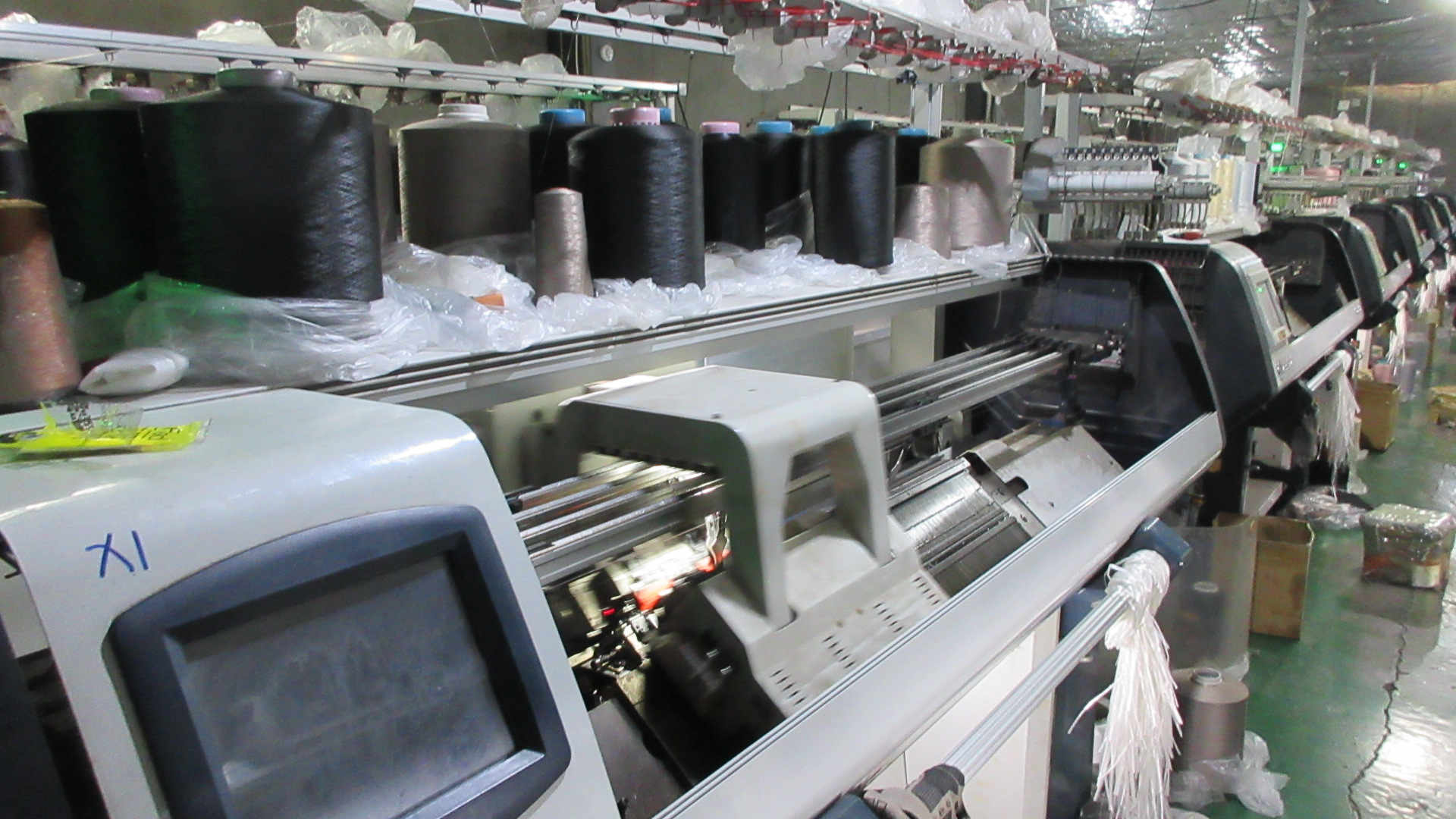
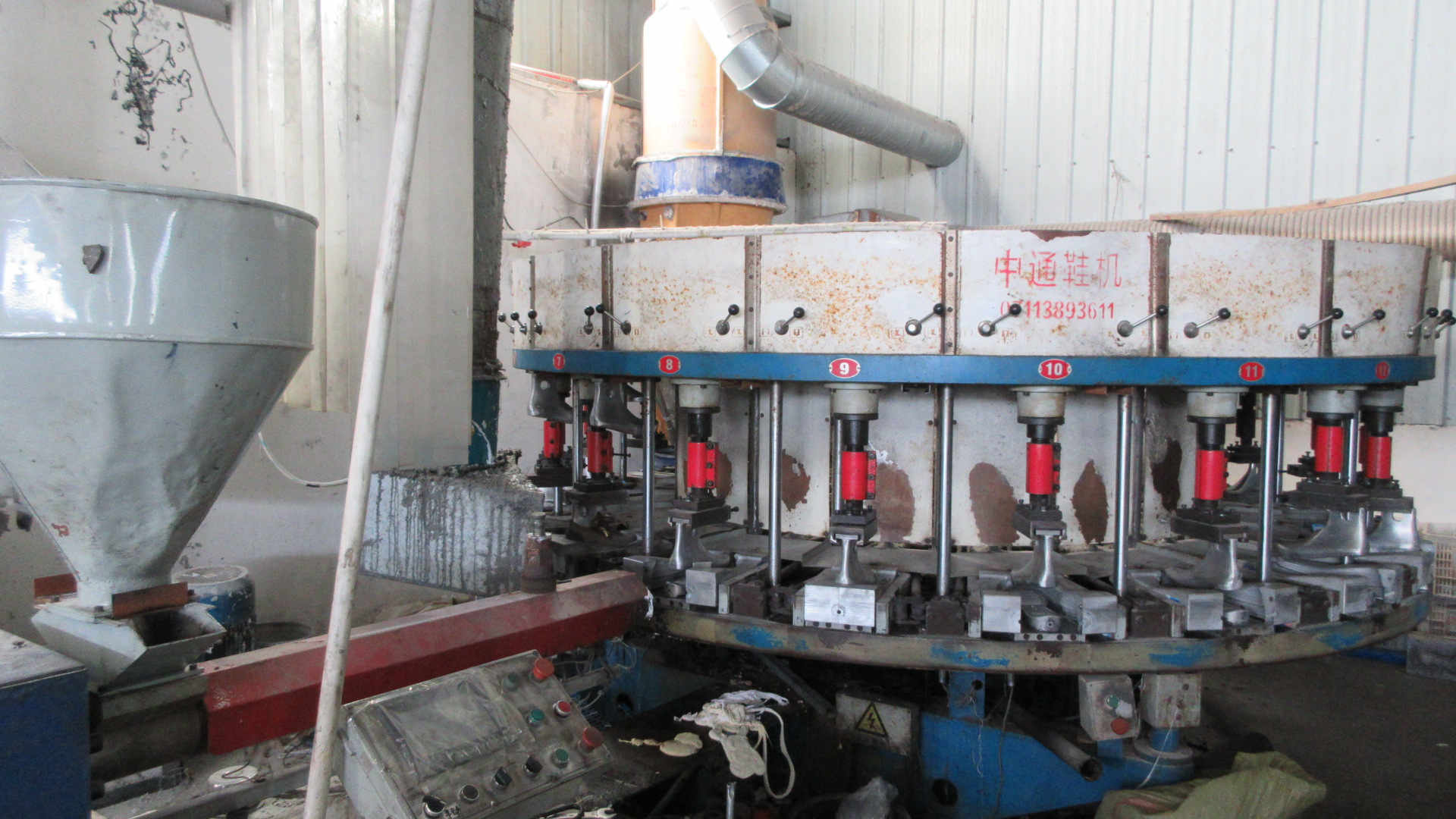
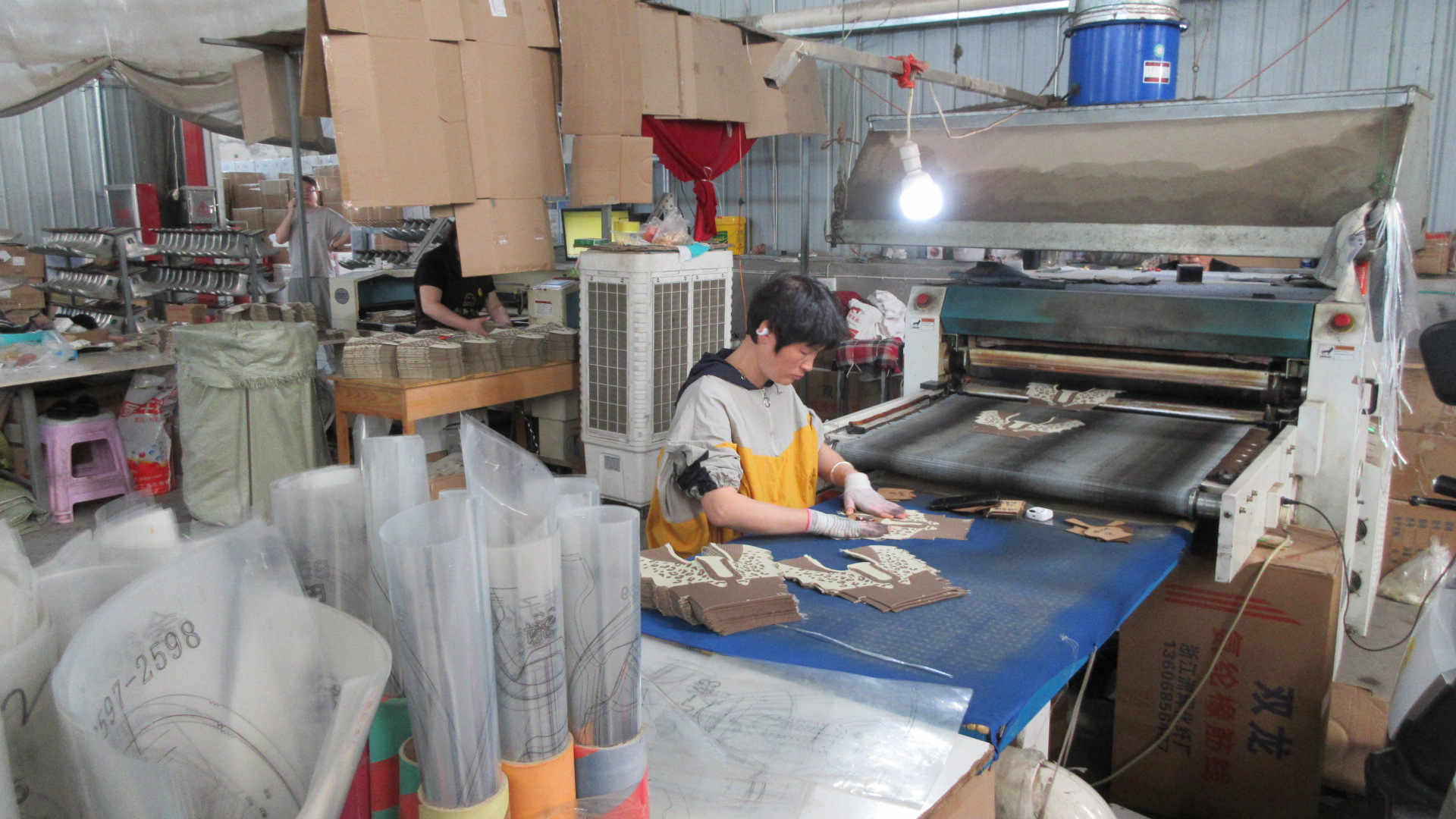
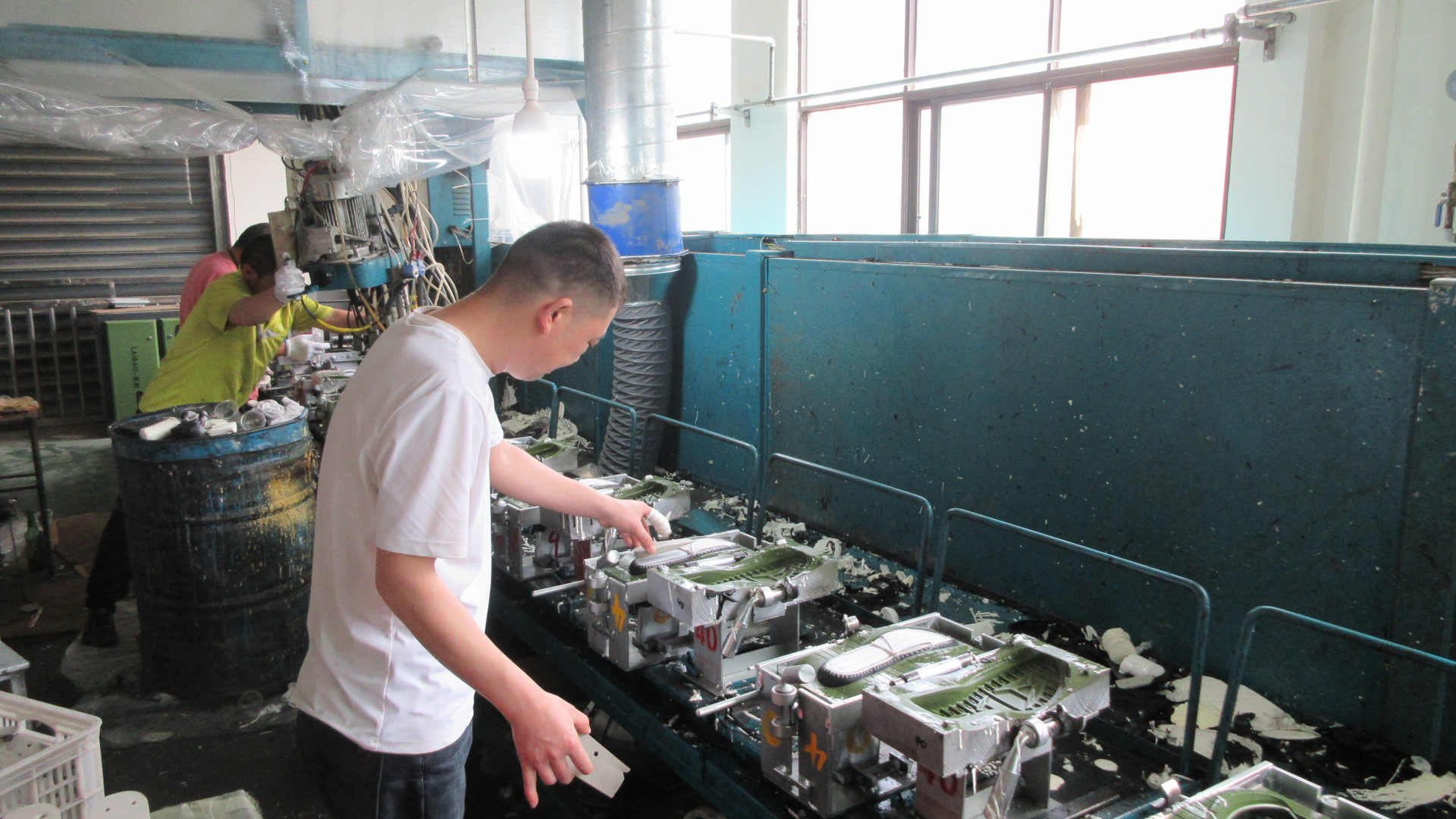
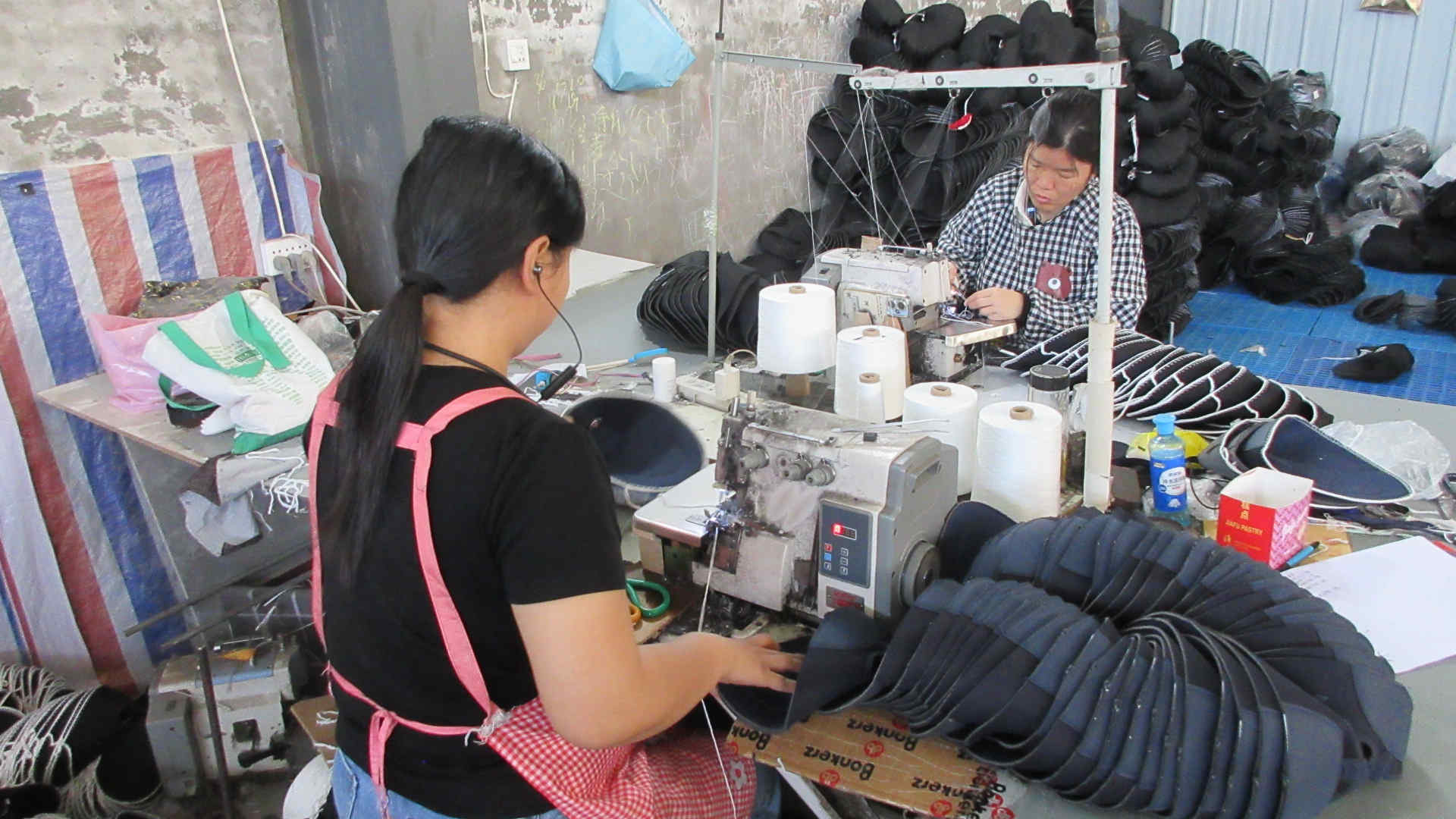
To capture market share in Japan, outdoor shoes must fit distinct usage scenarios. We customize outer compounds and mid-sole rebound rates based on these primary applications:
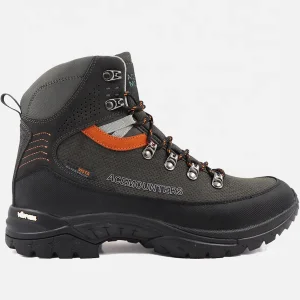
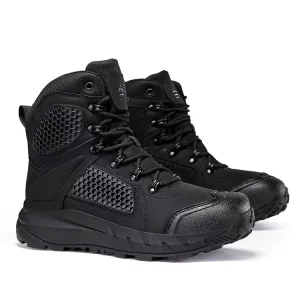
Descending Mt. Fuji exposes footwear to deep volcanic ash and sharp gravel (scree). High-cut uppers with integrated dust-gaiter collars and abrasion-resistant TPU side bumpers are mandatory to prevent dust ingress and sidewall damage.
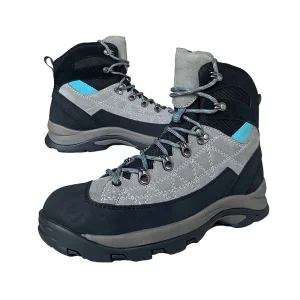
Ancient paved stone roads are notoriously slick when wet. Under these conditions, a specialized rubber outsole compound with micro-texture siping is critical to prevent slips on stone steps, paired with a resilient, shock-absorbing EVA midsole.
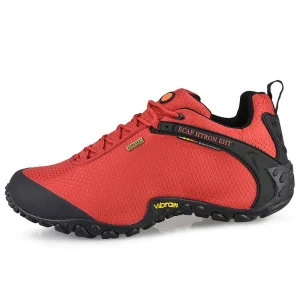
For Tokyo commuters navigating from Shibuya to the weekend trails of Mt. Takao. These designs require earthy, fashionable color palettes (olive, sand, mustard) combined with high-grade waterproof fabrics and lightweight comfort construction.
Quanzhou Orions Fashion operates as an OEM/ODM partner. We offer rapid design iterations based on your regional requirements. From raw leather selection to flyknit patterns, our internal QA processes align directly with JIS (Japanese Industrial Standards). This ensures that every shipment arriving at Yokohama or Osaka ports passes Customs clearance quickly and eliminates the risk of store returns.
Key information regarding materials, standards, supply logistics, and customizations for the Japanese footwear market.
We implement a dual-layer waterproof validation process. First, our inner membrane liners undergo a centrifuge immersion test to guarantee zero seam leakage. Once the shoe is constructed, we perform a 50,000-cycle dynamic flex immersion test (equivalent to over 100 kilometers of walking in water) to ensure that the outer materials, adhesives, and inner membranes perform flawlessly without cracking or leaking.
Yes, we have a comprehensive library of specialized anatomical footwear lasts. We have developed and refined these lasts specifically to match the wider midfoot and forefoot structures typical of East Asian populations. We can modify existing molds or develop new aluminum lasts according to your detailed CAD profiles.
In alignment with Japan's strict commitment to the SDGs (Sustainable Development Goals), we offer a range of eco-conscious materials. These include GRS-certified recycled polyester flyknit yarns, water-based adhesives with zero volatile organic compounds (VOCs), and bio-based EVA/PU midsoles. All chemical compounds used are fully compliant with REACH and Japanese Ministry of Health regulations.
For custom ODM/OEM designs, our standard MOQ starts at 800 to 1,200 pairs per colorway, depending on material complexity. Prototype development takes approximately 7 to 15 working days. Once the pre-production sample is approved, the standard manufacturing lead time is 35 to 45 days.
We maintain an on-site testing facility. Here, we conduct continuous material validation, including flexing resistance, outsole abrasion index (using DIN abrasion testers), and upper tear strength. We welcome third-party inspectors (such as SGS, Intertek, or your local QA team) to conduct audits at our facility prior to shipment container loading.
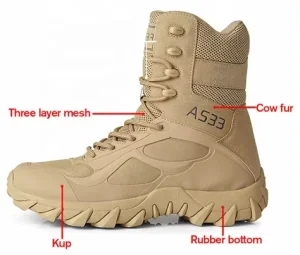
Explore our complete catalog of specialized outdoor, alpine, and tactical footwear engineered for durability and reliable traction.
Elevate your outdoor footwear brand. Speak to our production engineers today to discuss custom tooling, fabric specs, and pricing structures tailored for the Japanese market.
Send Inquiry Now